-
Whatsapp: +86 15516933785
-
Email: hanlin@hanlinplayground.com
-
Address: Shangjie District, Zhengzhou City, Henan Province, China
-
Whatsapp: +86 15516933785
-
Email: hanlin@hanlinplayground.com
-
Address: Shangjie District, Zhengzhou City, Henan Province, China


Soft Indoor Playground Equipment Buying Guide: How to Identify Quality and Safety Standards
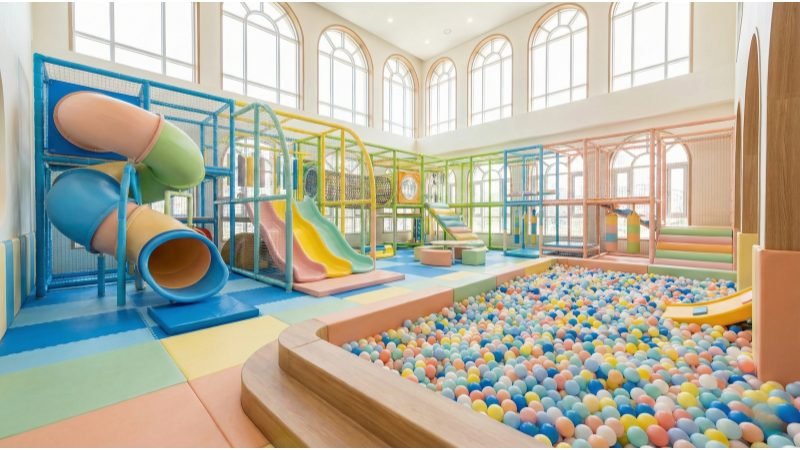
How can business owners effectively distinguish between high-quality, safe indoor playground equipment and inferior products that pose liability risks?
To ensure safety and quality, buyers must verify compliance with ASTM F1918 or EN 1176 standards through valid TUV/SGS reports. Physically, high-quality equipment features hot-dip galvanized steel pipes with a minimum 2.5mm wall thickness, high-density EPE foam (≥30kg/m³), and 0.55mm PVC vinyl reinforced with 1000D nylon. Operators should also inspect for cast iron connectors, double-stitched seams, and lead-free, fire-retardant materials to guarantee long-term durability.
Crucial Global Safety Standards and Certifications
What are the specific safety regulations that indoor playground equipment must legally meet to operate in major international markets?
To ensure compliance and minimize liability, indoor playground equipment must adhere to ASTM F1918 standards for North American markets or EN 1176 and EN 1177 series for European regions. Business owners must validate these standards by reviewing current, product-specific test reports from accredited third-party organizations like TUV SUD or SGS, ensuring the certification applies to the complete structural system rather than just individual raw materials.
Understanding ASTM F1918 for North American Markets
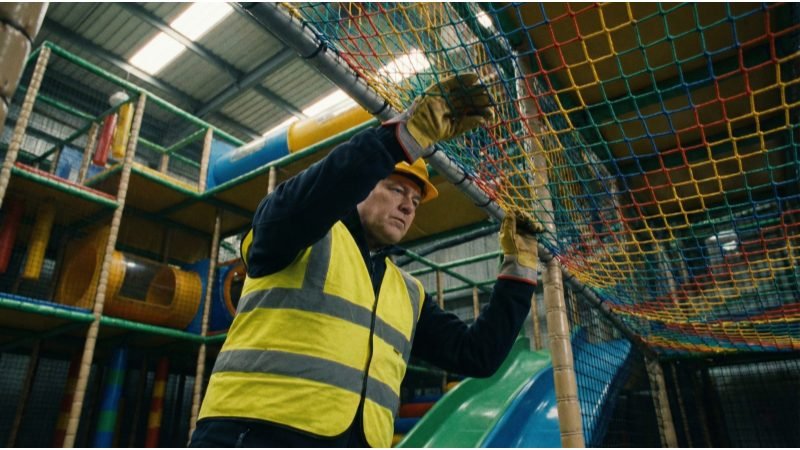
If you plan to open a play center in the United States or Canada, ASTM F1918 is your primary rulebook. Unlike general playground standards that cover outdoor swings and slides, ASTM F1918 is written specifically for “Soft Contained Play Systems.” This refers to the grid-like, padded structures where children are enclosed within the equipment.
This standard focuses heavily on evacuation and accessibility. Because children are contained inside a structure, often multiple levels high, the standard requires specific pathways for adults to enter and rescue a child if necessary.
Key components of ASTM F1918 include:
- Vertical Barriers: The standard dictates that netting or panels must be strong enough to stop a falling child. It prevents them from falling out of the “container.”
- No Footholds: The barrier walls must not have holes or gaps that a child could use as a ladder to climb over the top.
- Flammability: All soft materials, including foam and vinyl, must pass specific fire resistance tests.
Think of this standard like the fire evacuation plan for a building. Just as a commercial building needs clearly marked exits and unblocked hallways, a soft playground needs engineered rescue paths and fire-resistant materials to be legal. Always confirm that your specific custom designs layout complies with these access rules, as custom designs can sometimes accidentally violate evacuation protocols.
Navigating EN 1176 and EN 1177 for European Compliance
For operators in Europe and many parts of Asia and the Middle East, the safety benchmarks are the EN 1176 and EN 1177 standards. It is vital to understand that these are two separate but related requirements.
EN 1176: The Equipment Standard
This covers the structure itself. It regulates the size of gaps to prevent head, finger, and toggle entrapment. For example, if a slide has a gap between the side rail and the sliding bed, EN 1176 specifies the exact millimeter limit of that gap so a child’s clothing drawstrings do not get caught.
EN 1177: The Surfacing Standard
This focuses entirely on the floor. It measures “Impact Attenuation,” or how well the floor absorbs shock. The standard uses a metric called Critical Fall Height (CFH).
Understanding the Relationship between Fall Height and Flooring:
| Feature | Definition | Requirement |
|---|---|---|
| Free Fall Height | The highest point from which a child could fall. | Measured from the highest platform or climbing activity. |
| HIC (Head Injury Criterion) | A measure of the likelihood of head injury upon impact. | The flooring must keep the HIC score below 1000. |
| Result | Thickness of the floor mat. | Higher equipment requires thicker foam mats to absorb the impact. |
Therefore, you cannot simply buy “standard mats.” You must match the mat thickness to the fall height of your specific equipment.
Validating TUV or SGS Third-Party Test Reports
Possessing a certificate is not enough; you must verify that the certificate is legitimate and relevant. Many unreliable suppliers may show a certificate that looks official but is actually meaningless for your specific purchase. A TUV or SGS logo on a website means nothing without the accompanying report.
How to Spot a “Red Flag” Report:
- Scope of Certification: A supplier might show a TUV report for a “Trampoline,” but use it to claim their “Indoor Jungle Gym” is safe. These are two different products with different engineering loads. The report must name the specific type of equipment you are buying.
- Component vs. System: Some reports only certify the steel pipe or the PVC vinyl. While good, this does not certify the structural integrity of the final assembled playground. You need a report that certifies the “Play System” or “Structure.”
- Expiration Date: Standards are updated every few years. A report from 2015 may no longer be valid because the safety rules have changed since then.
To verify a report, locate the unique Certificate Number usually found in the top right corner of the document. Go to the official website of the issuing body (like the TUV SUD online database) and type in that number. If the database returns “No Result” or shows a different company name, the certificate is likely forged or invalid.
Core Material Specifications and Technical Parameters
What specific technical specifications and material grades define a durable and safe indoor playground structure?
To ensure structural integrity and safety, high-quality indoor playgrounds must utilize galvanized steel pipes with a 48mm diameter and a wall thickness of at least 2.5mm. Soft components require 0.55mm thick PVC vinyl reinforced with a 1000D weaving layer, paired with high-density EPE foam of at least 30kg/m³ to prevent shape loss. Furthermore, safety netting must feature high-strength polyester knitting with small mesh sizes to prevent climbing and finger entrapment.
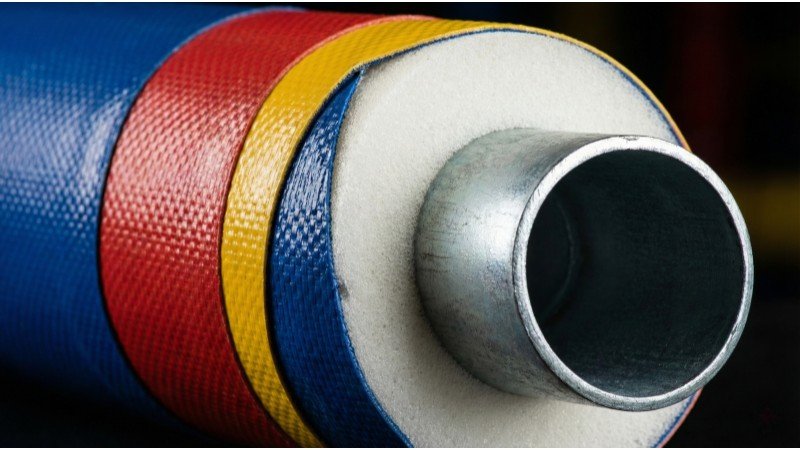
Galvanized Steel Pipes: Wall Thickness and Diameter Requirements
The steel pipe framework acts as the skeleton of your entire playground. Just as the frame of a large commercial trampoline must support the dynamic force of multiple jumpers, these pipes must support the weight of the equipment and the children.
In the commercial playground industry, the standard outer diameter (OD) for these pipes is 48mm (approx. 1.9 inches). This specific size allows standard clamps and fasteners to fit securely. However, the most critical specification that buyers often overlook is the wall thickness.
Budget suppliers frequently use pipes with a wall thickness of only 1.2mm to 1.8mm. While these look identical from the outside, they are significantly weaker.
Why 2.5mm Thickness is Critical:
- Load Bearing: A 2.5mm pipe can support significantly more weight than a 1.5mm pipe, which is crucial for multi-level structures.
- Clamp Grip: Fasteners bite into the steel. If the wall is too thin, the fastener can crush the pipe when tightened, causing a loose connection.
| Pipe Grade | Wall Thickness | Recommended Use |
|---|---|---|
| Commercial Standard | 2.5mm – 3.25mm | Multi-level structures, high traffic areas. |
| Budget/Residential | 1.5mm – 1.8mm | Small, single-level toddlers areas only. |
| Risk Zone | < 1.5mm | Not recommended for commercial public use. |
Note: Steel pipe gauges can vary slightly depending on regional manufacturing standards (e.g., British Standard vs. US Schedule 40). Always confirm the exact millimeter thickness with your supplier.
PVC Vinyl Covering: Thickness and Tear Resistance Levels
The colorful “skin” you see on slides, pads, and obstacles is made of PVC vinyl. This material must withstand constant friction from children sliding, running, and climbing. If the vinyl is too thin, it will crack and peel within months, exposing the foam underneath.
You should look for 0.55mm thick PVC, often referred to in the industry as 18oz vinyl.
However, thickness is not the only factor. The true strength comes from the internal reinforcement. High-quality playground vinyl acts like a sandwich. It has a top layer of PVC, a bottom layer of PVC, and a strong nylon mesh grid in the middle.
The 1000D Standard:
The internal mesh should be 1000D (Denier) density. This creates a “rip-stop” effect. If a child accidentally pokes the vinyl with a sharp toy, the 1000D grid stops the hole from growing. Without this grid, a small puncture acts like a tear in a piece of paper—it spreads instantly.
High-Density Foam: Why 30kg/m³ Matters for Longevity
Inside the vinyl wrapping lies the foam padding. The density of this foam determines how long the equipment will keep its shape.
Low-quality foam is susceptible to “bottoming out.” This happens when a child steps on a floor mat, and the foam compresses so much that the child’s foot hits the hard concrete floor underneath. This is a common issue with cheap “kitchen sponge” grade foam.
The Industry Benchmark: 30kg/m³
For commercial indoor playgrounds, you must require EPE (Expanded Polyethylene) foam with a density of 30kg/m³ (approx. 1.9 lb/ft³) or higher.
Comparison of Foam Performance:
| Density | Feel | Long-Term Result (1-2 Years) |
|---|---|---|
| Low (< 20kg/m³) | Very soft, easy to squeeze. | Flattens out; vinyl becomes loose and wrinkly. |
| High (30kg/m³+) | Firm, resilient. | Retains shape; keeps vinyl tight and smooth. |
Think of this like the foam padding on a gymnastics balance beam. It needs to be firm enough to support weight without collapsing, yet soft enough to absorb impact.
Safety Netting: Heavy-Duty Knitting and Correct Mesh Size
Netting serves two purposes: it keeps children inside the structure and prevents them from climbing up the outside of the walls.
Mesh Size and Finger Entrapment
The size of the holes in the net is a critical safety parameter. If the mesh holes are too large, a child can fit their foot inside and climb the net like a ladder. This is dangerous because they could fall from a greater height.
The ideal mesh size for indoor playgrounds is typically under 50mm (approx. 2 inches). This is often called “anti-climb” netting because the holes are too small for a child’s shoe to gain a foothold.
Knitting Technique
High-quality netting uses a knotless, high-strength polyester machine knitting technique.
- Knotted Netting: Can be abrasive. The knots can scrape a child’s skin if they brush against it quickly.
- Knotless Netting: Is smoother and safer for skin contact. It distributes force evenly across the fabric rather than concentrating stress on individual knots.
Manufacturing Craftsmanship and Structural Integrity
Superior manufacturing ensures that the playground can withstand dynamic loads without loosening or corroding over time. Key indicators of quality craftsmanship include the use of hot-dip galvanized steel for rust prevention, heavy-duty cast iron connectors for rigid joint stability, and industrial double-stitching on all soft padding.
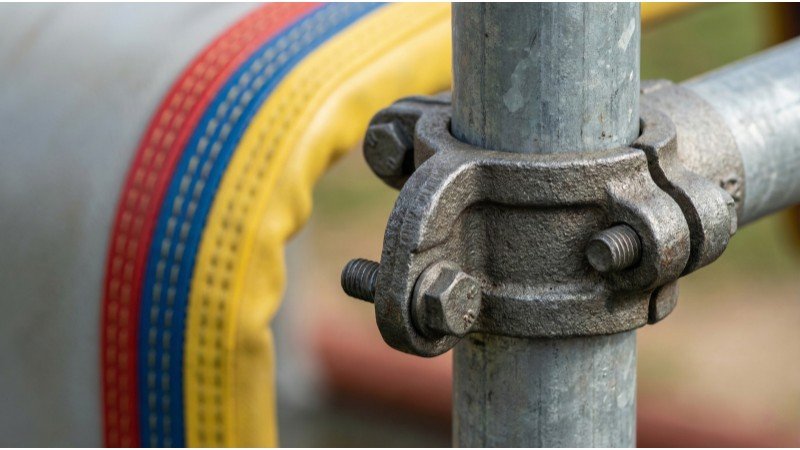
Rust Prevention: Hot-Dip Galvanizing vs Cold Galvanizing
Steel rusts when exposed to moisture. Even indoors, playgrounds are exposed to humidity and sweat. To stop this, manufacturers coat the steel pipes with zinc, a process called galvanizing.
There are two main methods used in the playground industry:
- Cold Galvanizing (Electro-Galvanizing): The steel pipe is sprayed or plated with a thin layer of zinc. It looks shiny and bright when new but the coating is very thin. If the pipe gets scratched during installation—which happens often—the steel underneath is exposed and will rust quickly.
- Hot-Dip Galvanizing: The steel pipe is completely dipped into a bath of molten zinc. This creates a thick, dull grey alloy layer that bonds chemically with the steel.
Visual Identification Guide:
| Feature | Cold Galvanized (Avoid) | Hot-Dip Galvanized (Preferred) |
|---|---|---|
| Appearance | Very shiny, almost like chrome. | Dull, matte grey finish. |
| Inside the Pipe | Often bare steel (black/rusty). | Coated with zinc inside and out. |
| Durability | Rusts easily if scratched. | Self-healing properties protect scratches. |
Connector Quality: Cast Iron vs Light Alloy Fasteners
The clamps (fasteners) are the “joints” of your playground skeleton. They hold the vertical posts and horizontal bars together. The material of these clamps dictates how rigid your structure will be.
Cast Iron Connectors:
The industry standard for high-traffic facilities is Cast Iron. These clamps are heavy and extremely dense. When you tighten the screw, cast iron does not deform. It delivers maximum clamping force onto the pipe, creating a joint as solid as a welded connection.
Light Alloy / Aluminum Connectors:
Some manufacturers use lighter aluminum alloys to save on shipping weight. While they look similar, they are softer.
- The Risk: If an installer overtightens a bolt on a light alloy clamp, the metal can crack or stretch.
- The Consequence: Over time, the vibration from children running causes these softer clamps to loosen. This leads to a “wobbly” structure.
Stitching Durability: Double-Stitched Seams in Soft Padding
Soft padding covers the hard steel frame. This padding is made of vinyl sewn over foam. The weak point in any soft play equipment is the seam where two pieces of vinyl meet.
Single Stitching vs. Double Stitching:
- Single Stitching: Uses one line of thread. If that one thread breaks due to a child jumping on it, the entire seam splits open. The foam inside gets exposed and picked apart by children.
- Double Stitching: Uses two parallel lines of thread. If one line breaks, the second line holds the seam together. This effectively doubles the lifespan of the pad.
Thread Quality:
High-quality manufacturers use heavy-duty nylon or polyester thread that is resistant to rot and abrasion. Cheap cotton-blend threads will disintegrate after repeated cleaning with chemical disinfectants.
Chemical Safety and Fire Resistance Compliance
Ensuring materials are non-toxic and fire-resistant is critical, as playgrounds act as large enclosed structures that can trap heat or smoke. All soft play materials must pass rigorous flammability tests (e.g., NFPA 701, BS 5852) to prove they are self-extinguishing. Additionally, vinyl and plastics must be certified non-toxic, strictly limiting lead and phthalates according to CPSIA or REACH regulations.
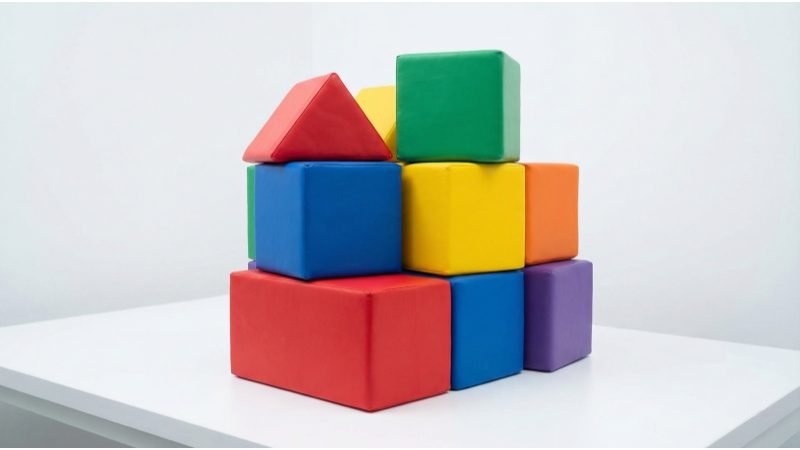
Fire Retardant Standards for Foam and PVC Materials
A multi-level playground structure acts like a chimney. If a fire starts at the bottom, the updraft can pull flames to the top in seconds. Therefore, the materials must resist ignition.
Self-Extinguishing Capability
We look for “Fire Retardant” or “Self-Extinguishing” properties.
- The Concept: If a heat source contacts the material, it might melt or char. However, once the heat source is removed, the material should stop burning immediately. It should not hold a flame.
- The Risk: Non-treated foam burns like “solid gasoline.” It drips melting, burning plastic, which spreads the fire downward to lower levels.
Key International Standards
Different regions enforce different codes. Please consult your local fire marshal to confirm which specific standard applies to your building permit.
| Standard | Region | Application |
|---|---|---|
| NFPA 701 | USA / Canada | Tests how textiles and films (like PVC vinyl) react to flames. |
| ASTM E84 (Class A) | USA | Measures surface burning characteristics of building materials. |
| BS 5852 | UK / Europe | Often called the “Match and Cigarette” test for upholstery and foam. |
| M1 / M2 Rating | France / Europe | Classification for material flammability (M1 is non-flammable). |
Non-Toxic Testing: Lead and Phthalate Limits in Plastics
Children interact with playgrounds using all their senses. They touch the netting, crawl on the mats, and toddlers often mouth the equipment. Therefore, the chemical composition of the plastics is just as important as their strength.
The Danger of Phthalates in PVC
PVC vinyl is naturally hard and brittle (like a PVC drain pipe). To make it soft and flexible for a playground, manufacturers add chemicals called plasticizers.
- Cheap Plasticizers: Often contain harmful Phthalates (such as DEHP). These are known endocrine disruptors.
- Safe Alternatives: High-quality manufacturers use non-toxic, phthalate-free plasticizers. These adhere to safety laws like the CPSIA in the US and REACH in Europe.
Lead in Pigments
Bright colors like yellow and red attract children. In the past, lead-based pigments were used to achieve these vibrant colors cheaply. Under US law (CPSIA), the limit for lead in accessible substrates is strict (typically 100 ppm).
EVA Mat Safety (Formamide)
For the puzzle mats often used in toddler areas, the primary concern is Formamide, a toxic byproduct of foam production. If you open a package of foam mats and a strong, ammonia-like smell hits you, that is likely formamide off-gassing. Safe, high-quality EVA mats should have little to no odor.
The Ultimate Quality Inspection Checklist
Before opening your facility, a rigorous physical inspection is the final barrier against accidents. Facility owners must measure all structural openings with standardized probes to prevent entrapment, manually palpate surfaces to detect sharp projections, and perform dynamic load tests on the steel frame.
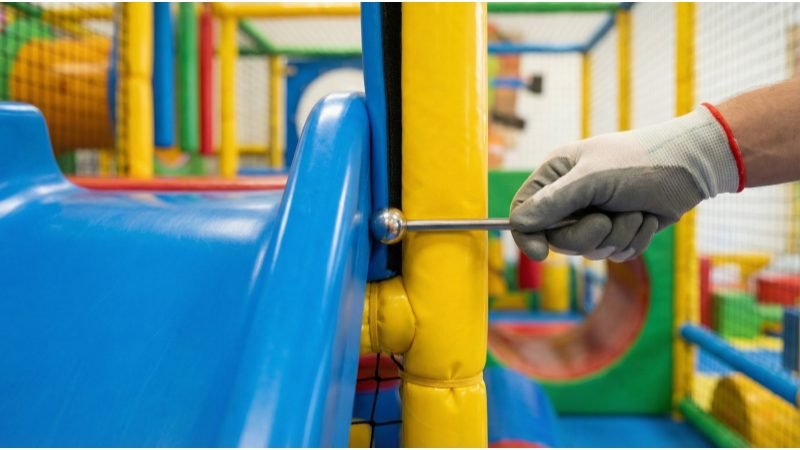
Measuring Gaps to Prevent Head and Finger Entrapment
The most critical safety check involves identifying “traps” where a child’s body part enters an opening but cannot be withdrawn.
The “Danger Zone” Dimensions
Openings are generally safe if they are either too small for a body to enter or large enough for the head to pass through freely. The danger lies in the middle range.
- Head Entrapment: Avoid rigid openings between 3.5 inches (89mm) and 9 inches (228mm). If a gap is this size, a child’s feet could pass through, but their head could get stuck.
- Finger Entrapment: Avoid holes or gaps between 8mm and 25mm. This is the size range where a finger can enter but might swell or get caught when pulled back.
Common Risk Areas:
- Between soft pads: Where two floor mats meet, verify the gap is tight (zero gap) or wider than 9 inches.
- Slide Entrances: Check the gap between the slide bed and the safety rail.
- Netting Connections: Ensure the rope mesh is not loose enough to stretch into an opening larger than 3.5 inches.
Checking for Sharp Edges and Protruding Hardware
Children in a playground move fast. Any hard protrusion acts like a brake, catching clothing or skin.
The “Touch Test”
You should physically run your gloved hand along every accessible pipe, joint, and surface. Your hand should slide smoothly without snagging. If your glove catches on something, a child’s skin will too.
Specific Inspection Points:
| Component | What to Look For | Corrective Action |
|---|---|---|
| Zip Ties (Cable Ties) | Sharp, angled cuts on the tail of the tie. | Use a flush-cutter tool to remove the tail completely smooth. |
| Bolts and Nuts | The bolt thread sticks out too far past the nut. | The bolt should not protrude more than two threads. Use cap nuts or covers. |
| Screw Heads | Exposed screws on panels or decorations. | Ensure all screws are countersunk (flush with the surface). |
| Pipe Cuts | Rough metal burrs on the ends of steel pipes. | File down the metal until smooth before applying the connector. |
Testing Frame Stability and Weight Bearing Capacity
Before the grand opening, you must confirm that the structure is solid. A playground should not sway, creak, or lift off the ground when children—or adults—are inside.
The “Shake Test”
Stand at a corner post of the structure. Grab the vertical steel pipe firmly and attempt to shake it.
- Good Result: The structure feels rigid. The vibration stops almost immediately.
- Bad Result: You see the entire frame swaying. You hear metal squeaking against metal.
Load Testing for Rescue
The structure must be strong enough to support an adult. In an emergency, a staff member may need to climb into the structure to retrieve a child.
To test this, have an adult walk through the main pathways.
- Listen: Do you hear cracking sounds from the floorboards?
- Look: Do the horizontal steel pipes bend visibly under the adult’s weight?
- Check the Feet: Look at the base plates on the floor. When the adult jumps lightly on the second level, do the base plates on the ground lift up?
If the frame lifts or bends significantly, it indicates that the steel wall thickness is insufficient or the fasteners are not tightened correctly. Do not open the facility until this is resolved.
Conclusion
Investing in indoor playground equipment is more than just purchasing toys; it is an investment in safety and long-term profitability. By adhering to international safety standards like ASTM F1918 and EN 1176, and insisting on high-grade materials such as hot-dip galvanized steel and 1000D reinforced PVC, you build a foundation of trust with parents.
High-quality equipment not only reduces liability risks but also lowers maintenance costs and ensures your facility remains attractive and functional for years. Do not compromise on these critical parameters. A rigorous check today prevents costly failures tomorrow.