-
Whatsapp: +86 15516933785
-
Email: hanlin@hanlinplayground.com
-
Address: Shangjie District, Zhengzhou City, Henan Province, China
-
Whatsapp: +86 15516933785
-
Email: hanlin@hanlinplayground.com
-
Address: Shangjie District, Zhengzhou City, Henan Province, China


Indoor Playground Mats Guide: Choosing the Safest Flooring Material for Your Facility
What is the most important factor when selecting indoor playground flooring for a commercial facility?
The safety and compliance of the material are paramount. Facility owners must prioritize flooring that meets ASTM F1292 standards for impact attenuation, ensuring the Critical Fall Height rating matches the equipment. Furthermore, selecting commercial-grade materials like PVC vinyl or rubber over residential options ensures compliance with fire codes, durability against high foot traffic, and long-term cost efficiency.
Understanding Critical Safety Standards and Certifications
What are the primary safety standards you must verify before purchasing indoor playground mats to ensure legal compliance and user safety?
To ensure compliance, indoor playground flooring must primarily meet the ASTM F1292 standard, which specifies the impact attenuation and shock absorption requirements for playground surfacing. Additionally, facility owners should verify that the Critical Fall Height (CFH) rating of the mats equals or exceeds the highest designated play surface of their equipment, often validated through third-party field testing. Materials must also adhere to chemical safety standards, such as CPSIA for lead and phthalates, ensuring a non-toxic environment for children.
The Importance of ASTM F1292 Compliance
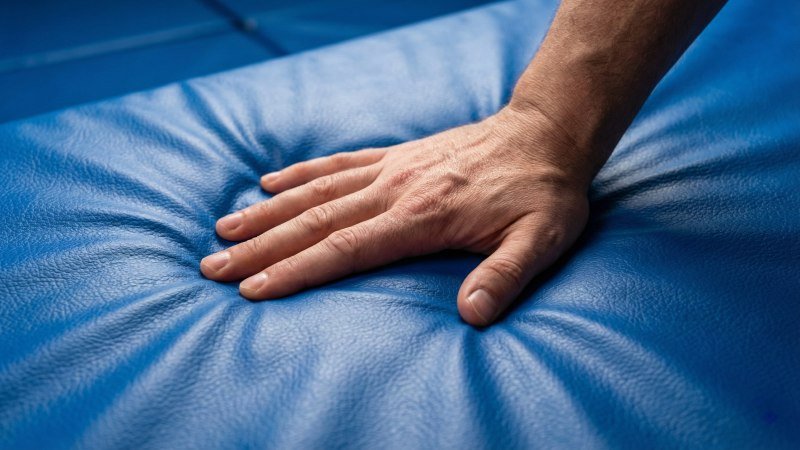
In the commercial playground industry, a soft surface does not automatically mean a safe surface. The ASTM F1292 specification is the most critical benchmark for reducing the severity of head injuries. This standard establishes a test method to measure how well a surface system absorbs impact energy when a child falls.
Think of it this way: consider the difference between a simple landing mat and a trampoline bed. A trampoline springs back, returning energy to the user. A compliant safety mat acts like a high-density foam pit in a gymnastics center: it compresses to absorb the energy and stops the user from hitting the hard concrete subfloor, rather than bouncing them back.
ASTM F1292 measures two main factors:
- HIC (Head Injury Criteria): This calculates the potential severity of a head injury. For a surface to be compliant, the HIC score must be less than 1,000 during a drop test. A score above this limit indicates a high risk of a life-threatening head injury.
- G-Max: This measures the maximum acceleration (shock) felt during an impact. The standard requires a G-Max score of less than 200. If the score is too high, the impact happens too fast, leading to concussions.
If a supplier cannot provide a certificate proving their mats meet ASTM F1292, the flooring is likely unsuitable for a commercial play zone, regardless of how soft it feels to the touch. You should verify this as part of your overall safety standards check.
Calculating Critical Fall Height for Your Equipment
The Critical Fall Height (CFH) is the maximum height from which a child can fall onto the surface without sustaining a life-threatening head injury. Your goal is to match the flooring’s CFH rating to your equipment’s “fall height.”
Determining the Required Rating:
- Identify the Highest Point: Measure the vertical distance from the highest designated play surface (like a platform or the top of a slide entry) to the floor.
- Match the Mat: Select a mat system with a CFH rating equal to or greater than that measurement.
For example, if your play structure has a platform that is 4 feet off the ground, installing a mat rated for only a 3-foot fall height is a safety violation.
Estimated Thickness vs. Fall Height
Note: The following data provides general estimates. Density and material composition vary by manufacturer. Always verify specific fall height ratings with your supplier before purchasing.
| Mat Thickness | Estimated Critical Fall Height (CFH) | Typical Application |
|---|---|---|
| 1 Inch | Approx. 2 – 3 Feet | Low balance beams, toddler zones |
| 2 Inches | Approx. 4 – 5 Feet | Standard climbing frames, slides |
| 4 Inches | Approx. 6 – 8 Feet | High decks, monkey bars |
Never guess based on visual thickness alone. A 2-inch low-density foam pad might protect against a 4-foot fall, while a 2-inch high-density rubber tile might only rate for 3 feet because it is harder.
Non-Toxic Certifications and VOC Emission Limits
Safety is not just about physical impact; it is also about chemical exposure. In an indoor environment, ventilation is often more limited than outdoors. Children frequently crawl on these mats, touching the surface and then their mouths. Therefore, the chemical composition of the flooring is a major safety concern.
Key Chemical Standards to Review:
- CPSIA Compliance: This refers to the CPSIA Compliance Act. It strictly limits the amount of lead and phthalates allowed in children’s products. Phthalates are chemicals often used to make plastic soft, but they can be harmful to a child’s development.
- Low VOC Emissions: Volatile Organic Compounds (VOCs) are gases emitted from certain solids or liquids. High levels of VOCs can cause headaches and respiratory issues. Look for certifications that verify low emissions, ensuring the air quality remains safe for an enclosed play center.
Think of this like the coating used on your playground’s steel pipes. Just as you would not use industrial paint containing lead on a slide rail, you cannot use high-emission industrial flooring in a zone designed for children. Always ask for a Material Safety Data Sheet (MSDS) to confirm the product is free from heavy metals and formamide.
Detailed Comparison of Common Indoor Playground Flooring Materials
Which flooring material offers the best balance of safety, durability, and function for your specific indoor playground environment?
The ideal material depends on the intended user age and traffic intensity: EVA foam offers soft, low-cost cushioning for toddler areas, while PVC vinyl mats provide the heavy-duty, hygienic surface required for commercial soft play structures. For high-impact zones, rubber tiles deliver superior shock absorption, whereas artificial turf with padding creates a textured, sensory-rich environment suitable for themed adventure areas.
Interlocking EVA Foam Tiles
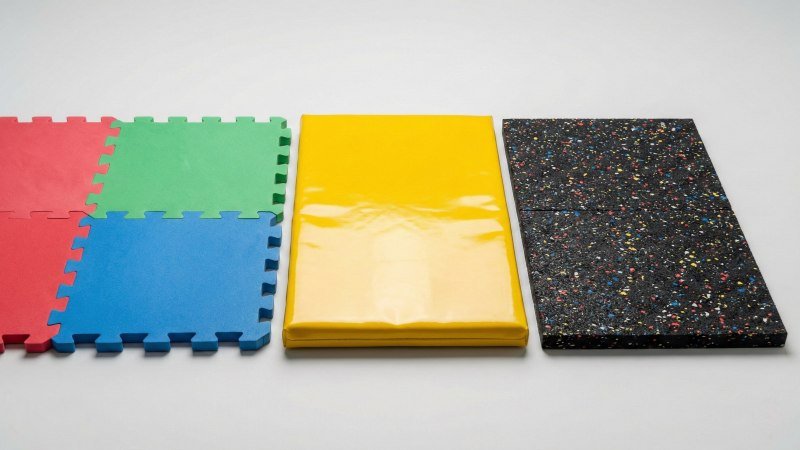
EVA (Ethylene Vinyl Acetate) foam tiles are often recognized by their puzzle-piece edges. These are the most common entry-level option for play areas. They are lightweight, soft to the touch, and generally come in bright colors.
Material Composition and Density
These tiles are made from a closed-cell foam. This means they do not absorb water like a sponge, which is critical for hygiene. However, the density determines quality. A low-density tile feels very squishy but will compress permanently over time, losing its ability to protect against falls. High-density EVA feels firmer and holds its shape longer.
Best Application
EVA is best suited for “shoes-off” zones specifically for toddlers or quiet play. Because the surface is soft, it can be easily gouged by hard shoe soles, high heels, or heavy furniture legs.
Industry Analogy
Think of EVA tiles like the temporary flooring used in a mobile soft play rental setup. It provides comfort for a short duration or light use but lacks the structural integrity to withstand the constant heavy foot traffic of a permanent Family Entertainment Center (FEC).
PVC Soft Play Mats and Vinyl Covers
This is the industry standard for multi-level commercial “jungle gyms.” Unlike a single-layer mat, this flooring consists of two distinct parts: a soft inner foam core (usually Polyurethane) and a durable outer vinyl cover.
The 18oz Vinyl Standard
In the commercial playground industry, the outer cover is typically made of 18oz vinyl. This specific weight is thick enough to resist tearing when children crawl or slide on it but flexible enough to wrap tightly around the foam. The surface is smooth and non-porous. This makes it easy to wipe down, preventing bacteria from settling into the material.
Foam Core Differences
The inner foam provides the impact absorption. Manufacturers often use “rebond foam” (shredded and glued foam) for the floor pads because it is denser and does not bottom out when an adult walks on it.
Industry Analogy
You can compare this material to the heavy-duty vinyl covers used on structural column pads or wall padding in a gym. It is designed to take repeated impact and friction without cracking, unlike the delicate fabric you might find on residential furniture.
Rubber Tiles and Rolls
Rubber flooring is heavy, dense, and incredibly durable. It is typically made from recycled tires (SBR rubber) or colored synthetic granules (EPDM).
Durability vs. Abrasion
Rubber is practically indestructible regarding wear and tear. It can withstand heavy shoes, dropped toys, and high traffic. The trade-off? High surface friction. If a child slides across a rubber floor, they are more likely to get a friction burn (rug burn) compared to smooth PVC vinyl.
Odor Considerations
Rubber materials, especially those made from recycled tires, often release a distinct “rubbery” smell (off-gassing) when first installed. In a poorly ventilated indoor space, this can be noticeable.
Best Application
Rubber is rarely used inside the main soft play structure. Instead, it is ideal for peripheral areas, such as the entrance to a trampoline zone or under heavy independent equipment like merry-go-rounds, where the floor needs to be tough rather than soft.
Artificial Turf with Padded Underlayment
Artificial turf brings an outdoor aesthetic inside. But don’t be fooled—the green “grass” layer itself offers almost zero impact protection. It is merely a carpet.
The Critical Role of Underlayment
To make turf safe for a playground, it must be installed over a dedicated shock pad (usually a layer of bonded foam). The safety rating comes entirely from this hidden pad, not the grass on top.
Infill and Texture
Outdoor turf often uses “crumb rubber” infill (tiny black pellets) to make the grass stand up. For indoor playgrounds, you must avoid loose rubber infill as it creates a mess and can be a choking hazard. Instead, commercial indoor turf relies on a high-density thatch layer (curly fibers at the base) to keep the blades upright without loose pellets.
Comparison Table: Material Characteristics
| Feature | EVA Foam Tiles | PVC Vinyl Mats | Rubber Flooring | Artificial Turf (w/ Pad) |
|---|---|---|---|---|
| Primary Material | Closed-cell foam | PU foam w/ Vinyl cover | Recycled/EPDM Rubber | Synthetic fibers + Foam pad |
| Surface Texture | Soft, smooth | Slick, non-porous | Hard, high-friction | Textured, grassy |
| Durability | Low (prone to gouging) | High (tear-resistant) | Very High (heavy duty) | Medium (wear patterns) |
| Hygiene | Good (waterproof) | Excellent (wipeable) | Fair (porous gaps) | Fair (traps dust) |
| Best Use | Toddler/Quiet Areas | Main Play Structures | High-Traffic/Gym Zones | Themed/Sensory Areas |
Key Factors for Choosing Between Commercial and Residential Options
How do you determine if a specific flooring product is designated for heavy-duty commercial use or merely for light residential play?
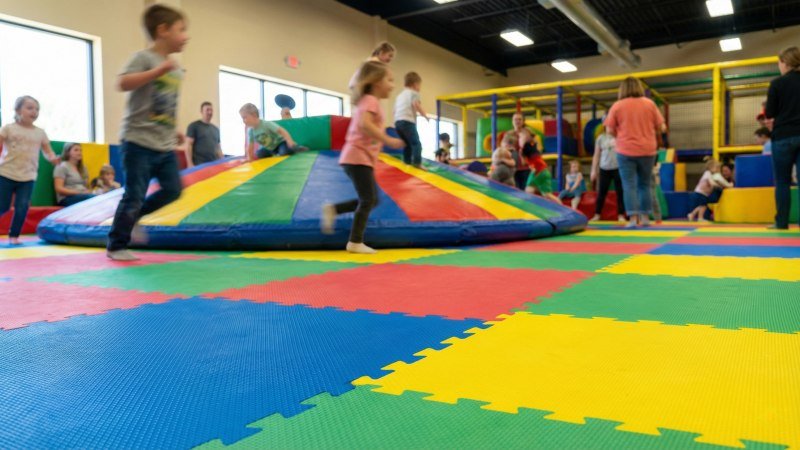
The distinction lies in the rigorous testing standards: commercial flooring is engineered to meet specific fire codes (such as ASTM E84 Class A), resist rapid wear from high foot traffic, and maintain shock absorption properties over millions of use cycles. Conversely, residential options prioritize lower costs and home aesthetics, lacking the necessary density and fire certifications required to pass municipal building inspections or secure liability insurance for public facilities.
Durability and Wear Resistance Requirements
When selecting mats, you must accurately estimate the “traffic load” of your facility. A residential playroom might see two children playing for an hour a day. In contrast, a commercial indoor playground often hosts hundreds of children running, jumping, and sliding for ten hours straight.
Compression Set and Memory
Commercial mats are built to resist “compression set.” This is the tendency of foam to stay flat after someone stands on it. High-quality commercial foam functions like a heavy-duty trampoline spring; it carries a heavy load and immediately returns to its original height. Residential mats, often made of lower-density EVA, act more like the elastic bands on a toddler’s jumper. If you subject them to the constant weight of a commercial crowd, they will flatten out permanently (bottom out), losing their safety rating within weeks.
Abrasion Resistance
Commercial covers (specifically 18oz vinyl) are tested for abrasion. This measures how many times a surface can be rubbed before wearing through. In a commercial setting, friction from denim jeans sliding across the floor acts like sandpaper. Residential mats with printed designs often peel or fade under this friction, whereas commercial vinyl is solid-colored or chemically bonded to prevent the surface from wearing away.
Fire Resistance Ratings and Local Building Codes
This is the single most critical legal difference between putting a mat in your basement and installing one in a business. Residential homes are rarely subject to surprise inspections by the Fire Marshal. Public businesses are inspected regularly. Do you really want to risk your business license over a cheaper floor?
Understanding ASTM E84
Most commercial building codes require flooring to meet specific flame spread ratings, often tested under ASTM E84.
- Flame Spread Index: This measures how fast fire travels across the surface.
- Smoke Developed Index: This measures how much smoke the burning material generates.
The Risk of Non-Compliance
Here is the nightmare scenario: If you install residential-grade foam mats in a commercial facility, they may act like “solid gasoline” in a fire event, spreading flames rapidly and creating toxic black smoke. If a Fire Marshal inspects your facility and sees mats without the proper fire rating certification tags, they have the authority to shut down your business immediately until the flooring is replaced.
Aesthetics and Theme Customization Capabilities
While durability and safety are practical concerns, the visual impact drives your customer’s experience. Residential and commercial goals often oppose each other here.
Residential: Blending In
Homeowners typically want mats that disappear into the decor. They look for “wood grain” prints or neutral grays that match the living room furniture. The goal is camouflage.
Commercial: Standing Out
In a business, the floor is part of the attraction. Commercial flooring offers advanced customization options that residential products cannot provide.
- Wayfinding: You can use different colored floor sections to create visual paths, guiding traffic flow from the entrance to the play structure.
- Branding: Commercial vinyl suppliers can often heat-seal or UV-print your company logo directly onto the mats.
- Theming: If you are building an “Ocean World,” commercial suppliers can provide custom colors like “Deep Sea Blue” or “Coral” to match the slides and wall pads. Residential sellers usually only stock standard primary colors.
Comparison of Functional Priorities
| Feature | Residential Mats | Commercial Flooring |
|---|---|---|
| Traffic Expectation | Low (Socks only, few users) | Extreme (Shoes possible, high volume) |
| Fire Safety | Basic (Often flammable) | Strict (Class A/B Fire Rated) |
| Visual Goal | Neutral / Wood Look | Bright / Branded / Themed |
| Inspection Status | Exempt from Fire Marshal | Subject to random audit |
Installation and Long-Term Maintenance Best Practices
How does the installation method you choose impact the daily maintenance and long-term safety of your indoor playground flooring?
Proper installation prevents dangerous gaps and tripping hazards, while a strict cleaning regimen using compatible disinfectants preserves the material’s structural integrity. By adhering to manufacturer guidelines for installation and maintenance, facility owners ensure their flooring remains hygienic, retains its shock-absorbing capabilities, and complies with safety standards throughout its operational life.
DIY Interlocking Systems vs Professional Installation
The decision between doing it yourself (DIY) and hiring a professional installer usually comes down to the scale of your facility and the type of material selected.
DIY Interlocking Systems
Most EVA foam tiles and some rubber tiles feature “puzzle-piece” edges. This design allows facility owners to assemble the floor without special tools or adhesives. It functions like a large-scale jigsaw puzzle.
- Pros: It is cost-effective and allows you to easily swap out individual tiles if they get damaged.
- Cons: Over time, the heavy foot traffic can cause the interlocking teeth to separate. This creates small gaps where dirt collects or, worse, where a child can trip. Additionally, liquids (spilled juice or cleaning water) can seep through the seams and get trapped underneath, leading to mold growth on the subfloor.
Professional Installation
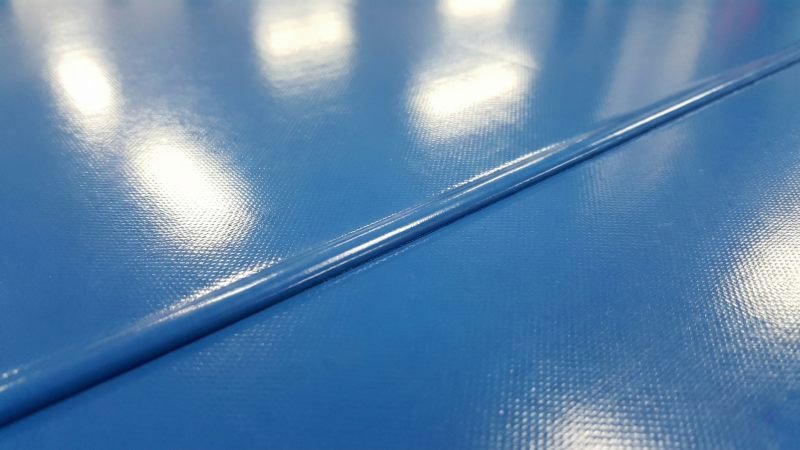
For commercial vinyl mats or rolled rubber, professional installation is often mandatory to validate the warranty. Professionals typically use a “glue-down” method. They apply a strong adhesive to the concrete subfloor before rolling out the mats. For vinyl surfaces, installers use a technique called heat welding. They melt a matching vinyl rod into the seams between rolls, fusing them together to create one continuous, waterproof sheet.
Industry Analogy
Think of DIY tiles like the modular fencing used around a temporary construction site; it is flexible and easy to move but has gaps. Professional installation is like the poured-in-place rubber surface of a water park splash pad; it becomes a permanent, seamless part of the facility structure.
Cleaning Protocols for Hygiene and Virus Control
Cleaning indoor playground mats requires a balance between sanitation and material preservation. Using the wrong chemicals can destroy the safety features of your floor.
The Danger of Harsh Chemicals
Many facility owners make the mistake of using full-strength bleach or ammonia-based cleaners. While these kill germs, they also chemically break down the plasticizers in vinyl and foam. This causes the mats to become brittle and crack, creating sharp edges and ruining the impact absorption.
Two-Step Cleaning Process
- Debris Removal: You must vacuum or sweep the floor first. If you mop a dirty floor, the grit acts like sandpaper, scratching the surface of the mats.
- Sanitization: Apply the disinfectant spray. Most sanitizers require a specific “dwell time” (often 5 to 10 minutes) to effectively kill viruses before being wiped off. For more details on safe chemicals, refer to our guide on Cleaning Protocols for Hygiene.
Moisture Control
Never “flood mop” or hose down a mat system unless it is fully heat-welded and waterproof. If water seeps into the foam core through seams or needle holes, the foam acts like a sponge. It will hold that moisture, leading to internal mold growth that you cannot see but can smell.
Inspecting and Replacing Damaged Flooring Sections
Even the most durable commercial flooring wears out. Regular inspections prevent minor issues from becoming major liability claims.
Identifying “Compression Set”
Over time, high-traffic areas (like the landing zone at the bottom of a slide) will lose their bounce. The foam compresses and does not recover. This is called “compression set.”
- The Test: Press your thumb firmly into the mat. It should spring back immediately. If the indentation remains, or if the area feels significantly harder than the surrounding floor, the shock absorption is gone. It is no longer safe for falls.
Managing Wear and Tear
- Vinyl Tears: Small cuts in vinyl covers must be repaired immediately. A small tear allows bacteria to enter the foam. For small cuts, you can often use a vinyl patch kit, similar to repairing a small puncture in an inflatable bounce house.
- Tile Gaps: If interlocking tiles begin to curl at the edges, they become a tripping hazard.
Replacement Strategy
When a section wears out, you do not always need to replace the entire floor.
- For Tiles: Keep a box of spare tiles in storage. Note: New tiles will be thicker than old, compressed tiles. It is often better to move a worn tile to a low-traffic corner and put the corner tile in the high-traffic zone, rather than introducing a brand new, uneven tile.
- For Rolls: Professional installers can cut out the damaged square and heat-weld a new patch in its place, restoring the waterproof seal.
Maintenance Checklist
| Inspection Point | Frequency | What to Look For | Action Required |
|---|---|---|---|
| Surface Integrity | Daily | Cuts, punctures, peeling vinyl | Apply patch kit immediately |
| Seams & Edges | Weekly | Gaps opening, curling corners | Re-lock tiles or apply adhesive |
| Cleanliness | Daily | Sticky spots, visible debris | Vacuum and sanitize |
| Impact Safety | Monthly | Hard spots (compression set) | Replace foam core or tile |
Budgeting for Quality and Lifecycle Costs
Is saving money on the initial purchase price of playground flooring actually a smart financial decision for your business?
While budget-friendly options like EVA foam reduce upfront capital expenditure, they often result in higher long-term operational costs due to frequent replacement requirements. A comprehensive lifecycle cost analysis reveals that investing in commercial-grade materials, such as heavy-duty PVC or rubber, typically yields a lower Total Cost of Ownership (TCO) over a five-year period through reduced maintenance labor and extended durability.

Initial Investment vs Lifespan of Materials
When outfitting a facility, the price tag per square foot is usually the first number buyers look at. However, here is the hard truth of the industry: the cheapest material is almost always the most expensive one to own.
The “Buy Nice or Buy Twice” Reality
Consider the foam padding used on the steel poles of your play structure. If you buy cheap, unlined pool noodles, kids will pick them apart in weeks, forcing you to buy them again and again. If you buy vinyl-wrapped commercial post pads, they cost more initially but last for years.
Flooring works the same way.
- Low Initial Cost: A standard residential EVA tile might cost $1.50 – $2.50 per square foot. In a high-traffic commercial center, these tiles often compress and lose their safety rating within 6 to 12 months.
- High Initial Cost: A commercial rubber tile or heavy-duty vinyl system might cost $6.00 – $10.00 per square foot. However, these materials are engineered to withstand heavy foot traffic for 5 to 10 years without significant degradation.
Hidden Costs of Replacement
Replacing a floor is not just about the cost of the new mats. You must also calculate the “downtime cost.”
- Labor: You have to pay staff to rip up the old floor and install the new one.
- Revenue Loss: You might have to close your facility (or a section of it) for a day or two during the installation.
- Disposal: You often have to pay dump fees to get rid of the old, damaged material.
Lifecycle Cost Comparison Table
| Material Type | Initial Cost Level | Est. Commercial Lifespan | 5-Year Replacement Outlook |
|---|---|---|---|
| Residential EVA | Low ($) | 6 – 12 Months | Replace 5+ times |
| Commercial Vinyl | High ($$$) | 5 – 8 Years | Zero replacements |
| Recycled Rubber | Medium ($$) | 10+ Years | Zero replacements |
Warranty Coverage and Manufacturer Support
A warranty is your insurance policy against manufacturing defects. But don’t just glance at the headline; you must read the fine print to understand what is actually covered.
Manufacturing Defects vs. Wear and Tear
Most reputable suppliers offer a 1-year to 5-year warranty. It is crucial to understand that this usually covers defects, not wear.
- Defect: If a seam on a vinyl mat splits open because the heat-weld was weak, that is a defect. The manufacturer should replace it.
- Wear: If the floor wears down because thousands of children ran on it, that is normal use. Most warranties do not cover this.
- Industry Tip: Look for warranties that specifically mention “premature wear” or “UV stability” (for fading), as these offer better protection than standard defect warranties.
The “Pro-Rated” Warranty Trap
Be cautious of long warranties (e.g., “10-Year Warranty”) that are pro-rated. This means the value of the warranty goes down over time.
- Example: If a mat fails in year 1, they might replace it 100% free. If it fails in year 9, they might only give you a 10% credit toward buying a new one. You still have to pay 90% of the cost.
Manufacturer Support and Continuity
Long-term support is just as important as the paper warranty.
- Dye Lot Matching: If you need to replace just five tiles in the middle of your floor three years from now, can the manufacturer supply the exact same color? Cheaper suppliers often change their color formulas (dye lots) frequently. This leaves you with a patch of floor that does not match the rest.
- Part Availability: Does the supplier stock replacement connectors or edge ramps? If a supplier discontinues a specific interlocking pattern, you might be forced to replace your entire floor just because you cannot find a few replacement pieces.
Conclusion
Let’s be clear: Choosing the right indoor playground mats is not just a design decision; it is a critical investment in safety and liability management. While residential-grade EVA tiles may appear attractive for their low initial cost, they lack the ASTM F1292 compliance, fire safety ratings, and durability required for a commercial environment. By selecting high-density PVC vinyl or rubber flooring and investing in professional installation, facility owners protect their patrons from injury and their business from costly closures.
Remember to prioritize Critical Fall Height ratings that match your equipment and implement a strict cleaning and inspection protocol. A quality floor is the foundation of a safe, successful play center.