-
Whatsapp: +86 15516933785
-
Email: hanlin@hanlinplayground.com
-
Address: Shangjie District, Zhengzhou City, Henan Province, China
-
Whatsapp: +86 15516933785
-
Email: hanlin@hanlinplayground.com
-
Address: Shangjie District, Zhengzhou City, Henan Province, China

Indoor Playground Franchise: Complete Guide to Costs, Profitability, and Top Brands
Are you considering investing in an indoor playground franchise but wondering what it truly takes to build a profitable and sustainable business?
Investing in an indoor playground franchise requires a thorough evaluation of initial capital requirements, ongoing royalty structures, and the optimization of diverse revenue streams. A successful operation depends on securing high-traffic commercial real estate, adhering to rigorous equipment safety standards, and weighing the turnkey support of an established brand against the creative and financial freedom of independent ownership.
Breakdown of Initial Investment and Ongoing Costs
What exactly does it cost to get an indoor playground franchise up and running?
The total initial investment for an indoor playground franchise typically ranges from $300,000 to over $1,000,000. This amount covers the upfront franchise fee, commercial real estate leasing, playground equipment, and essential startup costs like insurance and permits. Beyond the initial build-out, owners must budget for ongoing expenses, which primarily include monthly royalties, rent, and regular facility maintenance.
Franchise Fees and Royalties Explained
Right out of the gate, you’re paying for the rights to use an established brand’s name and business model. That means franchisors will hit you with two main types of fees.
The Initial Franchise Fee
This is a one-time, upfront payment. Usually, this fee ranges from $30,000 to $60,000. Think of the franchise fee as the admission ticket to a large amusement park. It simply grants you access to the established brand and their proven operating system.
Ongoing Royalties
On top of that upfront hit, expect to pay royalties. Royalties are recurring payments made directly to the franchisor. Typically, this is a percentage of your monthly gross sales. For example, most indoor playground franchises charge between 5% and 8%. Add to that a 1% to 2% marketing fee. This combined fund pays for national advertising campaigns.
| Fee Type | Payment Frequency | Typical Cost/Rate | Purpose |
|---|---|---|---|
| Franchise Fee | One-time (Upfront) | $30,000 – $60,000 | Brand access and initial training |
| Royalty Fee | Monthly | 5% – 8% of gross sales | Ongoing support and system use |
| Marketing Fee | Monthly | 1% – 2% of gross sales | National and regional advertising |
Real Estate and Facility Leasing Expenses
Moving on to brick and mortar. Most franchisees lease their commercial space instead of buying it. Because of this, rent will easily be your heaviest ongoing burden.
Indoor playgrounds require a massive footprint. Typically, these facilities range from 5,000 to 15,000 square feet. Vertical clearance is non-negotiable for tall play structures. Because you are leasing a large commercial space, you will likely encounter a Triple Net Lease (NNN).
Under an NNN lease, you pay a base monthly rent. But that’s not all; you’re also on the hook for three additional property expenses:
- Property Taxes: Your share of the commercial building’s taxes.
- Building Insurance: Insurance for the physical structure itself.
- Common Area Maintenance (CAM): Costs for parking lots, landscaping, and exterior repairs.
Before signing a lease, you must also budget for leasehold improvements. This includes building out public restrooms, private party rooms, and a cafe area. Depending on the previous tenant, these renovations can cost anywhere from $50,000 to $200,000.
Equipment and Installation Budgeting
The core of your business is the play equipment. Naturally, this represents a massive chunk of your upfront capital.
Commercial Play Structures
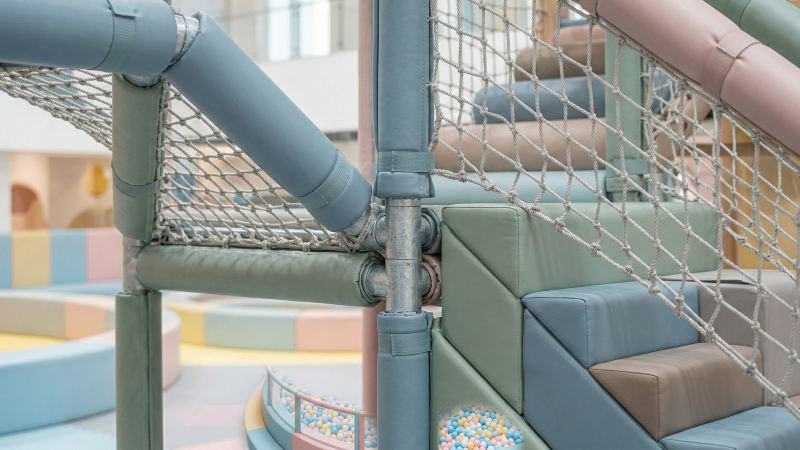
Think you can cut corners on the steel framing? Think again. You must purchase commercial-grade indoor equipment. This includes multi-level climbing frames, large ball pits, and enclosed tube slides. Similar to how a commercial trampoline park requires highly durable springs and structural frames, your playground needs heavy-duty steel pipes and thick safety padding.
Typically, a full equipment package costs between $100,000 and $300,000. Exact structural limits and costs will vary based on the chosen materials, so always verify specifications and safety certifications directly with your equipment manufacturer.
Installation and Freight
Equipment does not install itself. You’re going to need professional installation crews. Factor in international shipping freight and local installation labor, which can easily add 15% to 25% to your total equipment bill.
Insurance, Licensing, and Hidden Startup Costs
Let’s talk about the hidden administrative costs that constantly blindside new operators. These necessary expenses quickly add up before you even open your doors.
General Liability Insurance
Because young children are constantly running and climbing, the inherent risk of injury exists. Because of this, bulletproof general liability insurance isn’t just a good idea—it’s mandatory. Expect to pay $5,000 to $15,000 annually for a robust insurance policy designed for family entertainment centers.
Permits and Licensing
Local governments require specific business licenses. On top of that, you’ll need to pass rigorous fire safety inspections and occupancy permits. These administrative hurdles usually cost a few thousand dollars to clear.
Working Capital
The real killer, though? Working capital. This is the extra cash you keep in the bank to cover operating expenses. When you first open, you might not make a profit immediately. That’s why seasoned operators heavily recommend having at least three to six months of operating expenses saved up in cash.
“Undercapitalization is a primary reason new family entertainment centers fail. Always secure adequate working capital before launching your location.”
Analyzing Profitability and Return on Investment
So, how much money can you actually make by operating an indoor playground franchise?
The profitability of an indoor playground franchise depends heavily on maximizing diverse revenue streams against fixed monthly costs. While profit margins typically range from 15% to 25%, a well-managed facility can generate $500,000 to over $1.5 million in annual gross revenue. Success requires balancing daily admission sales with high-margin secondary income like private birthday parties and food service.
Primary Revenue Streams: Admissions and Memberships
Open play admissions are your baseline. Parents buy daily passes for their children to play. Typically, these tickets cost between $12 and $25 per child. Your weekend foot traffic directly drives your immediate cash flow.
But relying solely on daily tickets is a rookie mistake. Bad weather or school holidays cause massive fluctuations in daily attendance. That makes monthly memberships absolutely vital.
Think of this like a family entertainment center (FEC) season pass. Just as large theme parks rely on annual pass holders to guarantee baseline income regardless of daily tourist traffic, selling monthly playground memberships creates predictable, recurring revenue. You can easily offer a basic monthly pass for $40 to $60. This way, even when the floor is quiet on a Tuesday afternoon, your bank account isn’t.
Secondary Income Sources: Birthday Parties, Cafes, and Merchandise
Now, let’s look at the real profit centers: secondary income. Daily admissions bring people inside your building. It’s the secondary sales that actually pad your bottom line.
Private Birthday Parties
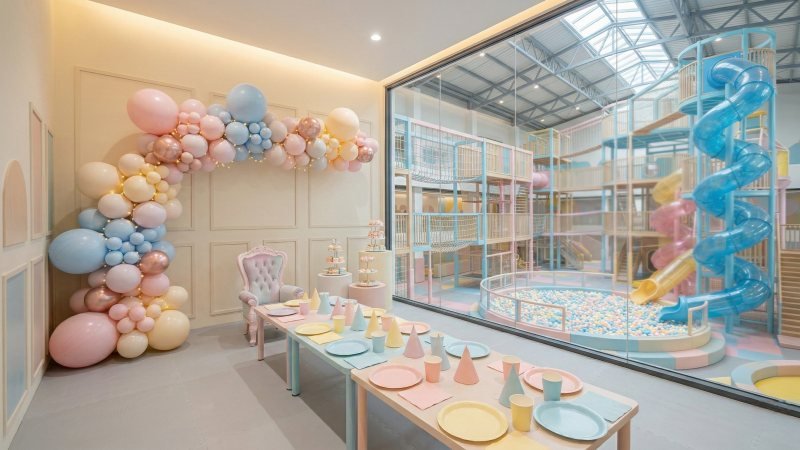
Parties are incredibly lucrative events. You sell an experience, not just floor space. Typically, a weekend party package costs between $250 and $800. A busy facility might host 15 to 30 parties every single weekend. Even better, parents routinely upgrade these packages with extra food or private mascot appearances.
In-House Cafes
Got a captive audience? They’re going to get hungry. That makes an in-house cafe highly profitable. You can sell pizza, coffee, and pre-packaged snacks. Drinks and concession snacks usually carry a massive profit margin of 60% to 80%.
Branded Merchandise and Grip Socks
Don’t overlook mandatory safety apparel. Ever wonder why every park forces customers to buy their specific footwear? It’s a highly consistent and lucrative retail stream. You buy these socks wholesale for roughly $1.00 per pair. Then, you sell them to customers for $3.00 to $5.00, securing excellent margins.
| Income Source | Typical Price Range | Average Profit Margin |
|---|---|---|
| Daily Admissions | $12 – $25 per child | Medium |
| Monthly Memberships | $40 – $60 per month | High |
| Birthday Parties | $250 – $800 per party | Very High |
| Cafe and Concessions | $2 – $15 per item | Very High |
| Grip Socks | $3 – $5 per pair | Extremely High |
Estimating Monthly Operating Expenses
To understand true profit, you must subtract your operating expenses. After you pay rent, several other monthly costs remain.
On the operational side, payroll will always be your largest variable expense. You need front desk staff, cafe workers, and dedicated party hosts. Expect payroll to chew through 15% to 25% of your gross monthly revenue.
Utility bills are another heavyweight. Large buildings require massive HVAC units. Keeping a 10,000-square-foot facility cool during summer costs thousands of dollars monthly.
And don’t ignore the ongoing wear and tear. Kids are incredibly tough on commercial equipment. You will regularly replace torn vinyl padding, broken zip-ties, and damaged safety netting.
Expected Timeline to Break Even
When will you finally get your initial investment back? This is known as the break-even point.
Historically, an indoor playground franchise takes 18 to 36 months to break even. This timeline depends heavily on your local market size and your active marketing efforts.
“A successful family entertainment center focuses heavily on community marketing during the first year. Building local brand awareness is the absolute fastest way to accelerate your break-even timeline.”
During the first six months, your operating expenses might exceed your revenue. That’s exactly why maintaining strong working capital is crucial. Eventually, as memberships grow and your location becomes a popular party destination, your revenue will stabilize. Only then will you start seeing a true return on investment.
Pros and Cons of Franchising vs. Independent Ownership
Should you buy an indoor playground franchise or start your own independent brand from scratch?
Franchising offers immediate brand recognition, proven operating systems, and comprehensive training, which significantly reduces early business failure risks. However, independent ownership eliminates expensive monthly royalties, provides complete creative control over facility design, and allows owners to source equipment directly from manufacturers at lower wholesale prices.
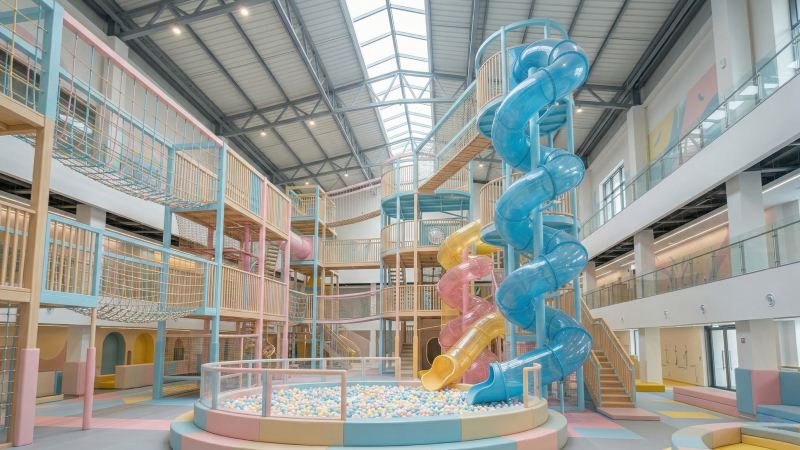
Benefits of an Established Brand and Support System
Right away, franchises offer a turnkey business model. You aren’t guessing what works. The corporate office provides a highly detailed operations manual. Think of this like buying a pre-programmed arcade cabinet for your family entertainment center. The game software is already tested for maximum token intake. You simply plug the machine into the wall and let it run.
Because of these tested systems, franchised locations often open much faster than independent sites. You receive instant brand recognition in your community. They also hand you massive marketing support. They give you proven digital ad templates and structured staff training programs. This built-in support system acts as a powerful safety net. It’s a huge draw for first-time business owners.
Drawbacks: Royalties and Creative Restrictions
But make no mistake, this safety net comes at a steep, perpetual cost. The biggest drawback is paying monthly royalties. A typical franchise takes 5% to 8% of your gross sales. Are you willing to hand over a cut of your top-line revenue every single month, even when margins are tight? Consider this like having a permanent profit-sharing partner who never actually works the playground floor or cleans the equipment.
Another friction point? Franchises strictly limit your creative freedom. Are you tired of your standard ball pit? Do you want to install a trendy interactive projection game? You cannot simply buy it. First, the corporate office must explicitly approve the new vendor. They dictate your layout, your color scheme, and your exact attractions. Independent operators, on the other hand, have the agility to adapt quickly to local market trends.
When Sourcing Directly from Manufacturers Makes Sense
So, when does it make sense to skip the franchise network altogether? Independent ownership is the play when you want total control over your business. Many experienced operators bypass the franchise middleman entirely. Instead, they buy commercial play structures directly from overseas manufacturers.
This direct sourcing strategy saves a massive amount of upfront capital. For example, a large multi-level soft play unit might cost $150,000 through a franchise network. Buying that exact same structure directly from the factory, however, might only cost $70,000.
When you source directly, you completely customize your facility. You can freely mix a specialized ninja warrior course with a bespoke toddler zone. Since specs like galvanized steel pipe wall thickness and EVA foam density vary between factories, always verify the exact material parameters and warranty terms directly with your chosen manufacturer.
| Feature | Franchise Model | Direct Manufacturer Sourcing |
|---|---|---|
| Initial Equipment Cost | Very High (Retail markup) | Low to Medium (Wholesale pricing) |
| Creative Control | Strictly Limited | Complete Freedom |
| Brand Recognition | Instant | Built gradually from scratch |
| Ongoing Fees | High (Monthly royalties) | None |
Critical Steps to Secure and Launch Your Location
Successfully launching your indoor playground requires a strategic approach to real estate and compliance. You must first secure a high-traffic commercial property in a family-dense demographic area. Following site selection, owners must strictly comply with local building codes and rigorous structural safety standards for all play equipment. Finally, you must hire and properly train a dedicated staff to ensure daily operational safety and exceptional customer service.
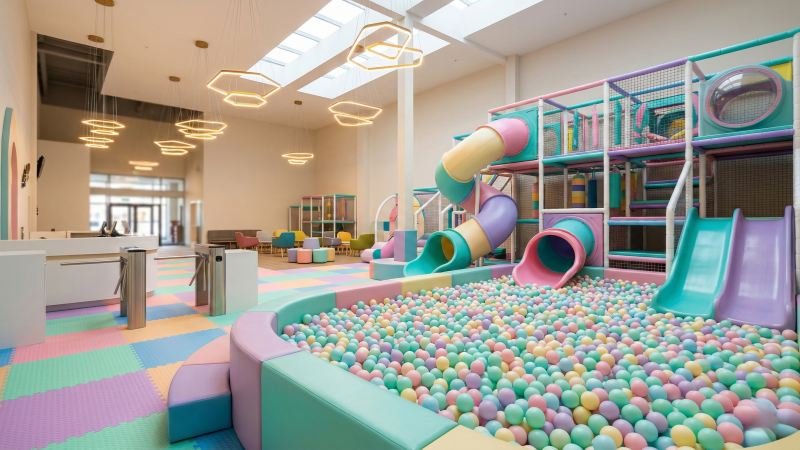
Demographics and Site Selection Criteria
Finding the right building dictates your baseline success. You have to aggressively analyze local community demographics. Your primary target market consists of families with young children. Specifically, look for zip codes with a high concentration of children under ten years old. You also need to scrutinize the median household income. Parents need disposable income to afford daily tickets and premium party packages.
Think of site selection like positioning a modern token arcade. A commercial arcade thrives when placed immediately next to a busy movie theater. Similarly, your indoor playground will succeed near family-oriented anchor tenants. Always aim for retail spaces near popular grocery stores, large daycares, or pediatric dental offices. High visibility from busy roads also drastically reduces your ongoing marketing costs.
Meeting Safety Standards and Building Codes
Signing the lease is just the starting gun. You must immediately focus on passing local building codes. Commercial indoor playgrounds face intense scrutiny from city fire marshals and building inspectors. This means your facility must feature adequate fire exits, proper emergency lighting, and ADA-compliant restrooms.
More importantly, the structures themselves have to meet uncompromising industry safety standards. For example, equipment should adhere to ASTM International guidelines. This ensures safety against entrapment hazards and structural failure. Specifically, the main play frames rely on heavily padded galvanized steel pipes, while the exterior netting uses high-density, fire-retardant PVC materials to prevent rapid fire spread. Failing a sudden fire inspection delays your grand opening and costs thousands of dollars in emergency renovations.
“Strict adherence to safety codes is not optional in the family entertainment industry. Passing your initial city inspections is the most critical hurdle before opening your doors.”
Hiring and Staff Training Essentials
A state-of-the-art facility is dead in the water without a solid operations team. Hiring reliable staff is your final operational hurdle. You need energetic employees who can easily handle loud, high-stress situations.
Your core team will consist of front desk cashiers, dedicated party hosts, and active floor monitors. Think of a playground floor monitor like a commercial trampoline park referee. They do not just stand around and watch the kids. Instead, they actively enforce safety rules and physically prevent overcrowding in specific play zones.
When it comes to training, rigorous safety protocols are non-negotiable. Every single employee should receive basic first-aid and CPR certification. Your staff needs to have emergency evacuation routes, bodily fluid cleanup procedures, and daily equipment inspection protocols down cold.
| Staff Role | Primary Responsibility | Essential Training |
|---|---|---|
| Floor Monitor | Enforce safety rules and monitor equipment | CPR, First Aid, Crowd Control |
| Party Host | Manage birthday events and serve food | Customer Service, Safe Food Handling |
| Front Desk | Process daily admissions and safety waivers | POS Software, Membership Sales |
Conclusion
Building out an indoor playground is a massive undertaking that requires precise planning, significant upfront capital, and a clear understanding of your local market dynamics. Whether you lock into an established franchise or build your own brand from the ground up by sourcing equipment directly, success ultimately comes down to creating a safe, engaging, and highly profitable environment for families. By heavily optimizing multiple revenue streams and adhering to strict safety engineering standards, you can build a thriving family entertainment center. Ready to explore your options or need professional guidance on sourcing premium play equipment? Contact us today.