-
Whatsapp: +86 15516933785
-
Email: hanlin@hanlinplayground.com
-
Address: Shangjie District, Zhengzhou City, Henan Province, China
-
Whatsapp: +86 15516933785
-
Email: hanlin@hanlinplayground.com
-
Address: Shangjie District, Zhengzhou City, Henan Province, China
Where to Buy Indoor Playground Equipment? A Strategic Sourcing Guide for Commercial Businesses
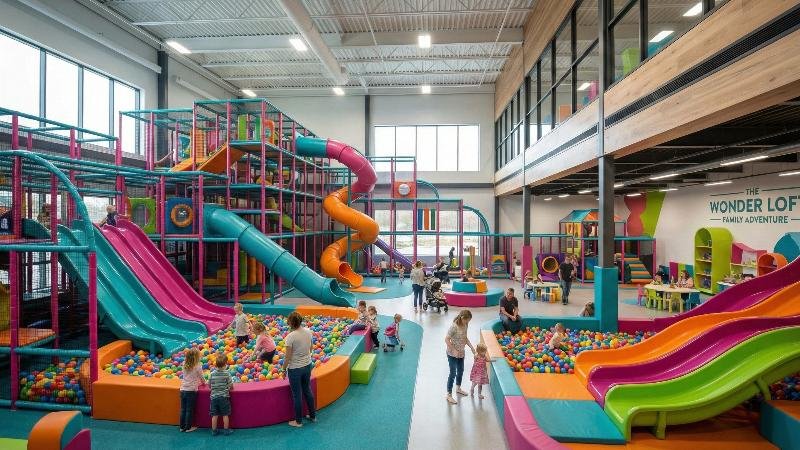
Where is the best place to purchase commercial indoor playground equipment for a business?
The best sources for commercial indoor playground equipment are specialized B2B manufacturers located primarily in China (for cost savings) or domestic distributors in the USA and Europe (for ease of service). Buyers should utilize major trade shows like IAAPA, verify compliance with ASTM F1918 or EN 1176 safety standards, and evaluate suppliers based on past project portfolios and warranty terms.
Deciding Between Domestic Distributors vs. International Manufacturers
Should you source indoor playground equipment from a domestic distributor or purchase directly from an international manufacturer?
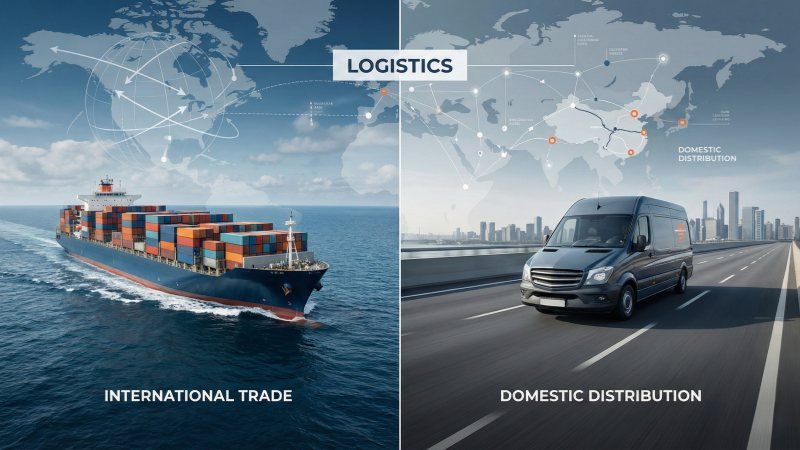
Sourcing from domestic distributors offers faster shipping, easier communication, and local liability protection, though often at a higher premium. Conversely, importing directly from international manufacturers (primarily in China) can reduce equipment costs by 30% to 50%, but this route requires navigating complex logistics, import duties, and significantly longer lead times.
The Pros and Cons of Importing Directly from China
For most commercial indoor playground projects, “international sourcing” effectively means buying from China. This region—specifically the major manufacturing hubs in Zhengzhou, Wenzhou, and Guangzhou—produces a vast majority of the world’s amusement and soft play equipment. The primary motivation for business owners to go this route is cost reduction, which is often the make-or-break factor in determining if an indoor playground is really a profitable business. By bypassing the middleman, you are purchasing closer to the raw material cost.
Advantages of Direct Importing:
- Significant Cost Savings: You avoid the markup added by domestic importers to cover their warehousing, marketing, and overhead. For a large Family Entertainment Center (FEC) with a budget of $100,000, direct importing could potentially save $30,000 to $40,000.
- Customization Freedom: Manufacturers often have larger engineering teams ready to modify standard molds or create entirely unique themes, whereas local distributors might only stock specific “ready-to-ship” modular units.
Disadvantages and Risks:
- Communication Barriers: Time zone differences and language barriers can lead to misunderstandings regarding design specifications. If a tube slide is manufactured with the wrong curvature due to a misread email, correcting it takes weeks.
- Logistical Complexity: You become the importer of record. This means you must handle customs clearance, tariffs, and container transport from the port to your door.
- Quality Control Blind Spots: Unlike buying from a local showroom, you cannot physically inspect the vinyl thickness or steel pipe gauge before the goods leave the factory.
Consider the analogy of sourcing spare parts for your arcade machines. Buying generic buttons directly from a factory yields the lowest price per unit, but if the connectors arrive incompatible with your cabinets, the machines sit idle. Similarly, a playground structure with a manufacturing error can delay your facility’s grand opening by months.
The Benefits of Buying from Local US/European Suppliers
Choosing a domestic supplier does not always mean the equipment is manufactured domestically. Many US and European suppliers are actually “value-added importers.” They manufacture the frames or specialized components locally while sourcing soft pads and plastics from abroad, or they simply import finished goods and subject them to rigorous local Quality Assurance (QA) processes.
Key Benefits:
- Liability and Insurance: This is a critical factor. A domestic supplier operates under local laws. If a structural failure occurs, you have a clear legal path for recourse. Furthermore, your insurance provider may view equipment purchased from a known domestic entity as lower risk.
- Turnkey Service: Domestic suppliers usually offer comprehensive project management. They handle the headache of freight, customs, and offloading.
- Verified Compliance: A reputable local supplier ensures the equipment already meets ASTM (USA) or EN (Europe) standards before it reaches you. You do not have to pay for independent lab testing yourself.
The Cost of Convenience
Naturally, these benefits come with a price tag. You are paying for the supplier’s risk management, warehousing, and staff. However, for first-time operators, this premium often acts as insurance against project failure.
Comparing Lead Times and After-Sales Support
The timeline of your project often dictates your choice of supplier. If you have a signed lease and rent is due in 60 days, your options narrow significantly.
Lead Time Reality:
- International: Production may take 15–30 days, but ocean freight adds another 30–45 days. Including customs clearance and inland trucking, the total cycle can easily exceed 3 to 4 months.
- Domestic: If the supplier has components in stock, lead times can be as short as 2 to 4 weeks. Even for custom orders, domestic fabrication and shipping are generally faster than trans-Pacific freight.
Note: Lead times fluctuate heavily based on seasonal demand and global shipping constraints. Always ask suppliers for a guaranteed “Ready to Ship” date versus a “Delivery” date.
After-Sales and Maintenance
Playground equipment experiences high wear and tear. Deck boards wear out, and netting gets torn.
- Domestic Support: A local supplier can often overnight a replacement clamp or vinyl patch. They may also have local maintenance crews to perform repairs.
- International Support: If a critical component breaks on a direct-import structure, you might wait weeks for a replacement part to fly in. During that time, you must shut down that section of the playground, directly impacting your revenue and customer satisfaction.
| Feature | Domestic Distributor | International Manufacturer |
|---|---|---|
| Initial Cost | High (Premium Pricing) | Low (Factory Direct Pricing) |
| Lead Time | Short (Weeks) | Long (Months) |
| Legal Liability | High Accountability | Difficult to Enforce |
| Spare Parts Access | Fast / Readily Available | Slow / High Shipping Cost |
| Communication | Same Time Zone / Language | Delayed / Language Barrier |
Critical Safety Certifications and Compliance Standards
As a facility owner, how do you verify that the playground equipment you intend to purchase is safe for children and protects your business from liability?
To ensure safety and legality, commercial indoor playground equipment must strictly adhere to ASTM F1918 in the United States or EN 1176 in Europe. These specific standards govern structural integrity, entrapment prevention, and accessibility. Furthermore, all materials must pass flammability tests like NFPA 701 and toxicity screenings such as CPSIA for lead and phthalates. You should always demand a verifiable Certificate of Compliance (CoC) from an accredited third-party lab before finalizing your order.
Verifying ASTM F1918 (USA) and EN 1176 (Europe) Compliance
When you buy indoor playground equipment, you are not just buying plastic tubes and slides; you are buying a compliant system. In the United States, the “bible” for this industry is ASTM F1918. This standard specifically covers “Soft Contained Play Equipment.”
It is distinct from outdoor playground standards (ASTM F1487) because indoor structures function differently. For example, an indoor play structure relies on a steel grid frame wrapped in foam. If a supplier sends you a certificate for “Outdoor Playground Equipment,” it is invalid for your indoor center.
Key Compliance Areas:
- Entrapment Probes: Standards dictate that openings must not trap a child’s head or neck. Inspectors use specific “torso probes” and “head probes” to test every gap.
- Vertical Drop: EN 1176 and ASTM F1918 limit the vertical distance a child can fall inside the structure without hitting a platform.
- Slide Run-outs: The landing area of a slide must be long enough to slow the child down safely.
Think of this like a seatbelt system. A standard lap belt might be sufficient for a slow-moving kiddie coin-op ride, but it is completely inadequate for a high-speed go-kart. Similarly, general toy standards do not cover the high-traffic stress and height risks of a commercial multi-level climbing structure.
Note: Technical requirements for fall zones and barrier heights can vary based on the specific year of the standard (e.g., ASTM F1918-12 vs. F1918-21). Please confirm with your local insurance provider or inspector which version of the standard is currently enforced in your state.
Material Toxicity Reports and Flammability Tests
Safety is not just about falling; it is also about what children touch and breathe. Indoor playgrounds are enclosed spaces. Therefore, fire safety is the single most critical factor for obtaining your occupancy permit.
Flammability Standards
Your local Fire Marshal will likely require documentation proving the equipment is fire-retardant.
- NFPA 701 (USA): This tests how fabrics and films (like the vinyl covering the foam) react to fire. The material must self-extinguish when the flame source is removed. For more details on fire codes, refer to the NFPA guidelines.
- BS 5852 (UK/Europe): A similar standard used widely for furniture and padding in public spaces.
If you import cheap equipment that lacks these treatments, the vinyl functions like solid gasoline during a fire. It melts, drips, and spreads flames rapidly, endangering the entire facility.
Toxicity and Heavy Metals
Children constantly touch the netting and vinyl, often putting their hands in their mouths. You must verify compliance with the CPSIA (Consumer Product Safety Improvement Act). This law restricts:
- Lead: Often found in low-quality vinyl dyes.
- Phthalates: Chemicals used to make plastic soft, which are harmful to child development.
Comparison of Critical Material Tests
| Hazard Type | US Standard | European Standard | What it Tests |
|---|---|---|---|
| Fire | NFPA 701 / ASTM E84 | EN 13501-1 | Flame spread and smoke generation. |
| Lead Content | CPSIA Section 101 | REACH Regulation | Lead levels in surface coatings (paint/vinyl). |
| Soft Plastics | CPSIA Section 108 | EN 71-3 | Presence of harmful phthalates in PVC. |
The Importance of Third-Party Inspections (TUV, SGS)
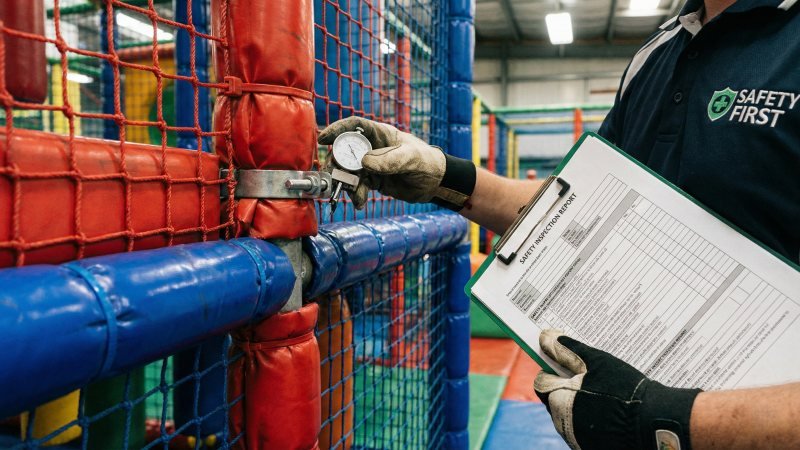
A manufacturer can easily type “We are Safe” on their website. However, self-declaration is not proof. This is where third-party testing agencies like TUV Rheinland or SGS become essential. These are independent global companies that test products in neutral laboratories.
Why Third-Party Validation Matters:
- Objective Testing: TUV will physically stress-test a clamp to see when it breaks. They do not rely on the manufacturer’s theoretical math.
- Factory Audits: These agencies often inspect the factory itself to ensure the production line matches the prototype.
- Insurance Approval: Many liability insurance carriers in the US and Europe will deny coverage if your equipment lacks a certificate from a recognized body like TUV or SGS.
How to Spot Fake Certificates
Unfortunately, in the B2B import market, edited PDF certificates are common.
- Check the Report Number: A real TUV report has a unique ID number. You can verify this number on the TUV website database.
- Check the Product Name: Ensure the certificate lists “Indoor Soft Play,” not “Fitness Equipment” or “Garden Toys.”
- Check the Dates: Standards change. A certificate from 2010 may no longer be valid for a park opening in 2024.
Consider this process similar to a building inspection before you sign a lease for your venue. You wouldn’t trust the landlord saying, “The electrical wiring is perfect.” You would demand a report from a licensed inspector. In the playground industry, TUV and SGS are your licensed inspectors.
How to Evaluate a Manufacturer Capability and Reputation
With hundreds of online suppliers claiming to be “market leaders,” how can you effectively distinguish a capable manufacturing partner from a high-risk middleman or a small workshop?
To accurately evaluate a playground manufacturer, you must audit their portfolio of completed projects to verify that the finished installation matches the initial design. Additionally, request a live video tour of their facility to confirm the ownership of advanced machinery, such as automated powder coating lines and CNC cutting systems. Finally, scrutinize the warranty policy to ensure it offers full replacement coverage for structural components rather than vague pro-rated terms.
Analyzing Past Project Portfolios and Case Studies
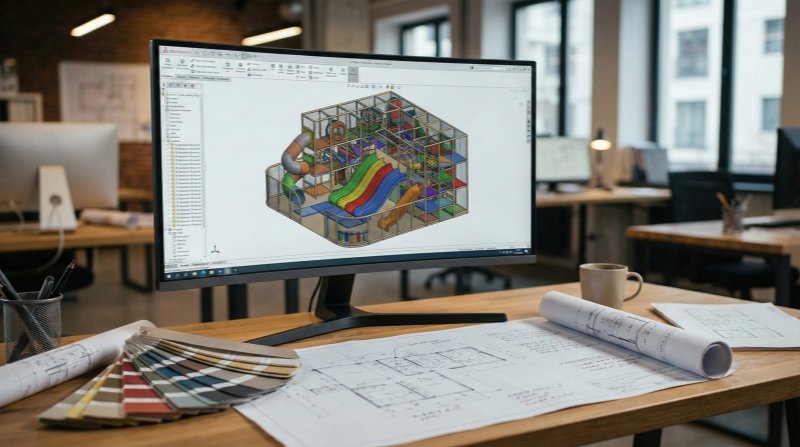
A common trap in this industry is the “Render vs. Reality” gap. Any supplier can hire a freelancer to create beautiful, colorful 3D designs of a playground. However, very few can manufacture and install that design so it looks exactly like the picture.
Verify “Real” Installation Photos
When viewing a supplier’s website, look for photos of the equipment taken on-site, not just digital drawings. You want to see the fit and finish.
- Check the Netting: Is it tight and smooth, or does it look loose and sagging?
- Check the Vinyl: Are the wrinkles minimal? High-quality manufacturing results in smooth, tight vinyl wrapping.
The “Reference Check” Strategy
Do not rely solely on the testimonials posted on their website. Ask the manufacturer for a list of clients they have served in your country within the last 12 months. Contact these business owners directly. Ask them specific questions:
- “Did the equipment arrive with all the correct parts?”
- “How is the vinyl holding up after six months of heavy use?”
- “Did the sales team respond quickly when you had an issue?”
Think of this like vetting a General Contractor to build out your FEC facility. You wouldn’t just look at the blueprints they drew; you would drive by a facility they built two years ago to see if the roof is leaking or the drywall is cracking.
Checking Factory Production Capacity and Technology
Many “manufacturers” on Alibaba or B2B platforms are actually trading companies. They buy parts from small, low-tech workshops and resell them to you. To ensure quality, you need to verify you are dealing with a factory that uses modern automation.
Key Technologies to Look For:
- CNC Cutting Machines: Precision is critical. The wooden deck boards inside the playground must be cut by computer-controlled (CNC) machines. If a factory cuts boards by hand, the platforms may wobble or leave gaps where a child’s foot could get stuck.
- Rotational Molding Ovens: Plastic components (like slides, tubes, and crawl tunnels) must be made via rotational molding. This process ensures the plastic has a uniform thickness. Cheaper “blow molding” methods create weak spots that can crack under the weight of a larger child.
- Automated Powder Coating: The steel pipes must be painted using an automated line. This ensures the anti-rust coating reaches every corner. Hand-spraying often misses spots, leading to rust inside the foam padding.
Note: Manufacturing technologies and machinery brands vary significantly between suppliers in different regions. Always ask your sales representative to provide a video call walk-through of the production floor to verify the specific equipment they will use for your order.
Validating Warranty Terms and Replacement Part Availability
A warranty is only as good as the terms written in the fine print. Many low-end suppliers offer a “5-year warranty” that is practically useless because of exclusion clauses.
The “Pro-Rated” Trap
Avoid warranties that are “pro-rated.” This means the value of the warranty drops every year. For example, if a slide breaks in year three, a pro-rated warranty might only give you a 20% credit toward a new one. You want a Full Replacement Warranty for the duration of the term.
Standard Warranty Expectations
- Metal Structure: Should be covered for 5 to 10 years.
- Plastic Components: Should be covered for 3 to 5 years.
- Soft Parts (Vinyl/Netting): These are “wear items” and usually have a shorter warranty, typically 1 to 2 years.
Spare Parts Availability
Ask the supplier if they keep a stock of standard spare parts. Indoor playgrounds endure heavy abuse. You will eventually need new pipe clamps, zip ties, or netting string.
- Good Supplier: Ships standard clamps the next day.
- Bad Supplier: Has to manufacture a single clamp and ship it from overseas, taking weeks.
Comparing Warranty Structures
| Warranty Feature | Superior Manufacturer | High-Risk Supplier |
|---|---|---|
| Coverage Type | Full Replacement (Free part + shipping) | Pro-rated (You pay a percentage) |
| Metal Frame | 10+ Years | 1-3 Years |
| Exclusions | Clear misuse/vandalism only | “Normal wear and tear” (Vague) |
| Claim Process | Photo verification via email | Requires shipping broken part back |

The Buying Process: From Custom Design to Logistics
Once you have selected a potential manufacturer, what are the specific steps to transform your empty building into a fully functional indoor playground?
The buying process begins with submitting your building’s CAD floor plan for a custom 3D design, followed by negotiating Incoterms (shipping rules) to determine who handles freight and customs duties. Finally, you must coordinate the physical setup, choosing between a full professional installation crew or a factory-guided self-installation to ensure the structure is safe and secure.
Navigating the 3D Design and Floor Plan Customization Phase
Unlike buying a standard arcade machine that you simply plug in, buying a playground is a construction project. It must fit your specific building perfectly. Therefore, the process starts with your floor plan.
The Role of CAD Files
You need to send the manufacturer an AutoCAD (DWG) file of your facility. This file shows the exact dimensions, column locations, and entryways. If you only send a hand-drawn sketch, the final equipment might hit a support pillar during installation.
Balancing “Playability” vs. Aesthetics
Designers often prioritize how the playground looks in the 3D render over how fun it is. They might pack the design with colorful obstacles that look impressive but clutter the traffic flow.
- Traffic Flow: Ensure there are clear paths for children to run up and slide down without bottlenecks.
- Visibility: As an operator, you must see into the structure. Avoid blind spots where children could hide or get bullied.
Note: Most manufacturers offer free design revisions, but the number of allowed changes varies (typically 3 to 5 rounds). Please confirm the revision policy with your designer before starting to avoid unexpected fees.
Think of this phase like designing the layout for an indoor mini-golf course. You don’t just drop obstacles randomly; you must calculate the flow of the players and the path of the ball. Similarly, a custom 3D design must be engineered for the flow of children to prevent congestion and accidents.
Understanding Shipping Terms (FOB vs. DDP) and Import Duties
Shipping a 40-foot container from overseas is not like restocking plush toys for your prize counter. You need to understand Incoterms (International Commercial Terms). These terms define who pays for shipping and who is liable if the ship sinks.
Common Shipping Terms:
- EXW (Ex Works): You are responsible for everything. You must hire a truck to pick up the goods from the factory door in China. This is risky for beginners.
- FOB (Free On Board): This is the industry standard. The factory pays to get the container onto the ship. You take over responsibility from there, paying for the ocean freight and insurance.
- CIF (Cost, Insurance, and Freight): The supplier pays to get it to your local port. However, you still have to handle customs and trucking to your building.
- DDP (Delivered Duty Paid): The “VIP” service. The supplier handles everything, including taxes and delivery to your door. It is the easiest but most expensive option.
The Hidden Cost: Import Duties
You must pay taxes to your government when the goods arrive. In the playground industry, equipment usually falls under HS Code 9506.99 (Articles for Equipment for General Physical Exercise).
- Tariffs: Depending on trade wars or trade agreements, tariffs can range from 0% to 25% of the invoice value.
- Port Fees: Even if shipping is “free,” the port charges fees to lift the container off the ship.
| Term | Factory Responsibility | Buyer Responsibility | Best For… |
|---|---|---|---|
| EXW | Packing goods only | Pickup, Export, Ocean, Import, Delivery | Experts with their own logistics agents. |
| FOB | Transport to export port | Ocean freight, Insurance, Import, Delivery | Most buyers (Balances cost and control). |
| DDP | Everything to your door | Unloading the truck | First-time buyers who want zero hassle. |
Installation Options: Professional Crew vs. Guided Self-Assembly
The equipment arrives in hundreds of loose pieces—steel pipes, clamps, foam pads, and netting. Putting it together is a massive puzzle. You generally have three choices.
1. Full Professional Installation (Turnkey)
The manufacturer sends their own crew to your country. They build everything.
- Pros: It is fast, and the warranty is guaranteed because their experts built it.
- Cons: It is expensive. You must pay for their airfare, hotels, visas, and daily wages (often $100-$200 per person/day).
2. Supervised Installation (The Hybrid Model)
The factory sends one engineer to guide your local workers.
- Pros: Saves money on travel costs. The engineer reads the blueprints, and your cheaper local laborers do the heavy lifting.
- Cons: If your local workers are slow or unskilled, the project drags on, increasing the engineer’s daily fees.
3. Self-Assembly (Guided)
You hire local contractors or handymen to build it using the manual.
- Pros: Lowest upfront cost.
- Cons: Extremely risky. If a local contractor fails to tighten a clamp correctly and the structure wobbles, the manufacturer will void the warranty.
Analogy:
- Full Install: Hiring a certified team to install a bowling alley system.
- Self-Assembly: Buying a complex lighting truss and trying to assemble it with general laborers.
For commercial liability reasons, Supervised Installation is often the smartest balance of cost and safety for mid-sized projects.
Top Recommended Channels to Locate Suppliers
Where can a business owner efficiently find legitimate manufacturers of indoor playground equipment without falling for scams or middlemen?
The most effective channels for locating reputable suppliers are major industry trade shows like IAAPA and the Canton Fair, which allow for physical product inspection. Additionally, you can utilize verified B2B marketplaces such as Alibaba and Made-in-China.com for digital sourcing, or conduct targeted search engine queries to find direct manufacturer websites that display comprehensive project portfolios.
Major Industry Trade Shows (IAAPA, Canton Fair)
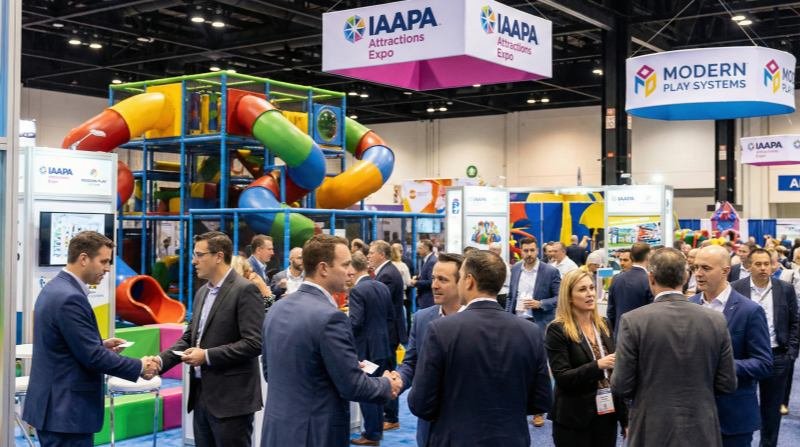
Attending a trade show is the “Gold Standard” for sourcing. Unlike browsing a website, a trade show allows you to physically touch the vinyl, shake the steel frame to test stability, and meet the company owners face-to-face.
IAAPA Expo (International Association of Amusement Parks and Attractions)
This is the premier global event for the attractions industry. Held annually in Orlando, Florida (and other global locations), IAAPA features the largest manufacturers in the world.
- Target Audience: Buyers looking for premium, high-end designs and cutting-edge technology.
- The Experience: You will see fully assembled playgrounds on the show floor. You can assess the stitching quality on the soft pads and the thickness of the fiberglass slides immediately.
The Canton Fair (China Import and Export Fair)
Held in Guangzhou, China, twice a year, this is the world’s largest trade fair.
- Target Audience: Buyers focused on direct-importing and price negotiation.
- The Benefit: You can visit fifty different playground booths in one day. Afterward, you can often arrange to visit the factories immediately, as many are located in nearby industrial hubs like Wenzhou or Guangzhou. The Canton Fair is ideal for those looking to compare multiple suppliers quickly.
Note: Trade show dates, booth locations, and exhibitor lists change annually. Always verify the specific exhibition schedule on the official organizer’s website before booking your travel.
Comparing the Two Giants
| Feature | IAAPA Expo | Canton Fair |
|---|---|---|
| Primary Location | USA (Orlando) / Europe / Asia | China (Guangzhou) |
| Supplier Type | Premium Brands & Innovators | Mass Manufacturers & Exporters |
| Cost Level | High (Premium Equipment) | Low to Mid (Budget Friendly) |
| Best For… | Networking & Seeing Trends | Bulk Ordering & Factory Visits |
Verified B2B Marketplaces and Online Directories
If you cannot travel, B2B marketplaces are your digital catalog. However, these platforms are crowded with traders posing as factories. You must use the platform’s verification tools to filter the results.
Alibaba.com & Made-in-China.com
These are the two dominant platforms for sourcing industrial equipment.
- Look for “Verified” Tags: On Alibaba, filter your search for “Verified Supplier.” This means a third-party inspection agency (like SGS or Intertek) has physically visited the location and confirmed it is a factory, not just a rented office.
- Review Transaction History: Look at the supplier’s profile to see how many transactions they have completed in the last six months. A playground manufacturer with zero recent transaction history is a red flag.
- Trade Assurance: Use the platform’s payment protection systems. If the supplier refuses to use the platform’s secure payment method and asks for a direct wire transfer to a personal bank account, stop the negotiation.
Consider this similar to browsing a digital trade show directory versus walking the floor. The “Verified” badge is your assurance that the exhibitor actually exists, whereas an unverified listing is just a flyer that could be from anyone.
Direct Manufacturer Brand Websites
Many top-tier manufacturers do not rely heavily on B2B marketplaces because they have their own established sales channels. Finding them requires specific search strategies.
Advanced Search Tactics
Generic searches like “buy playground” will only show you ads for local distributors. To find the source, you need to use specific industry terms.
- Search by Component: Try searching for specific technical parts, such as “indoor playground clamp manufacturer” or “rotational molding slide factory.” Real manufacturers list these technical specs; middlemen usually do not.
- Image Search: If you see a design you like on a general marketplace, use Google Lens to search for that image. You will often find that the image was stolen from a legitimate manufacturer’s website. Tracing it back leads you to the real source.
Analyzing the “About Us” Page
Once you land on a manufacturer’s direct site, check their “About Us” or “Factory Tour” page.
- Real Factory: Shows photos of the production line, workers welding frames, and raw materials stacked in a warehouse.
- Middleman: Uses stock photos of smiling people in suits or generic office buildings.
By going directly to the brand website, you often get better pricing because you are not paying the commission fees associated with B2B platforms. However, you must be more diligent in your due diligence since there is no platform to mediate disputes.
Conclusion
Purchasing indoor playground equipment is a substantial investment that requires a delicate balance between cost, safety, and reliability. Whether you choose to work with a local distributor for peace of mind or import directly from a Chinese manufacturer for budget efficiency, the success of your facility depends on rigorous due diligence.
By adhering to critical safety standards like ASTM F1918 and EN 1176, thoroughly vetting manufacturers through video inspections and portfolio analysis, and understanding the logistics of international trade, you can mitigate the risks associated with sourcing. Remember that in the family entertainment industry, the safety of the children is your primary product; compromising on equipment quality is never a viable cost-saving strategy.