-
Whatsapp: +86 15516933785
-
Email: hanlin@hanlinplayground.com
-
Address: Shangjie District, Zhengzhou City, Henan Province, China
-
Whatsapp: +86 15516933785
-
Email: hanlin@hanlinplayground.com
-
Address: Shangjie District, Zhengzhou City, Henan Province, China

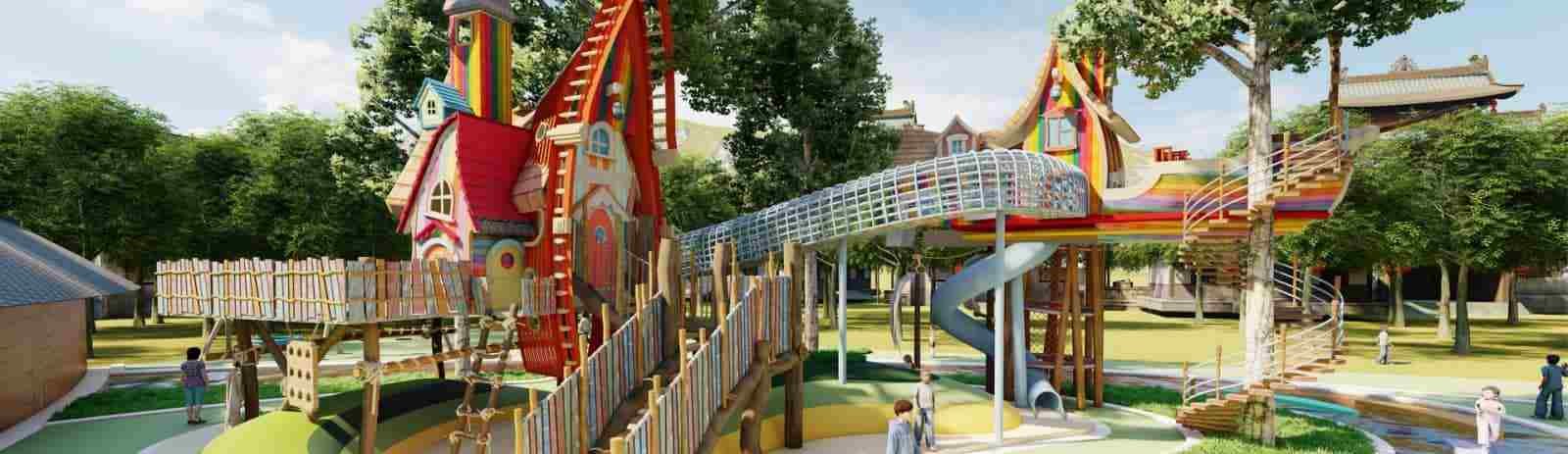
6 Effective Strategies to Increase Visitors to Your Museum
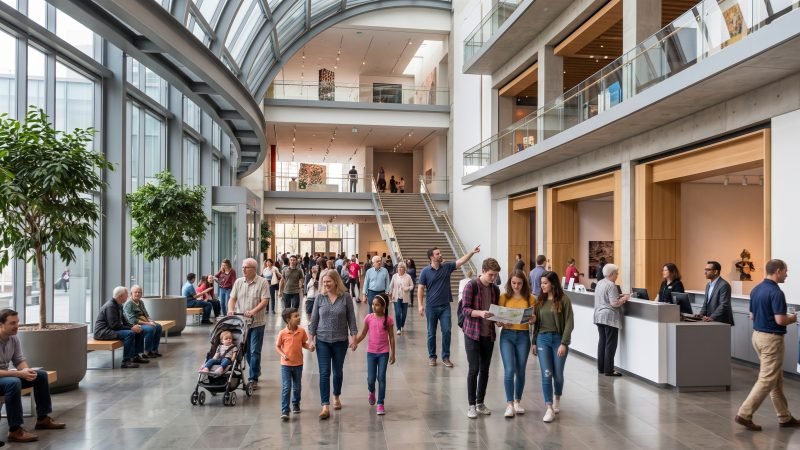
How can cultural institutions effectively reverse declining attendance and consistently attract larger, more diverse crowds to their exhibitions?
Museums can significantly increase their visitor numbers by implementing a comprehensive strategy that combines digital SEO optimization, modern interactive technologies, strategic local partnerships, accessible wayfinding, automated retention programs, and dedicated indoor play spaces for families.
Maximize Online Discoverability Through Local SEO
How can museums effectively use search engines to attract more foot traffic from nearby tourists and local residents?
Here’s the baseline: museums must optimize their Google Business Profile with accurate location data and current operating hours. Second, they must publish localized website content to capture high-intent search queries regarding specific local exhibitions.
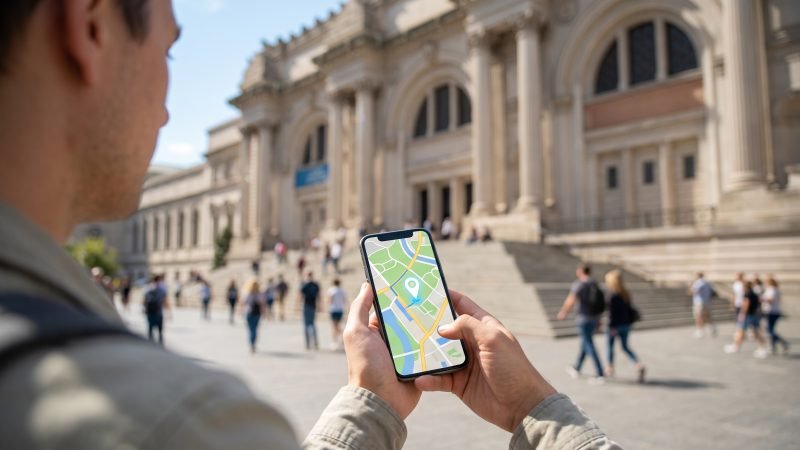
Optimize the Google Business Profile for Tourist Searches
Are tourists easily finding your museum when they arrive in your city? Many travelers rely entirely on digital map applications to plan their daily itineraries. That means a verified and optimized profile is non-negotiable. Just as prominent street signage directs physical foot traffic into an exhibition hall, an optimized digital profile points online traffic straight to your ticket counter. Think of it this way: your profile is your digital front door.
Search engines prioritize local listings that provide complete and helpful information. Specifically, profiles with updated photos, accurate categories, and active reviews rank much higher in local search results. Industry data indicates that listings with recent photos receive significantly more requests for driving directions. And let’s be honest, keeping your seasonal hours updated prevents visitors from arriving at closed doors and leaving frustrated reviews.
| Profile Feature | Standard Setup | Optimized Setup |
|---|---|---|
| Categories | “Museum” only | “Art Museum,” “Tourist Attraction,” “History Museum” |
| Operating Hours | Standard weekly hours | Updated holiday, weekend, and special event hours |
| Visual Assets | One exterior building photo | High-quality interior gallery and exhibit photos |
Since digital platform features change frequently, always check the provider’s official guidelines for image resolutions and category updates. By keeping this information accurate, you build trust with both the search algorithms and your potential visitors.
Capture High-Intent Traffic with Localized Content
Why target broad search terms when you can capture visitors who are ready to buy tickets today? High-intent traffic consists of internet users actively looking for a physical destination to visit this weekend. For example, a search for “dinosaur fossil exhibit near me” shows high commercial intent. On the flip side, a search for “history of dinosaurs” is merely informational. That’s why your website must aggressively target these commercial, location-based search queries.
Think of localized content like a targeted exhibition catalog. Instead of broadcasting a general message, it hands the exact right information directly to an interested patron. To execute this, you need to create specific, dedicated landing pages for each of your exhibits.
Keyword Targeting for Exhibitions
Focus heavily on location-based keywords throughout your website. Include the name of your city, county, or specific neighborhood frequently within the page text. This directly connects your museum to local tourism searches. Don’t overlook the logistics, either: clearly list ticket prices, parking instructions, and nearby transit stops on these specific pages.
- Use terms like “things to do in [City Name]” in your blog posts.
- Mention famous local landmarks that are close to your building.
- Write detailed descriptions of both permanent collections and temporary installations.
Beyond that, nailing down common visitor questions on these pages reduces friction and keeps bounce rates low. Bottom line? This content strategy directly drives online ticket sales and daily visitor attendance.
Modernize the Experience with Interactive Technologies
How can museums leverage modern digital tools to dramatically increase ticket sales and draw larger, tech-savvy crowds?
Museums can significantly boost attendance by implementing augmented reality (AR) and smartphone-based audio guides. These interactive technologies transform passive observation into active participation, creating highly shareable experiences that attract younger demographics and encourage current visitors to recommend the exhibit to others.
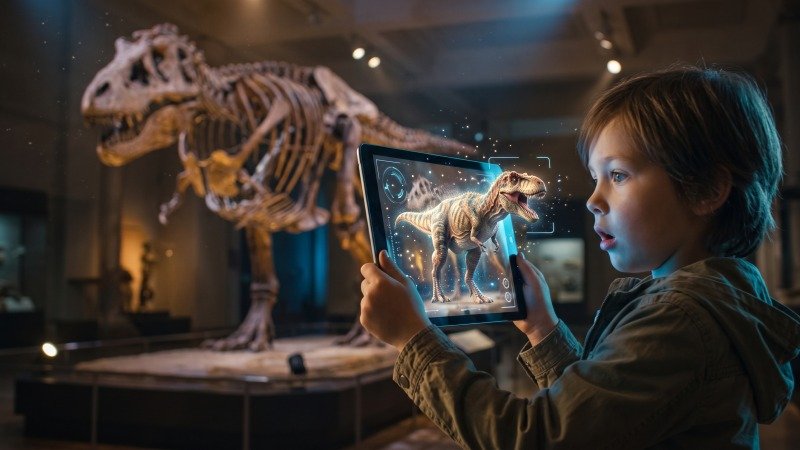
Enhance Storytelling Using Augmented Reality
Have you ever watched a visitor glance at a valuable artifact and walk away after just five seconds? Traditional static placards often fail to capture attention. Augmented Reality (AR) solves this problem by bringing history and art to life.
Think of AR as a dynamic, digital diorama. Instead of looking at a dusty physical model behind glass, visitors use digital screens to see animations overlaid on real objects. For example, when visitors point a tablet at a dinosaur skeleton, AR can show the creature fully fleshed out and moving. This visual transformation creates a stunning “wow” factor. When that happens, visitors naturally want to pull out their phones to take photos, record videos, and share the experience online. This organic sharing acts as free advertising. The result? A steady pipeline of new visitors ready to experience the magic themselves.
Driving Attendance Through Social Proof
Interactive exhibits directly influence visitor behavior and word-of-mouth marketing. According to exhibit design surveys, adding interactive digital elements can increase visitor dwell time by up to 30%. When people stay longer, they engage deeper and leave better reviews.
“Interactive storytelling shifts the museum from a static storage space to an active, shareable learning environment.”
But let’s talk logistics. AR requires serious technical bandwidth. The 3D models need to render smoothly without lagging. Because rendering capabilities and polygon limits vary widely depending on the chosen software platform, it is recommended to verify the exact rendering specifications with your app development supplier to ensure a seamless visual experience.
Deploy Touchless Audio Guides via Visitor Smartphones
Why force visitors to wait in line to rent clunky, outdated equipment? By deploying touchless audio guides, you allow visitors to use their own smartphones. They simply scan a QR code or tap an NFC (Near Field Communication) tag to instantly access audio content.
Consider the traditional rented audio wand. Managing those wands is like constantly repairing delicate, interactive exhibit props—it’s a massive drain on your floor staff. By shifting to a “Bring Your Own Device” (BYOD) model, you instantly eliminate these hardware bottlenecks. This streamlines the guest experience right at the entrance, moving crowds into the paid exhibition areas much faster.
Expanding Your Audience with Multilingual Content
Touchless guides directly increase your potential visitor pool. Traditional hardware has limited storage capacity for different languages. In contrast, cloud-based smartphone guides can host dozens of languages simultaneously. Suddenly, you’re positioned to market your museum to international tourist groups without worrying about device memory limits.
| Feature | Traditional Audio Wands | Touchless Smartphone Guides |
|---|---|---|
| Hardware Cost | High initial purchase and repair | Zero (Visitors use own devices) |
| Hygiene | Requires constant sanitization | Completely touchless and safe |
| Content Updates | Slow manual downloading required | Instant cloud-based updates |
| Language Capacity | Limited by device memory | Unlimited cloud hosting |
Proper tag placement ensures visitors can access the stories effortlessly, making their visit memorable and highly recommendable.
Build Strategic Partnerships within the Local Ecosystem
Are you leaving money on the table by operating in a silo? To steadily increase daily visitor numbers, museums must look beyond their own walls and tap into the existing tourist networks already operating in their local ecosystem.
Museums can significantly increase their visitor traffic by building strategic partnerships with nearby hotels, other local attractions, and city tourism boards. By creating bundled ticket packages and participating in joint promotional campaigns, museums directly capture travelers who are already spending money in the local area.
Create Ticket Bundles with Nearby Hotels and Attractions
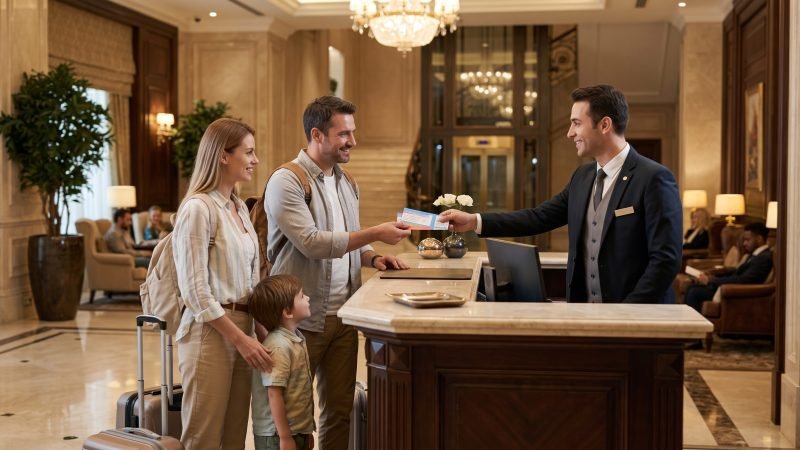
Tourists want maximum convenience when planning their vacations. If you want their business, you need to make visiting your museum frictionless. You can achieve this by creating joint ticket bundles with nearby hotels and other popular cultural attractions.
Think of a ticket bundle like a curated traveling exhibition. Instead of forcing a curator to source individual artifacts from dozens of separate private collections, a traveling exhibition provides a complete, pre-packaged experience. Similarly, a bundled ticket gives tourists a complete, pre-packaged itinerary for their day. They pay one price and get a seamless adventure.
When a family books a hotel room, they immediately look for nearby activities. If your museum offers a joint ticket directly through the hotel concierge, you instantly capture that captive audience. Take it a step further: partnering with a complementary attraction, like a local botanical garden or science center, effectively doubles your marketing reach.
| Ticketing Strategy | Visitor Effort Required | Perceived Value | Marketing Reach |
|---|---|---|---|
| Stand-Alone Tickets | High (Must research and buy separately) | Standard | Limited to own audience |
| Bundled Tickets | Low (One single purchase for multiple sites) | High (Often includes a slight discount) | Shared across all partners |
To successfully sell these bundles online, ensure your ticketing systems can seamlessly communicate with your partners’ systems via API to prevent booking errors and ensure smooth entry for your guests.
Collaborate with City Tourism Boards for Joint Promotion
City tourism boards spend millions of dollars advertising your destination. Why not leverage their massive marketing budgets to increase your own visitor numbers? By collaborating with these destination marketing organizations, you gain free access to a much larger global audience.
Step one is ensuring your museum is prominently featured in all official visitor guides and city maps. Travelers frequently pick these physical guides up at airports and regional visitor centers. From there, get involved in city-wide promotional events. For example, many cities host an annual “Museum Month” that offers discounted entry across the region. Industry data shows that participating in these coordinated regional campaigns historically increases average daily attendance across all participating venues.
“Aligning with city tourism boards transforms your museum from a standalone venue into an essential piece of the regional cultural identity.”
Furthermore, tourism boards often host familiarization trips for international travel writers. By offering free access and guided tours to these visiting journalists, your museum can earn valuable coverage in global travel magazines. The payoff is a steady stream of new visitors driven directly to your exhibitions by authoritative third-party exposure.
Optimize Wayfinding to Improve the Physical Journey
Navigational confusion quickly leads to visitor fatigue, making clear and intuitive wayfinding absolutely crucial for a positive museum experience.
Museums can significantly improve the physical visitor journey by implementing intuitive digital and physical signage, alongside comprehensive accessibility upgrades. These wayfinding improvements eliminate frustration and ensure that every guest can fully access and appreciate the exhibitions comfortably.
Implement Intuitive Digital and Physical Signage
Have you ever felt lost inside a massive gallery? This lost feeling quickly causes “museum fatigue.” Visitors get tired when they have to think too hard about where to go next. That makes clear, intuitive signage mission-critical for keeping guests engaged and moving smoothly.
Think of wayfinding like a well-curated exhibition floor plan. A good floor plan naturally guides the visitor’s eye from one masterpiece to the next without them having to guess where to look. Similarly, proper physical signage directs human flow smoothly from the entrance hall all the way to the exit. To execute this effectively, museums must combine static physical signs with modern digital kiosks.
Combining Digital and Static Signs
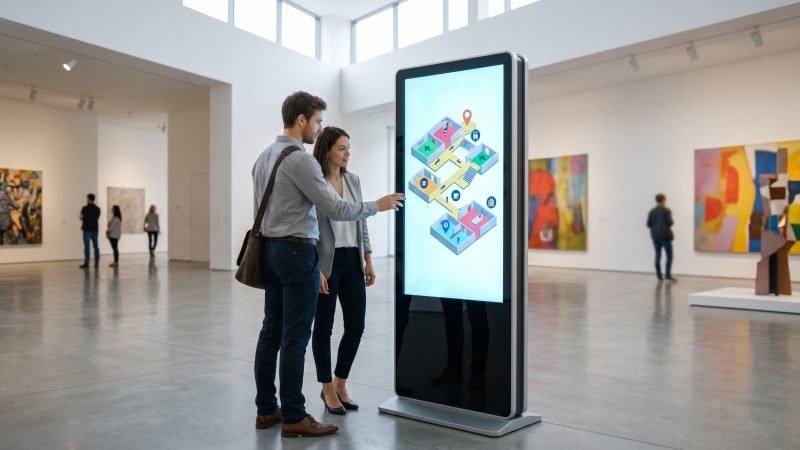
Digital kiosks placed at major intersections can display interactive maps. These allow guests to search for specific exhibits. At the same time, physical overhead signs provide instant, quick direction down long corridors without requiring guests to stop and interact with a screen.
| Signage Type | Primary Function | Ideal Placement |
|---|---|---|
| Interactive Digital Kiosks | Custom route planning and exhibit search | Main lobbies and major hallway intersections |
| Overhead Hanging Banners | Quick directional guidance for crowds | Long corridors and exhibition entrances |
| Static Wall Plaques | Identifying specific rooms and facilities | Directly outside restrooms and gallery doors |
When installing digital maps, ensure the screen brightness and glare resistance are adequate to remain highly readable even under intense, direct gallery track lighting.
Upgrade Accessibility to Accommodate All Demographics
Why limit your potential audience by ignoring physical barriers in your building? What happens when a visitor with a stroller or a wheelchair can’t easily navigate your second floor? They simply don’t return, and they certainly don’t recommend your venue to others. Accessibility isn’t just a compliance checklist—it’s directly tied to your visitor attendance and revenue.
Think of accessibility upgrades like proper archival framing for a historical document. High-quality framing ensures the artifact is safely exposed to all viewers without causing damage. Likewise, proper physical accessibility ensures your exhibits are safely exposed to all demographics, regardless of their physical mobility. This means providing clear wheelchair ramps, wide gallery aisles, and reliable elevators.
Expanding Your Audience Through Inclusive Design
This also means adding braille to your room markers and providing sensory-friendly quiet zones. Industry case studies show that museums with comprehensive accessibility compliance see a measurable increase in visits from multi-generational families. When grandparents with walkers, parents with strollers, and young children can all travel together easily, the whole family visits more often.
“A truly welcoming cultural institution removes physical barriers before a visitor even has to ask for help.”
Don’t overlook the basics, either: seating needs to be frequent. Walking on hard museum floors is physically tiring for everyone. By placing benches in every single gallery, you encourage visitors to rest. When they can rest, they stay longer. At the end of the day, an accessible and comfortable space naturally draws a wider, more diverse crowd.
Launch a Data-Driven Visitor Retention Program
How can museums effectively use guest data to turn a one-time ticket buyer into a lifelong patron?
Museums can build a robust visitor retention program by utilizing customer relationship software to automate post-visit communication and by structuring tiered membership levels. These systems capture guest data to actively request online reviews and offer escalating loyalty perks, consistently driving repeat attendance.
Automate Post-Visit Emails to Drive Online Reviews
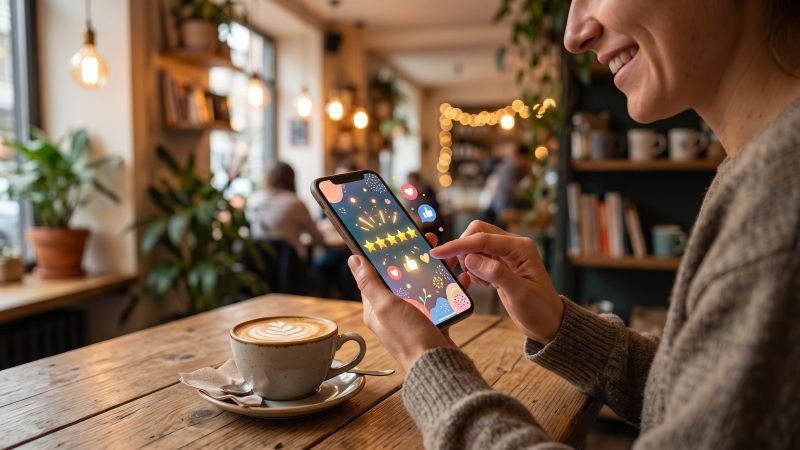
Are you politely asking your guests to share their positive experiences online, or are you leaving it up to chance? Many visitors leave happy but simply forget to write a review. Automated post-visit emails solve this problem entirely. These emails remind guests to share their thoughts while the memory is still highly fresh.
Think of an automated email sequence like a highly organized museum archivist. An archivist carefully catalogues each artifact to ensure it is never lost in storage. Similarly, an automated email system actively catalogues each visitor’s contact information to ensure their experience is never forgotten. It automatically follows up with every single guest.
The Impact of Timely Follow-Ups
Industry benchmarks show that museums sending automated follow-up emails within 24 hours see a significant increase in online reviews. More five-star reviews directly attract more future visitors.
- Send a simple “Thank You” email exactly one day after the visit.
- Include a direct link to your local search or travel review profile.
- Offer a 10% discount code for their next ticket purchase.
Connecting your ticketing software to your email marketing platform guarantees your messages reach your visitors efficiently, keeping your museum at the top of their minds long after they exit through the gift shop.
Structure Tiered Memberships to Cultivate Local Loyalty
Why offer only one type of membership when your visitors have vastly different needs? A generic, one-size-fits-all membership often fails to attract a wide audience. To cultivate true local loyalty, you must offer tiered memberships. Tiered options allow locals to choose a package that fits their specific budget and lifestyle.
Treat tiered memberships like different exhibition access levels. Just as general admission grants basic entry, a basic membership offers standard access. Meanwhile, higher membership tiers provide exclusive, behind-the-scenes privileges. This structured approach creates a clear path for guests to upgrade their financial support over time.
| Membership Tier | Target Audience | Key Perks and Benefits |
|---|---|---|
| Individual | Solo art lovers and students | Unlimited general admission, 10% gift shop discount |
| Family | Parents with young children | Admission for four, priority access to family workshops |
| Benefactor | Philanthropists and local leaders | VIP exhibit previews, private curator tours, guest passes |
“A structured membership program transforms seasonal tourists into a reliable, year-round community of supporters.”
When local residents hold active memberships, they visit much more frequently. They often drop in for just an hour on a rainy weekend. More importantly, they frequently bring paying out-of-town guests with them. That means a well-structured membership program is your best hedge against slow off-season months.
Install Indoor Play Equipment to Attract Families
How can museums effectively capture the lucrative family demographic and convince parents to choose their venue over a traditional amusement park?
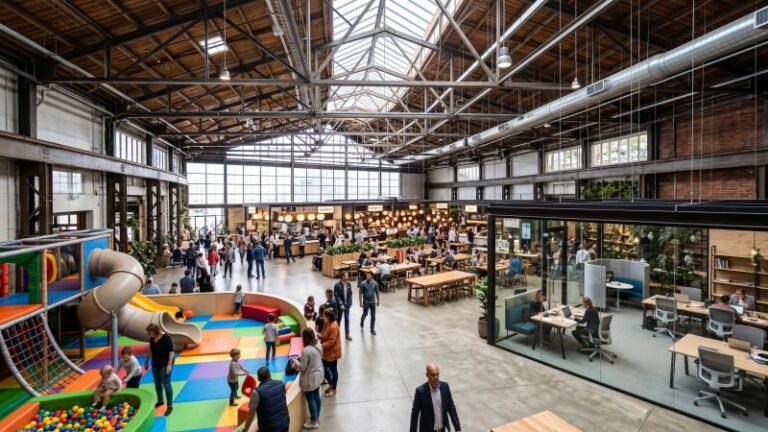
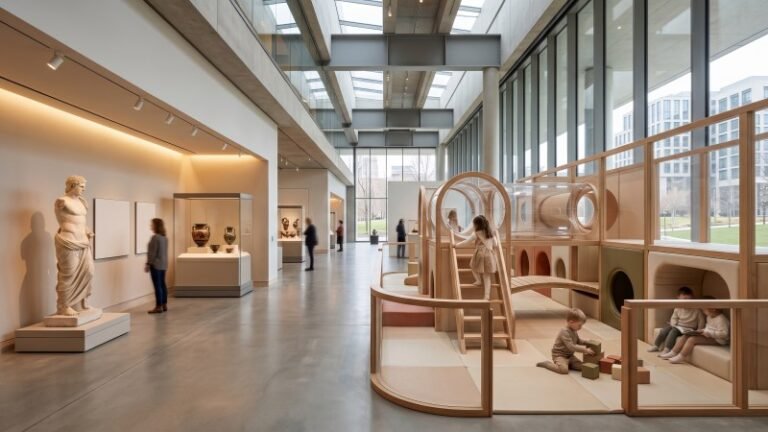
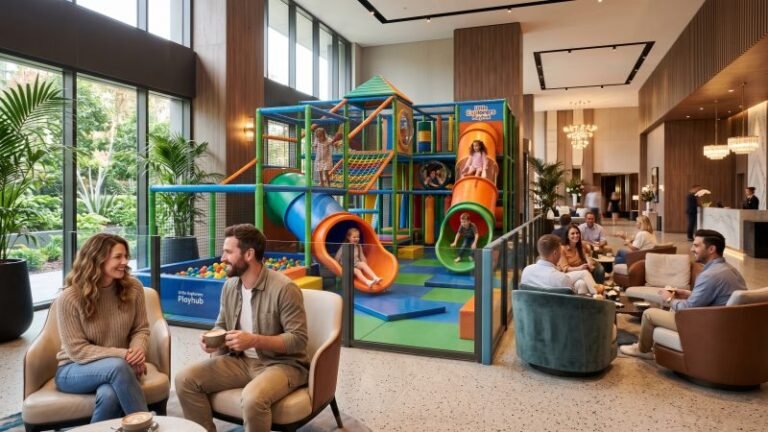
Museums can significantly boost family attendance by installing dedicated indoor play equipment. These physical play areas provide a necessary outlet for children’s energy. They transform a quiet environment into a highly popular, family-friendly destination that drives repeat visits and higher ticket sales.
Design Themed Play Areas that Align with Museum Exhibits
Why install a generic plastic slide when you can build a prehistoric climbing adventure? A museum play area should never feel like a fast-food restaurant playground. It needs to act as a physical extension of your educational galleries. By designing themed indoor play equipment, you blend physical activity with immersive learning.
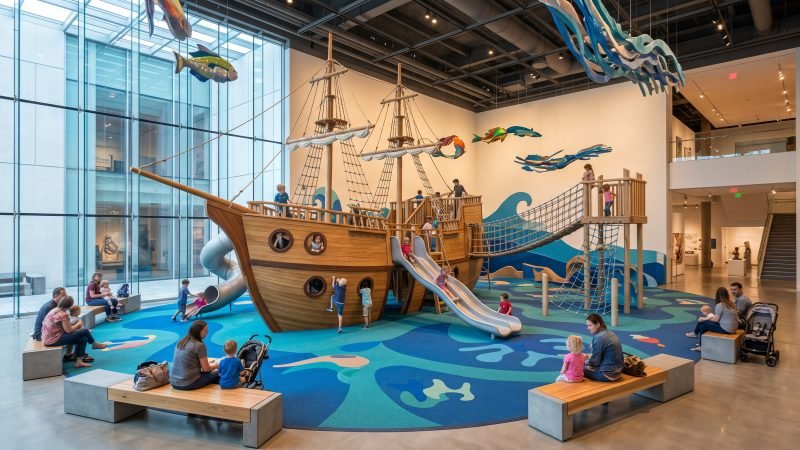
Think of a themed play area like a life-sized, climbable diorama. A traditional diorama uses miniature figures to show a historical scene behind glass. Similarly, a themed playground places children directly inside that historical scene. For example, a maritime museum might feature a massive, multi-level pirate ship climbing structure. Meanwhile, a science center could install a playground shaped like a giant DNA double helix. This intentional design keeps children engaged with the museum’s core subject matter while they burn off energy.
Aligning Materials with Safety and Aesthetics
When designing these spaces, the visual design must match your specific gallery aesthetics. On the operational side, the structural materials have to meet rigorous commercial safety standards. Maximum weight capacities, fire-retardant ratings, and material durability vary widely between different playground manufacturers. Make no mistake, you need to verify the exact safety specifications with your equipment supplier before installation. This critical step ensures the structure is perfectly safe for high daily traffic.
Leverage Interactive Structures to Extend Visit Duration
Do families frequently leave your building after just one hour because the children become restless? “Museum fatigue” hits young children very quickly. They simply cannot walk quietly through silent galleries for long periods. Interactive play structures directly solve this problem. These spaces allow children to safely expend physical energy without disrupting other patrons.
When children have a dedicated place to play, the entire family stays much longer. Parents can sit on nearby benches and rest their feet. That quick break effectively resets the family’s energy levels. After playing, they are often willing to explore another gallery wing. Industry data reveals that museums with physical play zones increase their average family dwell time by up to 40%.
“A well-placed physical play structure extends the family visit, directly increasing secondary spending in cafes and gift shops.”
| Visitor Metric | Without Play Equipment | With Indoor Play Equipment |
|---|---|---|
| Average Family Dwell Time | 1.5 Hours | 2.5+ Hours |
| Child Engagement Level | Drops quickly after 45 minutes | Sustained through physical breaks |
| Secondary Spending (Cafe/Shop) | Lower (Families leave when tired) | Higher (Families stay for meals/snacks) |
Let’s look at the secondary benefits: longer visits naturally lead to hungry visitors. That translates directly into lunch sales at your museum cafe. They are also more likely to browse your gift shop before leaving. By investing in physical play spaces, you secure a highly profitable, loyal family audience.
Conclusion
Wrapping this up, driving real growth in your museum’s visitor numbers isn’t about one magic bullet—it takes a seamless blend of digital optimization, strategic local partnerships, and targeted physical upgrades. By capturing online traffic through local SEO, integrating modern storytelling technologies, and providing specialized areas like indoor play spaces for families, you transform a traditional exhibition space into a dynamic, highly appealing destination for a diverse modern audience. Implementing these cohesive strategies ensures steady foot traffic and fosters long-term community loyalty.