-
Whatsapp: +86 15516933785
-
Email: hanlin@hanlinplayground.com
-
Address: Shangjie District, Zhengzhou City, Henan Province, China
-
Whatsapp: +86 15516933785
-
Email: hanlin@hanlinplayground.com
-
Address: Shangjie District, Zhengzhou City, Henan Province, China

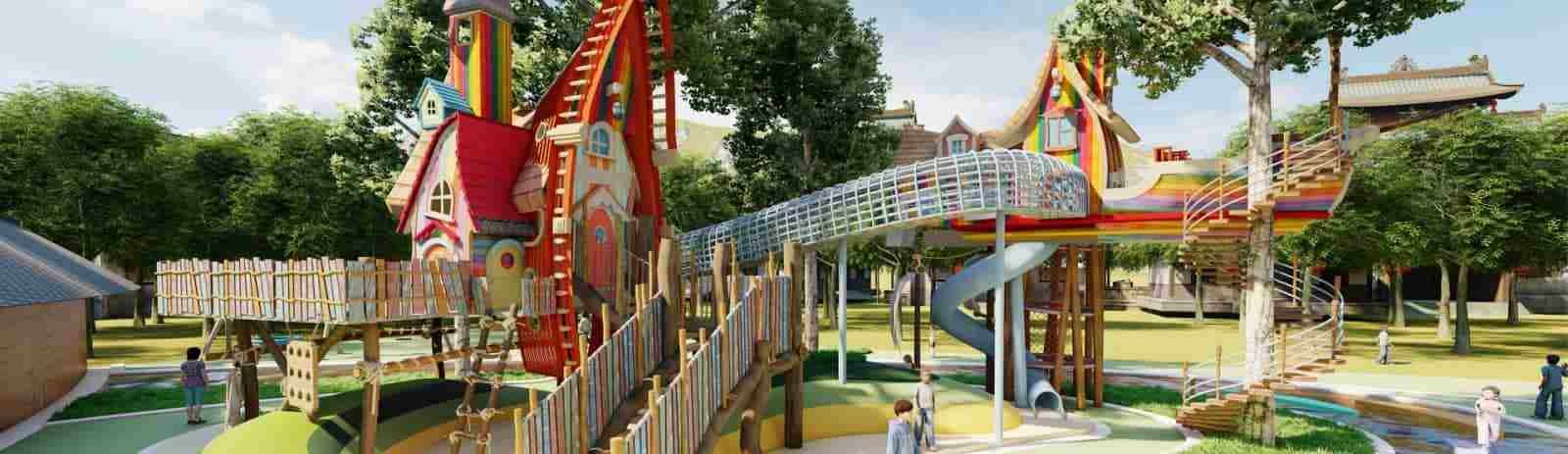
How Does Play Therapy Build Happy, Healthy Kids?
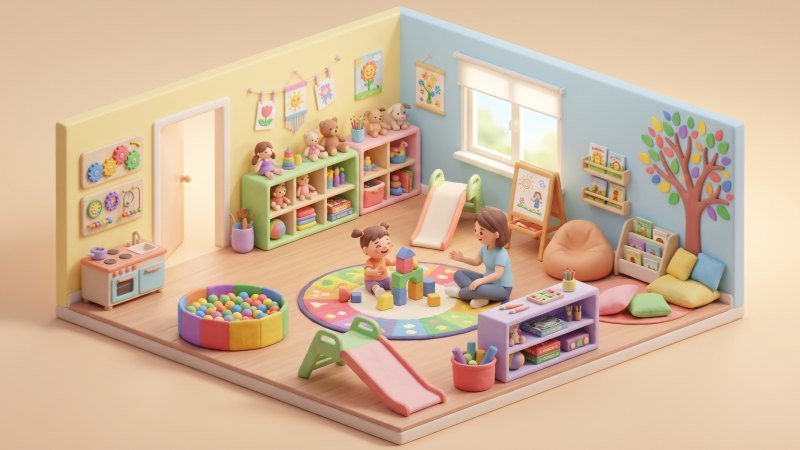
How exactly does play therapy help children overcome emotional and behavioral challenges to become happy and healthy?
Play therapy utilizes guided, structured play as a clinical intervention to help children process complex emotions, develop self-regulation, and build essential social skills. By interacting with specialized therapeutic environments, children externalize internal conflicts, overcome trauma, and acquire robust problem-solving mechanisms essential for healthy cognitive and emotional development.
Facilitating Emotional Processing and Expression
How does play therapy help children process and express their deepest emotions safely?
Play therapy functions as a clinical intervention where selected play materials serve as a child’s vocabulary. Through this method, therapists observe how children interact with specific play environments to identify underlying emotional distress. As a direct result, children can externalize complex feelings and resolve internal conflicts without needing advanced verbal skills.

Providing a Safe Outlet for Complex Feelings
Children often struggle to articulate big emotions. Let’s face it, traditional talk therapy rarely works well for young minds. Play therapy bridges this critical communication gap by offering a practical space where internal feelings become visible physical actions.
For example, a child might feel overwhelming anger. They cannot easily explain this complex feeling. However, they can express it by vigorously manipulating kinetic sand. Similarly, they might repeatedly crash toy cars together. This action mirrors a pressure relief valve on a pneumatic interactive ball-shooting arena found in indoor playgrounds. Just as the mechanical valve safely releases built-up air pressure to launch a foam ball, the physical play activity safely releases a child’s built-up emotional tension.
More importantly, the therapeutic environment remains strictly non-judgmental. This essential safety encourages kids to explore difficult emotions freely.
Common Emotional Expressions Through Play
| Internal Emotional State | Typical Play Behavior | Therapeutic Function |
|---|---|---|
| Anger | Aggressive manipulation of clay or foam | Safe physical release of tension |
| Fear | Hiding objects or building padded barriers | Establishing boundaries and control |
| Sadness | Slow, repetitive sorting of small items | Seeking comfort and predictability |
The takeaway here is that children learn their feelings are entirely valid. They discover how to process these intense emotions without causing harm to themselves or others.
Processing Childhood Trauma and Anxiety
Trauma heavily impacts a child’s developing brain. It’s no surprise that severe anxiety often follows these difficult events. Play therapy provides a vital tool for addressing these deep-seated issues by allowing children to revisit scary experiences from a safe distance.
During a session, a child might recreate a traumatic event using play figures. The therapist gently guides this narrative, and that’s how the child regains a sense of control over the painful memory. Instead of forcing them to confront the trauma head-on through stressful conversations, the play environment acts as a psychological buffer. The structured, predictable nature of the playroom provides the absolute safety required to process these intense experiences at their own pace.
According to clinical standards established by the Association for Play Therapy, supervised play reenactment significantly reduces anxiety symptoms. It slowly desensitizes the child to the original fear. At the end of the day, they process the heavy trauma entirely through the universal language of play.
Driving Behavioral Modification and Self-Regulation
In what ways does therapeutic play guide children toward better behavior and self-control?
Play therapy utilizes structured activities to teach children how to monitor their impulses and adjust their actions. By engaging in rule-based games and directed play, therapists help children develop internal regulatory mechanisms. The payoff is clear: children learn to replace disruptive behaviors with positive actions, leading to better focus and self-management.
Reducing Aggressive and Impulsive Actions
Many children act out physically when they feel overwhelmed. That means they need safe, physical methods to control these sudden urges. Play therapy provides a structured setting to practice this essential self-restraint.
During a session, a therapist might introduce specific boundary-setting games. A child might interact with a designated punching bag or shapeable foam blocks—tools that allow the child to release physical energy safely. Over time, the child learns to pause before reacting. We can compare this behavioral shift to a centrifugal braking system on a commercial playground merry-go-round. Just as the mechanical brake automatically limits the speed of a rapidly spinning play structure to keep riders safe, play therapy installs a “mental brake” in a child’s mind. It naturally slows down their sudden, impulsive physical reactions.
“Through directed play, children safely experience the boundaries of their actions in a controlled environment, which significantly lowers real-world aggression.”
The net result is that the child learns they can feel angry without acting violently.
Assisting in the Management of ADHD Symptoms
Attention-Deficit/Hyperactivity Disorder (ADHD) creates constant challenges for a child’s focus and daily energy levels. Fortunately, play therapy offers an engaging approach to managing these hyperactivity symptoms.
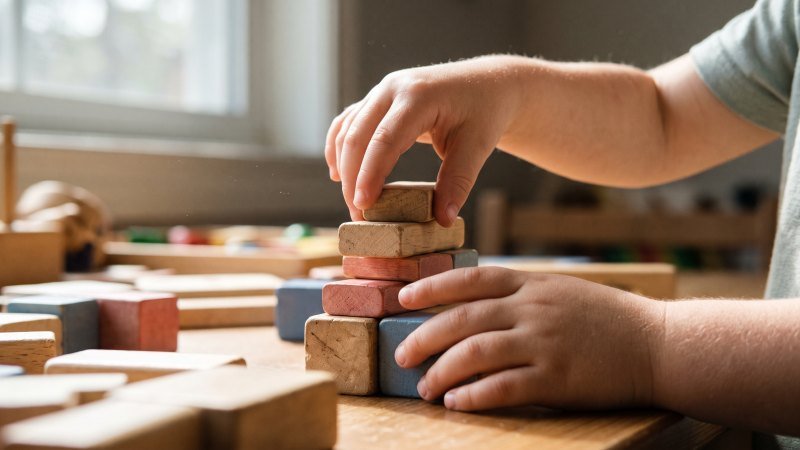
Children with ADHD often struggle to sit still in traditional clinical settings. Play therapy, on the other hand, keeps them physically and mentally engaged. Therapists frequently use goal-oriented activities, like navigating a tabletop puzzle or stacking balanced elements. These specific tasks require sustained attention. Because of this setup, children practice focusing their minds while moving their hands.
This therapeutic process closely mirrors how a tactile sensory wall panel functions in an indoor play area. A sensory wall requires a child to trace specific routed paths with their fingers. This physical tracking activity actively channels their scattered energy into a single, focused task. Through this physical tracking, the child learns how to concentrate despite internal distractions.
Comparing ADHD Management Approaches
| Feature | Traditional Talk Therapy | Therapeutic Play |
|---|---|---|
| Activity Level | Mostly seated and stationary | Highly active and movement-based |
| Focus Strategy | Verbal instruction and logic | Hands-on tasks and physical goals |
| Child Engagement | Often low for hyperactive kids | Very high due to natural interest |
By consistently practicing these focused play activities, children gradually increase their attention spans, developing healthier habits for managing their endless energy.
Enhancing Social Skills and Communication
How does the play environment help children build stronger social skills and communicate effectively?
Play therapy creates a structured, interactive environment where children practice essential social exchanges. Therapists use guided role-play and cooperative games to teach active listening, turn-taking, and verbal expression. By doing this, children learn to interpret social cues accurately and build meaningful connections with their peers.
Fostering Empathy and Connection with Peers
Do you ever wonder why some children struggle to share? Young kids naturally view the world only from their own perspective. That’s exactly why they need direct practice to understand how others feel, and play therapy provides this exact opportunity.
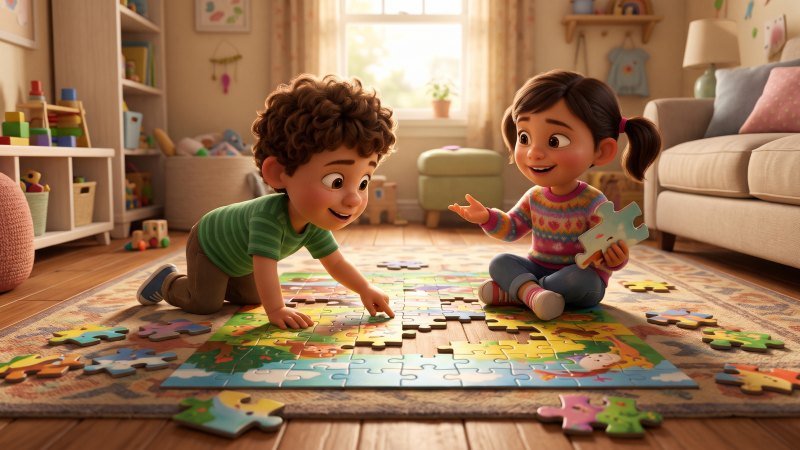
Therapists frequently use cooperative games to build empathy. During these sessions, children must work together to achieve a specific goal. This collaborative process mirrors the mechanics of a multi-user interactive ball vacuum system found in modern indoor playgrounds. In this pneumatic system, one child feeds plastic balls into a lower intake tube, while another child waits to catch the balls from an upper release valve. They must communicate clearly and time their actions perfectly. Just as the mechanical play system requires synchronized input to function properly, social connections require mutual empathy and timing to thrive.
By practicing these cooperative actions, children learn to read facial expressions. Even better, they begin to anticipate the needs of their peers.
Key Empathy Building Activities
- Puppet Play: Encourages children to voice different perspectives.
- Building Blocks: Requires sharing resources and joint planning.
- Board Games: Teaches patience and graceful losing.
Resolving Interpersonal Conflicts Through Modeled Scenarios
Disagreements naturally happen when kids play together. The reality is, children often lack the vocabulary to negotiate effectively. Play therapy introduces modeled scenarios to teach healthy conflict resolution.
During a session, a therapist might set up a pretend argument between two dolls and then ask the child to help the dolls solve their problem. This guided practice gives the child a safe script to use in real life. We can compare this process to the woven safety netting used in multi-level playground structures. When a child falls into a safety net, the woven ropes distribute the sudden physical tension across multiple anchor points, preventing a single rope from breaking. Similarly, modeled scenarios teach children to distribute social tension through clear communication. Instead of having an emotional breakdown, they learn to compromise.
“Guided role-play allows children to rehearse difficult social interactions, dramatically reducing real-world playground altercations.”
Conflict Resolution Outcomes
| Social Situation | Before Therapy | After Therapy |
|---|---|---|
| Wanting a shared toy | Grabbing or hitting | Asking politely and waiting |
| Losing a group game | Crying or quitting | Congratulating the winner |
| Feeling excluded | Pouting silently | Expressing feelings verbally |
The net result? Children return to their schools and playgrounds equipped with practical social tools, knowing exactly how to navigate tricky interpersonal dynamics.
Building Cognitive Flexibility and Coping Mechanisms
How does unstructured play equip children with the mental adaptability needed to handle unexpected challenges?
Play therapy utilizes open-ended activities to stimulate structural brain development and cognitive adaptability. Therapists guide children through unpredictable play scenarios, forcing them to adjust their thinking patterns in real-time. This real-time adaptation means children develop robust coping mechanisms, allowing them to process unexpected stressors and navigate complex situations independently.

Strengthening Resilience Against Daily Stressors
Children face numerous daily stressors, from sudden schedule changes to academic pressures. Without strong mental resilience, they simply won’t thrive. Play therapy actively builds this resilience through repetitive, adaptable play patterns.
During therapy, children often face intentional, minor disruptions in their play. For example, a therapist might introduce a new rule midway through a game. This forces the child to adapt quickly. We can compare this mental flexibility to the high-tensile bungee cords used in commercial trampoline safety suspensions. When subjected to a sudden heavy load, these safety cords stretch deeply under the physical pressure to absorb the impact. However, they quickly rebound to their original structural shape. Similarly, cognitive resilience allows a child’s mind to stretch under daily stress without permanently breaking.
According to child development data, kids who engage in structured therapeutic play show a 40% improvement in adapting to new routines. They learn that they can survive temporary discomfort. The bottom line is they bounce back faster from daily disappointments.
Encouraging Independent Problem-Solving Abilities
Many children rely entirely on adults to solve their problems. Play therapy flips this dynamic on its head. It requires children to take the lead and figure things out on their own.
Therapists provide open-ended tools, like blank paper or unassorted building blocks, without providing an instruction manual. Without that safety net, the child must invent their own solutions to build a stable structure. This process perfectly mirrors how a child navigates a multi-level indoor playground tube maze. When a child hits a physical dead end in a maze, they cannot ask an adult for a map. Instead, they must stop, assess their location, and physically reverse their route to find a better path.
“Unstructured play requires constant decision-making, which directly strengthens the brain’s executive functioning and problem-solving centers.”
Comparing Problem-Solving Approaches
| Scenario | Dependent Behavior | Independent Behavior (Post-Therapy) |
|---|---|---|
| Toy breaks | Cries and waits for an adult | Tries to fix it or finds a replacement |
| Game gets difficult | Gives up immediately | Pauses and tries a different strategy |
| Routine changes | Experiences severe anxiety | Adapts quickly to the new schedule |
When it works, children gain immense confidence in their own capabilities. They approach future problems as interesting puzzles rather than impossible roadblocks.
Selecting Appropriate Play Equipment for Therapeutic Environments
What are the key considerations when choosing physical tools for an effective therapeutic play space?
Selecting therapeutic play equipment requires balancing physical safety with specific psychological goals. Facility operators must choose commercial-grade sensory tools that calm the nervous system, interactive stations that require cooperative play, and highly durable structures built to rigorous safety standards. When you get right down to it, the equipment you spec acts as the physical foundation for successful clinical outcomes.
Sensory Integration Equipment for Calming and Focus
Sensory equipment directly targets a child’s nervous system to help them regulate overwhelming physical inputs. If you’re building a clinical playroom, this isn’t optional.
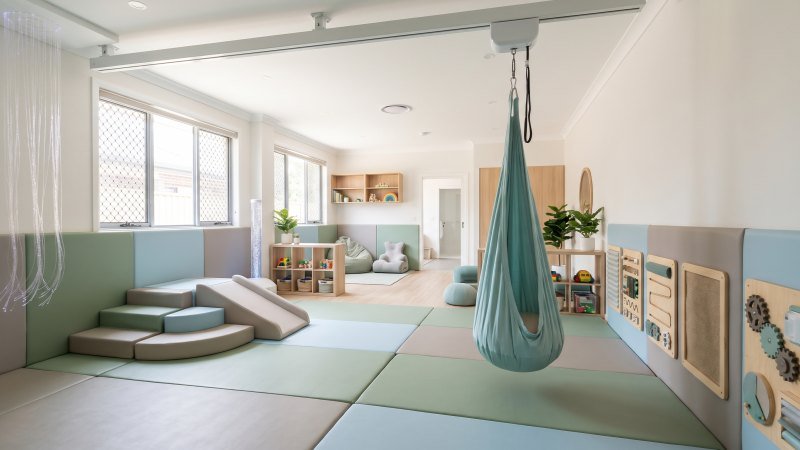
Therapists heavily rely on proprioceptive and vestibular tools. For instance, commercial-grade sensory swings and deep-pressure rollers provide necessary physical feedback, and this physical pressure quickly grounds an anxious child. We can easily compare this function to shock-absorbing EVA foam flooring used in high-traffic commercial playgrounds. Just as the premium flooring absorbs chaotic physical impacts to stabilize a running child, tactile and weighted sensory equipment absorbs a child’s chaotic nervous energy to stabilize their mind.
What good is a sensory room if the hardware can’t handle dynamic, unpredictable loads? When installing ceiling-mounted sensory swings, dynamic load limits and hardware strength can vary significantly based on structural ceiling supports. Always verify the exact weight capacities and mounting requirements with your equipment supplier before installation.
Common Sensory Tools and Their Functions
| Equipment Type | Targeted Sense | Primary Therapeutic Benefit |
|---|---|---|
| Cocoon Swings | Vestibular (Balance) | Provides secure, rhythmic calming |
| Tactile Wall Panels | Tactile (Touch) | Focuses scattered attention and energy |
| Heavy Foam Rollers | Proprioceptive (Deep Pressure) | Reduces physical anxiety symptoms |
By outfitting a room with these precise tools, therapists give children the physical input they crave. The result is kids can focus better during their sessions.
Interactive Play Structures for Social Skill Development
Therapeutic environments also need specific spaces designed for multiple users to force natural peer interaction. That makes cooperative play structures an indispensable tool for group therapy.
Consider installing dual-crank mechanical gear panels or cooperative interactive light boards. These specific structures cannot be fully enjoyed alone. They require children to communicate, share space, and time their movements together. This mechanical setup perfectly mirrors a dual-rider commercial seesaw. On a seesaw, one side cannot function effectively without the synchronized action and cooperation of the rider on the opposite side. Similarly, interactive cooperative panels require children to synchronize their social actions to achieve a fun, working result.
“Equipment that requires two users naturally bridges the gap between isolated play and active social communication.”
By intentionally choosing structures with built-in cooperative features, facilities passively encourage social growth. Kids learn how to share resources and take turns without feeling pressured by adults.
Safe and Durable Indoor Playground Designs
Safety and durability are strictly non-negotiable in commercial therapeutic settings. Kids acting out intense emotions can be very hard on physical equipment. If the overall design can’t withstand heavy, unpredictable use, the facility will fail.
Have you ever seen what an unregulated emotional outburst can do to standard commercial vinyl? First, facility owners must prioritize high-density padding and tear-resistant vinyl coverings. These tough materials protect children during aggressive emotional outbursts. On top of that, they are exceptionally easy to sanitize between therapy sessions. We can compare this structural necessity to the heavy-duty galvanized steel framework of an indoor playground core. The steel frame must safely support massive, unexpected weight shifts without buckling or failing. Likewise, a therapeutic play element must absorb sudden physical impacts without breaking or exposing sharp inner edges.
Because commercial safety standards are critical, indoor play structures should strictly adhere to international safety specifications (such as ASTM F1918 or EN1176). However, specific foam densities, vinyl thicknesses, and fire-retardant properties will vary based on suppliers. Always ask your supplier to provide verifiable safety certifications before making a final purchase.
At the end of the day, a highly durable environment lets therapists focus entirely on the child’s emotional progress, rather than worrying about breaking equipment.
Conclusion
Look at it this way: play therapy provides a profound and structured pathway for children to navigate their emotional, behavioral, and social challenges. By offering a safe space to process complex feelings and utilizing carefully selected therapeutic play equipment, practitioners can guide children toward improved self-regulation, deeper empathy, and stronger problem-solving skills. Creating these environments requires intentional design, ensuring every sensory wall, cooperative game, and safety net serves a distinct clinical purpose in building resilient and happy kids.