-
Whatsapp: +86 15516933785
-
Email: hanlin@hanlinplayground.com
-
Address: Shangjie District, Zhengzhou City, Henan Province, China
-
Whatsapp: +86 15516933785
-
Email: hanlin@hanlinplayground.com
-
Address: Shangjie District, Zhengzhou City, Henan Province, China

How Long Does Indoor Playground Equipment Last?
What is the realistic operational lifespan of commercial indoor playground equipment?
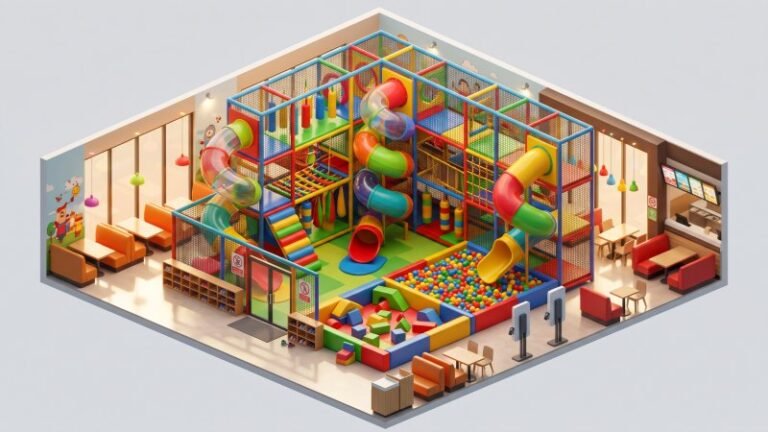
Commercial indoor playground equipment generally lasts between 10 and 15 years for the core structural framework, while soft play and high-traffic materials require replacement every 3 to 7 years. To safely maximize return on investment, facility operators must establish a strategic maintenance schedule that tracks the distinct depreciation timelines of high-wear consumables, motorized components, and structural grids.
Lifespan of Core Structural Components
How long can you expect the foundational framework of an indoor playground to actually last?
The core structural components of an indoor playground generally last between 10 and 15 years under standard commercial use. Because these parts form the primary weight-bearing skeleton, they utilize heavy-duty metals designed for long-term stability. The bottom line? With proper indoor climate control and routine safety inspections, this framework can remain safe and fully functional for up to 20 years.
Galvanized Steel Pipes
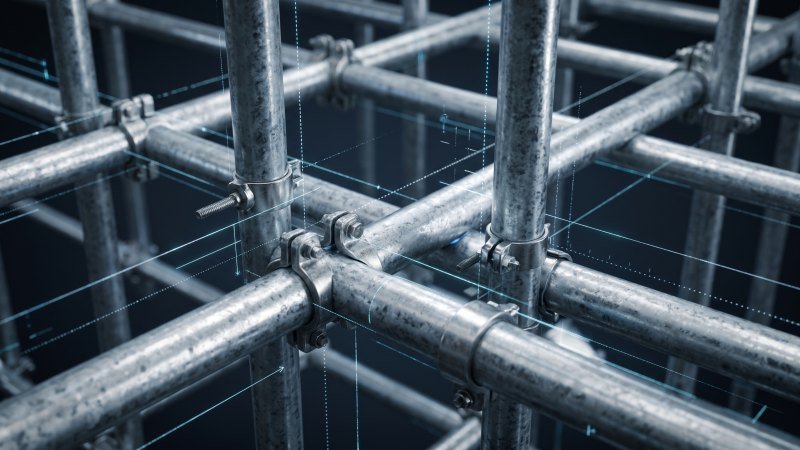
Why do manufacturers rely on galvanized steel pipes for the main frame? Galvanized steel pipes form the sturdy grid that holds everything together. During manufacturing, a zinc coating covers the steel. This coating effectively prevents rust. Since indoor parks do not face rain or snow, rust is rarely an issue. Because of this, you’re looking at a solid 15 years or more of operational life for these pipes.
Much like the heavy-duty structural framing used in large-scale commercial trampoline parks, the playground’s steel grid relies on precise wall thickness to bear dynamic loads safely. The exact steel gauge dictates overall durability. Most structural pipes feature a 48mm diameter with a 2.0mm wall thickness. Just remember to always verify specific load-bearing parameters and steel thickness with your equipment supplier, as these safety specifications frequently vary based on regional manufacturing standards and facility size.
| Steel Wall Thickness | Primary Playground Application | Expected Lifespan |
|---|---|---|
| 2.5mm | High-impact zones and multi-level supports | 15 – 20+ Years |
| 2.0mm | Standard commercial structural frames | 10 – 15 Years |
| 1.5mm | Non-load-bearing decorative elements | 5 – 10 Years |
Clamps and Fasteners
Of course, a strong pipe is nothing without a secure joint. This is exactly where clamps and fasteners come in. Are these metal joints as durable as the main pipes? Usually, they are.
Manufacturers typically cast these clamps from galvanized iron or strong aluminum alloy. The solid metal bodies of the clamps will easily last 10 to 15 years. But here’s the reality: the internal threads and steel grub screws face constant daily stress. When dozens of children run across the structure, the movement creates continuous micro-vibrations. Over several years, these vibrations slowly loosen the fastening screws.
Routine torque checks prevent the vast majority of premature fastener failures in structural playground grids.
Industry maintenance protocols highlight that fastener failure usually results from improper handling rather than age. If an operator over-tightens a screw during a routine inspection, the metal threads can strip. A stripped thread instantly ends that specific clamp’s useful lifespan. That’s exactly why facilities must use a calibrated torque wrench during maintenance. This practice ensures maximum hardware lifespan without damaging the critical connection points.
Lifespan of Soft Play and High-Traffic Materials
How many years will the soft, cushioned surfaces and high-traffic materials in your indoor playground actually endure before needing replacement?
Soft play and high-traffic materials generally last between 3 and 7 years in a commercial facility. Because these surfaces absorb constant jumping, sliding, and friction, they degrade much faster than the metal framework. That means items like vinyl padding, trampoline beds, and netting require strict daily inspections and periodic replacements to maintain safety standards.

PVC Vinyl and Foam Padding
Inside a playground, high-density foam provides essential crash protection. At the same time, PVC vinyl acts as the durable protective skin. How long do these critical layers hold up? Typically, you can expect them to last 3 to 5 years.
The inner foam slowly loses its bounce over time. Think of this foam like the heavy-duty rubber bumpers on a commercial bumper car ride. Repeated heavy impacts eventually crush the internal structure. Once permanently compressed, the foam simply cannot protect kids effectively.
On top of that, the PVC vinyl skin takes a daily beating from shoes, denim, and zippers. Thicker vinyl naturally lasts longer. Commercial indoor parks usually specify 0.45mm or 0.55mm thick PVC vinyl for their structures to guarantee durability and adhere strictly to regional fire-rating safety standards.
| PVC Vinyl Thickness | Best Application Area | Expected Lifespan |
|---|---|---|
| 0.55mm | High-traffic floors, slide exits, and stairs | 4 – 5 Years |
| 0.45mm | Vertical walls, punching bags, and obstacles | 3 – 4 Years |
| 0.38mm | Low-touch decorative headers and upper panels | 2 – 3 Years |
Trampoline Mats and Springs
Trampoline zones experience the highest mechanical stress in any park. Therefore, these components have a relatively short lifespan. Commercial trampoline mats typically last 2 to 4 years, while the steel springs might last 3 to 5 years.
The mats consist of tightly woven polypropylene. Every jump stretches these woven fibers. Over time, this constant stretching causes the fibers to fray or tear. While that’s happening, the galvanized steel springs endure non-stop tension. Eventually, they suffer from metal fatigue. They stretch out and lose their vital recoil power.
Watch for these specific warning signs to know exactly when replacement is due:
- Visible sagging in the center of the jumping mat.
- Frayed nylon stitching near the metal V-rings.
- Springs that remain slightly open when nobody is jumping.
- Loud creaking noises coming from the spring attachments.
Proactive spring replacement prevents uneven tension, which is the leading cause of premature trampoline mat tears.
Safety Netting and Ball Pit Balls
Safety netting keeps children safely enclosed on upper levels. On the flip side, ball pit balls provide loose sensory play. Both take heavy physical abuse but fail in completely different ways.
Knitted polyester safety netting usually lasts 3 to 5 years. Kids constantly lean, pull, and climb on these barrier nets. Because of this constant pulling, the mesh inevitably stretches out. Once a net loses its tautness or shows broken safety threads, it instantly fails safety compliance and must be swapped.
Then you have ball pit balls, which easily claim the absolute shortest lifespan in the entire facility. They typically last just 1 to 3 years. These hollow plastic spheres endure constant crushing weight. Standard commercial pit balls use crush-resistant polyethylene. Despite this durability, older kids and adults often step directly on them. Once a ball cracks or compresses into a flat shape, it cannot be repaired. To stay ahead of it, operators must continuously remove broken balls and top off the pit with fresh stock.
Lifespan of Motorized and Electronic Parts
How many years can you realistically expect the dynamic electronic and motorized components in your facility to function before they fail?
Motorized and electronic indoor playground parts generally last between 2 and 5 years under continuous commercial operation. Because these active components rely on moving gears, constant electrical currents, and delicate circuit boards, they experience wear much faster than static structures. Routine maintenance, such as gearbox lubrication and daily sensor testing, is strictly required to achieve this 5-year maximum lifespan.
Motors for Revolving Rides
Revolving rides, like miniature merry-go-rounds or spinning palm trees, rely heavily on internal electric motors. How long do these motors actually survive the daily grind? Typically, commercial-grade ride motors last roughly 3 to 5 years. Think a standard commercial motor can just run endlessly without a breather? Not a chance.
These motors endure a grueling operating environment. Every time a new group of children climbs on, the motor must start from a dead stop under a heavy physical load. This constant start-and-stop action generates immense heat. Over time, this heat slowly breaks down the internal copper wire insulation.
Think of this process like a large commercial carousel starting up with a full load of riders. Much like a major amusement ride pushing against dead weight, a playground motor strains the hardest during that initial push. Once the ride is spinning smoothly, the mechanical stress drops significantly. But let’s be real: excited children jump on and off constantly. This behavior forces the motor to work incredibly hard all day long.
Most standard indoor revolving rides utilize a 750W geared motor. Because local electrical standards and specific weight capacities vary, always verify the exact power specifications, voltage requirements, and duty cycle limits with your equipment supplier.
To maximize the lifespan of these vital motors, operators must follow strict daily maintenance habits:
- Lubricate the attached gearboxes every single month.
- Inspect the external cooling fans for dust buildup weekly.
- Listen closely for grinding noises that indicate failing ball bearings.
Interactive Screens and Sensors
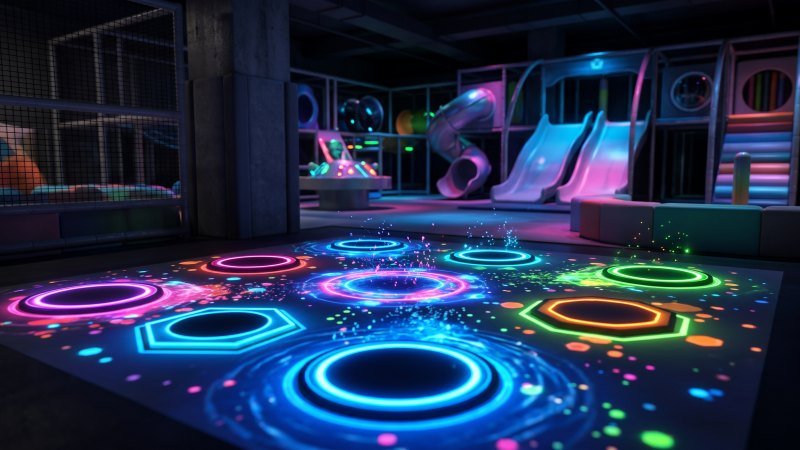
Modern indoor playgrounds increasingly feature digital elements, such as interactive wall projections and light-up floor games. These high-tech additions easily attract modern families. The trade-off? They introduce sensitive electronics into a highly physical environment. Generally, these delicate electronic components last between 2 and 4 years.
Interactive systems face two primary threats: direct physical impact and component burnout. For example, interactive floor games use electronic pressure sensors. Children stomp on these sensors with their full body weight. Over several years, these continuous physical strikes physically crush the internal micro-switches.
Protecting delicate electronics from direct physical shock is the single biggest factor in extending their operational lifespan.
Wall projectors, on the other hand, face a totally different battle. They sit safely out of reach on the ceiling, but their internal lamps eventually burn out. A standard projector lamp typically lasts about 3,000 to 5,000 hours. In a commercial park operating 10 hours a day, that lamp requires a replacement every single year. Conversely, commercial-grade laser projectors easily last up to 20,000 hours. When upgrading, facility owners should prioritize robust IP (Ingress Protection) dust ratings to prevent internal lens scratching and prolong hardware life.
| Electronic Component | Primary Cause of Failure | Expected Lifespan |
|---|---|---|
| Traditional Projector Lamps | Heat and standard filament burnout | 1 – 2 Years |
| Floor Pressure Sensors | Physical crushing from heavy foot impacts | 2 – 3 Years |
| Laser Projector Units | Gradual brightness degradation over time | 4 – 5 Years |
| Infrared Motion Cameras | Dust accumulation and lens scratching | 3 – 5 Years |
Equipment Depreciation and Replacement Timeline
When exactly should facility owners budget for replacing different parts of their playground to maintain profitability and safety?
A standard indoor playground follows a predictable three-stage depreciation and replacement timeline spanning up to 15 years. Facility owners must budget for frequent swaps of high-wear consumables every 1 to 3 years, plan a mid-life facility renovation for padded elements at 5 to 7 years, and prepare for a complete structural decommissioning between 10 and 15 years.
1 to 3 Years: High-Wear Consumables
During the first three years of business, your budget will focus heavily on routine consumable replacement. High-wear items represent an ongoing operational cost rather than a long-term capital investment. That means you need to allocate a specific percentage of your annual revenue strictly for these fast-degrading parts.
Think of these consumables much like the disposable redemption tickets or crane game plushies in a standard family entertainment center. They constantly cycle out of the facility due to heavy use. You simply cannot expect them to last the entire life of the business.
Specifically, this early timeline covers components that absorb direct, continuous physical abuse from customers.
- Loose plastic items.
- High-tension barrier fabrics.
- Small mechanical connectors.
To maintain a pristine brand image and strictly adhere to safety codes, operators must discard these items the exact moment they look heavily worn.
5 to 7 Years: Soft Play Replacements
Reaching the five-year mark triggers a major financial milestone for any commercial indoor playground. At this specific point, standard tax accounting practices usually fully depreciate the original soft play investments. Knowing this, you have to proactively plan for a comprehensive mid-life aesthetic renovation.
Why is this 5 to 7-year window so critical? Beyond physical wear, consumer aesthetic preferences rapidly change. Would you keep paying premium admission for a venue that hasn’t changed since your kids were toddlers? A visual refresh is absolutely mandatory to retain your local market share.
Strategic operators use this 5-to-7-year replacement cycle to completely retheme their parks, artificially generating the excitement and marketing push of a brand-new grand opening.
During this phase, operators strip the park down to its bare metal frame. Next, they install entirely new themed panels, fresh padding, and updated modular challenges. Relying on higher-density foams and upgraded vinyls during this phase can occasionally stretch the next replacement cycle by an additional year or two.
10 to 15 Years: Structural Decommissioning
Eventually, every indoor playground reaches the end of its safe operational life. Between years 10 and 15, the core structural framework officially ages out of its commercial viability. At this final stage, facility owners face the costly process of complete structural decommissioning.
Even if the galvanized metal frame appears visually solid, invisible metal fatigue and outdated safety codes pose massive liability risks. Worse yet, commercial insurance providers frequently refuse to underwrite liability policies for amusement structures older than 15 years. Is squeezing one more year out of an aging frame really worth the liability nightmare?
Decommissioning requires hiring specialized contractors to safely dismantle, remove, and recycle the heavy steel grid. Afterward, the business must either completely pivot its operations or invest in an entirely new, modernized play system.
| Equipment Lifecycle Stage | Primary Action Required | Financial Classification |
|---|---|---|
| 1 – 3 Years | Swapping high-contact loose items | Operational Expense (OpEx) |
| 5 – 7 Years | Complete aesthetic and padded refresh | Capital Expense (CapEx) |
| 10 – 15 Years | Full teardown and disposal | Decommissioning Cost |
Conclusion
Understanding the actual lifespan of indoor playground equipment is non-negotiable for both facility safety and long-term financial planning. While heavy-duty steel structures can confidently serve a business for over a decade, proactive operators must consistently budget for the rapid turnover of soft padding, trampolines, and intricate electrical components. By following a structured replacement timeline, you can guarantee a safe, visually appealing, and highly profitable entertainment center for years to come.