-
Whatsapp: +86 15516933785
-
Email: hanlin@hanlinplayground.com
-
Address: Shangjie District, Zhengzhou City, Henan Province, China
-
Whatsapp: +86 15516933785
-
Email: hanlin@hanlinplayground.com
-
Address: Shangjie District, Zhengzhou City, Henan Province, China

Starting a Party Rental Business: ROI and Buying Guide for Portable Playgrounds
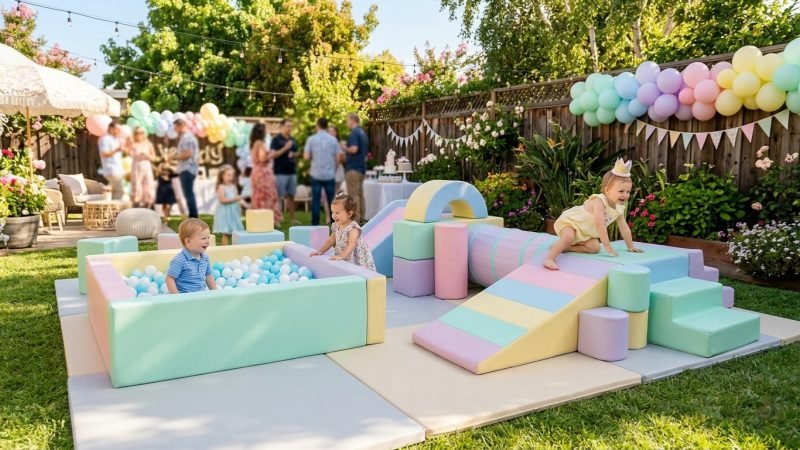
Are you wondering what it takes to start a successful portable playground rental business and how quickly it can become profitable?
Starting a portable playground rental business involves a strategic initial investment focused on commercial-grade soft play equipment, specialized liability insurance, and efficient logistics. By implementing tiered pricing strategies and maintaining strict safety and hygiene protocols, operators can rapidly generate revenue, typically achieving a full return on their initial setup costs within the first 10 to 15 bookings.
Breaking Down the Financials and Profitability
What exactly does it cost to launch a portable playground rental business, and how quickly can you expect to see a return on your investment? Think this is just child’s play? The math says otherwise.
A portable playground rental business typically requires an upfront investment between $3,000 and $8,000. Because operators can charge between $250 and $600 per event, the business yields a rapid return on investment. Most new owners completely recover their initial setup costs after completing just 10 to 15 rentals.

Calculating Initial Startup Costs
Let’s look at the hard numbers first—you need to understand your upfront expenses. The absolute largest capital drain is always the physical equipment. Generally, a commercial-grade soft play setup costs between $1,500 and $4,000. However, specific dimensions, vinyl thickness, and foam density can change the final price. Take it from experience: always verify the exact material specifications and pricing parameters with your chosen supplier before cutting a check.
Beyond the hardware, you’ve got to factor in basic operations and logistics. This means budgeting for items like safety mats, commercial crush-proof balls, and proper storage solutions. Let’s look at a realistic breakdown of the initial hardware and supply expenses.
| Expense Category | Estimated Cost Range |
|---|---|
| Commercial Soft Play Equipment | $1,500 – $4,000 |
| Protective Mats and Fencing | $300 – $800 |
| Ball Pit Balls (Commercial Grade) | $200 – $500 |
| Basic Operations (Website, Uniforms) | $200 – $500 |
| Total Estimated Hardware Costs | $2,200 – $5,800 |
(Note: The remaining budget up to $8,000 typically covers first-year specialized insurance premiums and securing a used delivery trailer.)
Competitive Pricing Strategies for Your Market
After buying your gear, how much should you charge? Setting the right price is crucial for getting steady bookings. Usually, successful businesses use a tiered pricing structure. For example, you can offer a compact package for small indoor spaces, then scale up to a deluxe package for larger outdoor parties. Why leave money on the table when you can easily scale your packages to match the client’s venue?
Think of this pricing strategy like renting out standard bounce houses. A basic 13×13 bounce house rents for a flat base rate. Meanwhile, adding a wet slide or an interactive obstacle course allows the operator to charge a premium fee. Similarly, adding extra foam blocks or a larger ball pit increases your soft play package value.
According to current industry rental trends, a basic 4-hour soft play rental averages $250. Meanwhile, a premium package with custom colors and larger fences often books for $500 to $600. The bottom line here is simple: offering multiple price points helps you capture a wider range of customers.
Estimating the Break-Even Timeline
When will you actually make a profit? Calculating your break-even point is surprisingly straightforward. You just divide your total startup cost by your average profit per rental.
Let’s run a realistic scenario. Suppose your total initial investment is $4,000. If your average rental package brings in $350, you simply divide $4,000 by $350. Run the numbers, and you’re looking at approximately 12 bookings to pay off your equipment.
Is it really that fast? Yes. If you book just three parties every weekend, you will break even in exactly one month. After those first 12 rentals, your revenue turns directly into gross profit. You only need to deduct minor wear-and-tear expenses moving forward.
“Reaching the break-even point within the first 45 days is a standard benchmark for successful mobile soft play operators.”
How to Choose the Right Equipment
Selecting the right portable playground equipment is the single most critical decision for satisfying clients and withstanding constant commercial abuse.
To ensure longevity and safety, operators must prioritize commercial-grade PVC vinyl and high-density foam over standard residential toys. Additionally, a profitable setup requires core interactive components like soft climbers, ball pits, and seamless safety flooring that strictly pass recognized fire retardant and non-toxic certifications.
The Importance of Commercial-Grade Materials
Why should you avoid cheap retail toys for your rental business? It comes down to bare-metal durability and safety. Commercial-grade soft play equipment uses heavy-duty materials designed for constant, rough use. Think about commercial inflatable bounce houses. Professional units use thick, reinforced vinyl, whereas cheap backyard inflatables use thin nylon that tears quickly. Your soft play gear follows the exact same engineering logic.
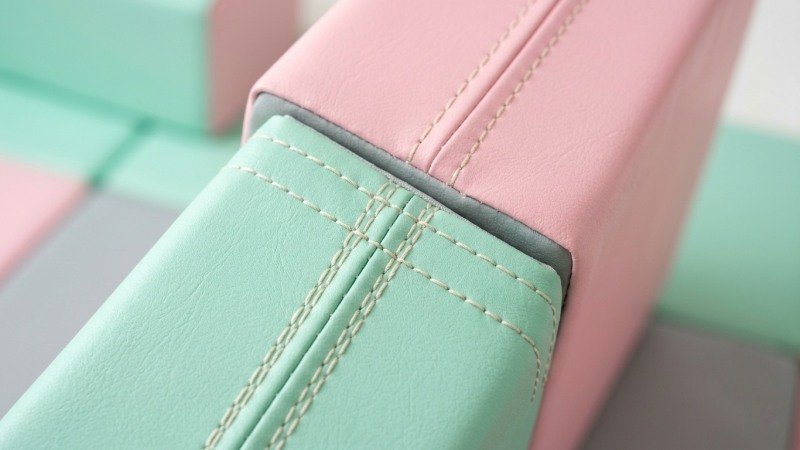
That’s exactly why you must invest in commercial-grade PVC vinyl. Typically, industry standards require 0.55mm or 18oz PVC vinyl for ultimate tear resistance. On top of that, the interior foam must be high-density polyurethane. This prevents the play blocks from collapsing under heavy weight.
| Feature | Commercial-Grade Soft Play | Retail/Residential Toys |
|---|---|---|
| Exterior Material | 18oz / 0.55mm PVC Vinyl | Thin PU leather or nylon |
| Interior Core | High-density EPE or PU foam | Low-density sponge |
| Seams | Double-stitched or heat-welded | Single-stitched |
| Lifespan | 3 to 5 years of weekly use | 3 to 6 months of heavy use |
Essential Components for a Profitable Setup
Moving onto the layout: what pieces actually make a portable playground fun and rentable? You need a balanced mix of activities to keep toddlers entertained. Make no mistake, selecting the right components directly impacts your booking rate.
At the core of it all, you must have a sturdy ball pit. This is always the main attraction for any party. Next up, include various soft climbing blocks. Stairs, ramps, and small tunnels encourage active motor skills. Down below, reliable safety flooring is completely non-negotiable. Thick EVA foam mats protect children from hard surfaces underneath the play area. And don’t overlook containment—a secure perimeter fence is what keeps the chaos safely controlled.
“A well-curated soft play package with a ball pit and slide will consistently generate 40% more bookings than a basic floor-mat setup.”
Want to know the secret to commanding premium rates and booking out your weekends? Here is a reality rookies often overlook: your color choices matter immensely. Currently, pastel colors, neutral whites, and boho themes dominate the rental market. Parents love these soft palettes because they look fantastic in event photographs. Picking trendy aesthetics guarantees you stand out from the local competition.
Verifying Safety Standards and Certifications
How do you know the equipment is actually safe for children? You cannot just take a manufacturer’s word for it. You must demand the official testing documents.
Right out of the gate, all materials must be entirely lead-free and non-toxic. Children frequently put their mouths on these toys, which means the vinyl must pass strict chemical testing. Beyond that, don’t play games with fire safety. The materials must be highly flame retardant—a hard-stop requirement for indoor events held inside public event halls.
Specifically, look for recognized global testing protocols. Equipment should proudly carry ASTM certifications for the United States market. Alternatively, look for EN71 certifications for European safety standards. Having these documents on hand doesn’t just keep you compliant; it proves your professional authority to nervous parents. Always ask suppliers to provide these safety certificates before you finalize your purchase.
Streamlining Logistics and Transportation
Efficiently transporting and storing bulky soft play equipment is essential to prevent item damage and reduce operator fatigue.
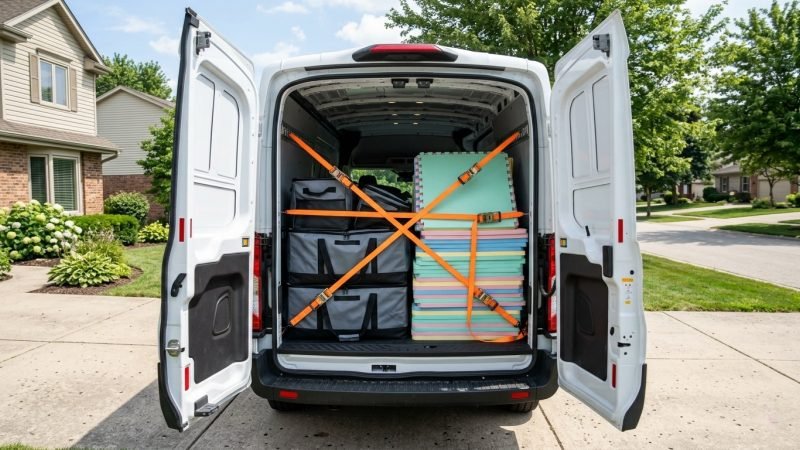
To streamline logistics, operators must invest in a proper delivery vehicle, such as a cargo van or an enclosed utility trailer, to protect equipment from the weather. Pair that with heavy-duty storage bags, flatbed rolling carts, and a strict ‘first-in, last-out’ packing method to significantly reduce loading times and prevent transit damage.
Selecting the Right Vehicle for Delivery
Choosing the correct vehicle is your first major logistical hurdle. You cannot transport a commercial soft play package in a standard sedan. The equipment is simply too bulky. Treat this process like transporting a large commercial bounce house for a corporate event. You need an enclosed space, heavy-duty suspension, and secure tie-down points to move the heavy load safely.
Because of this, the pros immediately default to a cargo van or an enclosed utility trailer. Each option offers specific operational benefits. A cargo van is excellent for navigating tight city streets. Meanwhile, an enclosed trailer provides massive space for a fraction of the cost. However, since exact interior dimensions and towing capacities can vary significantly based on vehicle models, always verify the exact specs with your local dealership before signing anything.
| Delivery Vehicle Type | Average Cost (Used) | Best Use Case | Maneuverability |
|---|---|---|---|
| Standard Cargo Van | $15,000 – $25,000 | Busy cities with tight parking | Excellent |
| Enclosed Utility Trailer (6×10) | $3,000 – $6,000 | Suburban areas with wide driveways | Moderate |
| Box Truck (15-foot) | $20,000 – $35,000 | Multi-party weekend routes | Poor |
Industry data shows that 65% of new soft play operators start with a 6×10 enclosed utility trailer. This strategy keeps your initial overhead razor-thin. Simply attach the trailer to your existing SUV, and you are immediately ready for route deliveries.
Efficient Packing and Storage Solutions
After dialing in your vehicle, you must master the art of packing. Want to know the fastest way to destroy a $4,000 investment? Haphazardly throw your foam blocks into the back of a van. Think about how rental companies pack commercial inflatable bounce houses. They must fold the vinyl tightly to push out all the air before rolling it. Soft play blocks require similarly precise stacking techniques to save space and prevent core crushing.
Rule number one of load-outs: bag absolutely everything. Ever tried hauling 1,500 loose plastic balls without heavy-duty bags? Trust me, you only make that mistake once. Purchase heavy-duty PVC storage bags rated for the specific weight and dimensions of your blocks to keep the equipment pristine during transit.
Rule number two: live and die by the “first-in, last-out” packing method. Always load your heavy ball pit walls and dense rubber safety mats into the vehicle first. Then, load your lighter foam blocks and bags of plastic balls last. Set it up this way, and when you hit the venue, the lighter items come out first. This clears the deck before you have to haul the heavy base items.
“Using customized rolling carts and standardized PVC storage bags can cut a team’s delivery and setup time by up to 45%.”
To cap it off, lock it all down with heavy-duty ratchet straps. You must secure your equipment against the vehicle walls. If you brake suddenly during a delivery, loose equipment becomes a massive projectile. Strapping everything down protects your investment and ensures your safety on the road.
Maintaining Strict Hygiene and Durability Standards
How do you keep your portable playground equipment perfectly sanitized and structurally sound after a grueling weekend of parties?
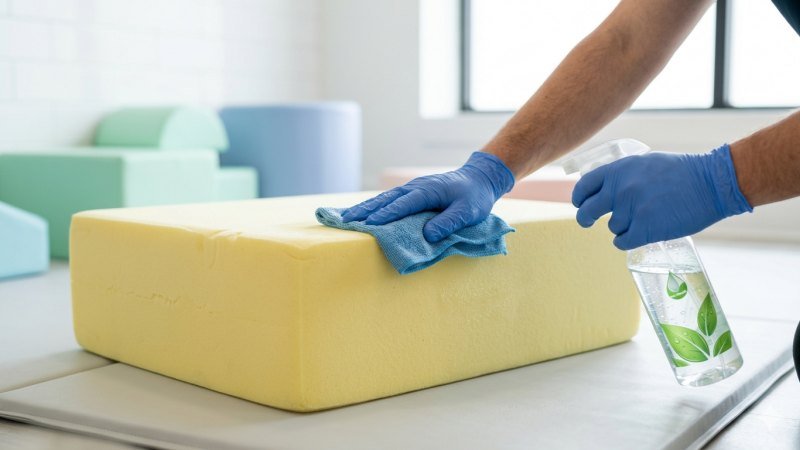
To guarantee safe play and equipment longevity, operators must strictly follow a multi-step cleaning protocol using commercial-grade, non-toxic disinfectants. More importantly, owners must perform routine physical inspections on all vinyl seams, zippers, and foam cores to prevent minor wear from becoming a major structural failure.
Standard Cleaning Protocols Between Rentals
Cleaning isn’t an option; it’s your biggest selling point. Recent rental industry data shows that 78% of parents scrutinize hygiene reviews before booking an event. A quick visual wipe-down is never going to cut it in this business.
Think about cleaning a large commercial wet slide. If you roll it up while it’s still damp, mold will quickly destroy the interior vinyl. Similarly, if you leave juice spills or sweat on soft play gear, bacteria will rapidly multiply. You must dry and sanitize every square inch.
Let’s tackle the biggest headache right away: the ball pit. A standard commercial pit holds over 1,500 plastic balls. Hand-washing them in a bathtub takes hours. Because of the sheer labor involved, serious operators eventually upgrade to portable commercial ball-washing machines. These automated units vacuum, sanitize, and dry the balls rapidly, saving immense labor overhead.
Once the pit is handled, you must execute a strict cleaning protocol for the soft vinyl blocks. You absolutely cannot use household bleach. Bleach chemically strips the protective UV coating right off the PVC vinyl. Instead, veteran operators rely on EPA-registered, child-safe botanical disinfectants. However, specific chemical dilution ratios and required drying times can vary widely. Always verify the exact mixture guidelines and safe application methods with the chemical manufacturer before spraying down your gear.
“A documented, strict cleaning protocol is your best marketing tool when targeting high-end clients and corporate events.”
Routine Inspections for Long-Term Use
Cleaning is only half the battle. You must also physically inspect your gear. Proactive maintenance can extend the lifespan of your soft play equipment by up to 40%.
Start your inspection by checking the high-stress connection points. Carefully inspect all Velcro attachment strips underneath the mats. If the Velcro fills with grass, hair, or carpet fibers, the mats won’t lock. If that happens, the mats will slide apart under load, creating a dangerous tripping hazard for running toddlers.
Once the Velcro is cleared, systematically examine the exterior seams and hidden zippers. You are hunting for micro-tears. Treat this process like inspecting the heavy-duty anchor points on a massive inflatable obstacle course. If a single anchor seam fails under pressure, the entire unit is compromised. Similarly, if a zipper breaks on a soft play block, the interior foam is exposed and will be easily shredded by curious children.
To keep your operations running seamlessly, lock yourself into a strict maintenance schedule.
| Equipment Component | Specific Issue to Look For | Recommended Frequency |
|---|---|---|
| PVC Vinyl Surfaces | Scratches, punctures, or color fading | After every single rental |
| Velcro Connectors | Trapped debris or peeling adhesive | Weekly |
| Hidden Zippers | Missing teeth or stuck sliders | Bi-weekly |
| Interior Foam Cores | Permanent compression or sinking spots | Monthly |
Navigating Legal Requirements and Risk Management
Protecting your portable playground rental business from unexpected lawsuits and costly property damage claims requires ironclad legal and financial strategies.
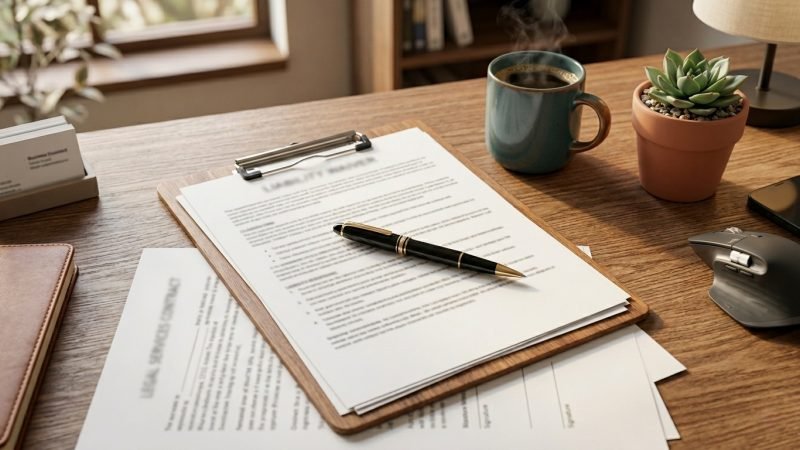
To properly navigate legal requirements, operators must secure a comprehensive general liability insurance policy specifically tailored for amusement rentals. On the paperwork side, businesses must construct ironclad rental agreements and mandate signed liability waivers to legally transfer the assumption of risk to the renting client.
Acquiring General Liability Insurance
You simply cannot operate a safe business without proper insurance. Let’s get one thing straight immediately: standard business insurance will not cover you. General business policies almost universally exclude active “amusement devices.”
Think of this strict requirement like insuring a commercial trampoline park or a large inflatable slide. A standard office insurance policy will immediately deny any injury claim related to an active amusement ride. Soft play equipment requires a specialized policy written specifically for the party rental industry. Knowing this, you must actively seek out brokers who speak the language of inflatable and portable amusement rentals.
Typically, public parks and indoor event halls demand proof of insurance before you can drop off your equipment. Industry data shows that most commercial venues require a minimum of $1,000,000 per occurrence and a $2,000,000 general aggregate limit. Always consult a specialized insurance broker to lock down the exact policy details and requirements for your operational region.
Structuring Rental Agreements and Liability Waivers
After securing insurance, you need bulletproof paperwork. Many new operators confuse rental agreements with liability waivers, but they serve two entirely different legal functions. You absolutely must have both documents signed before a single foam block hits the floor.
| Document Type | Primary Purpose | Key Elements Included |
|---|---|---|
| Rental Agreement | Protects your business property and revenue. | Payment terms, cancellation policies, and strict play rules (e.g., no shoes, no face paint). |
| Liability Waiver | Protects your business from bodily injury lawsuits. | Assumption of physical risk, hold harmless clauses, and parental consent. |
On one hand, your rental agreement heavily dictates the operational rules. This contract tells the client exactly what they can and cannot do with your expensive gear. For instance, if a child uses prohibited face paint and permanently stains your vinyl blocks, the rental agreement is what guarantees you can legally keep the client’s damage deposit.
On the flip side, you must issue a clear liability waiver. This document formally shifts the physical risk away from your company. Toddlers are naturally clumsy; minor bumps are inevitable during active play. A strong waiver explicitly states that the supervising parents accept this inherent physical risk.
“A professionally drafted liability waiver is the single most important document a rental operator can possess to quickly deter frivolous injury claims.”
Conclusion
Let’s look at the big picture. Starting a portable playground rental business is a highly effective way to generate strong returns with relatively low startup capital. By strictly selecting commercial-grade materials, dialing in your logistics, and rigorously maintaining both your equipment and your legal protections, you are building a sustainable and highly profitable venture. If you are ready to build a commercial-grade rental inventory or need further specs on equipment standards, don’t hesitate to reach out.