-
Whatsapp: +86 15516933785
-
Email: hanlin@hanlinplayground.com
-
Address: Shangjie District, Zhengzhou City, Henan Province, China
-
Whatsapp: +86 15516933785
-
Email: hanlin@hanlinplayground.com
-
Address: Shangjie District, Zhengzhou City, Henan Province, China

How Much Does a Commercial Giant 3D Pin Wall Cost?
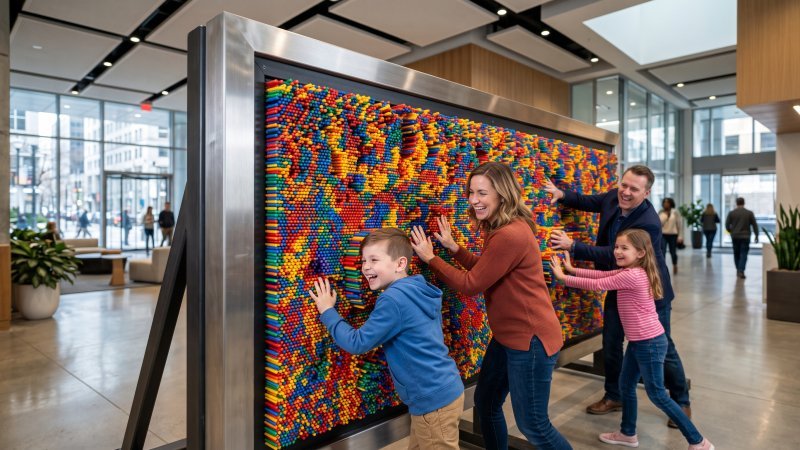
Just how much should your business budget to buy a commercial giant 3D pin wall?
The average purchase price for a commercial giant 3D pin wall ranges from $7,000 to over $26,000. Small to medium units typically cost between $7,000 and $12,000, while large and extra-large installations run from $15,500 up to $26,200. Prices depend heavily on the overall dimensions, the total number of pins, and the durability of the frame construction.
Average Purchase Prices by Size and Specification
Small to Medium Commercial Units
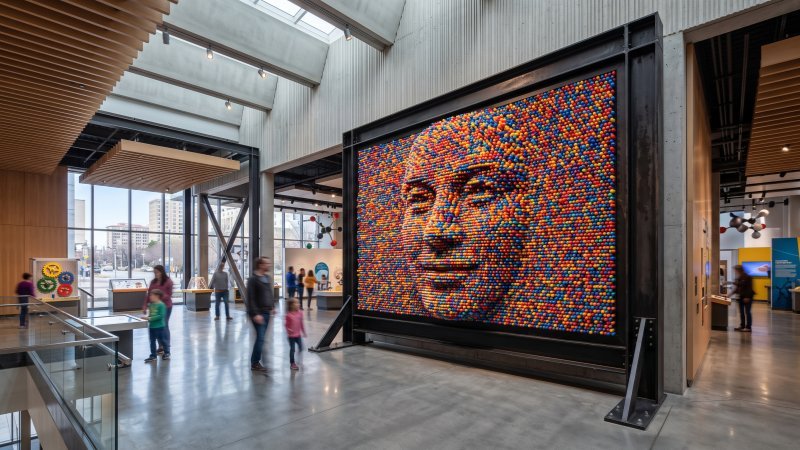
Small to medium pin walls are the most common choice for corporate lobbies, pediatric waiting rooms, and local family entertainment centers. These units usually measure around 4 feet wide by 5 feet tall.
At this size, the pin wall offers enough surface area for one or two people to interact at the same time. You can expect to pay anywhere from $7,000 to $12,000 for these models. Look at the baseline: entry-level commercial units designed for heavy museum use usually start right around $7,000. Step up to premium 4×5 foot systems, such as the Clone Box™ Giant Pin-Wall by LiteZilla, and you are starting closer to $8,100.
These models typically feature a free-standing steel frame and tens of thousands of soft-tipped ABS plastic pins. Think of the pin density like the pixel resolution on an LED video wall screen. A smaller frame still requires a very high density of pins to capture detailed shapes like hands or faces. Since pin density and plastic commodity costs fluctuate, always verify the exact pin count and current pricing details directly with your exhibit supplier.
Large and Extra-Large Installations
Large and extra-large installations are designed for high-traffic environments. These spaces include major science museums, indoor theme parks, and large-scale brand activations.
These massive walls typically range from 6 feet by 5 feet up to 8 feet by 5 feet or larger. Prices for these giant models start at around $15,500. Take Interactive Entertainment Group as a benchmark; they offer a standard 6×6 foot Giant Pin Art wall starting at $15,500. If you need maximum scale, an 8×5 foot system from top-tier builders can reach up to $26,200.
| Size Category | Typical Dimensions | Average Price Range | Best Used For |
|---|---|---|---|
| Small / Medium | 4′ x 5′ | $7,000 – $12,000 | Waiting rooms, small lobbies, local arcades |
| Large / Extra-Large | 6′ x 5′ to 8′ x 6′ | $15,500 – $26,200+ | Science centers, theme parks, major brand events |
What happens when you scale up to these massive dimensions? The manufacturing process becomes infinitely more complex. The frame must support immense weight. A full-sized 8-foot pin wall contains hundreds of thousands of individual pins. This requires heavy-duty structural engineering. It is very similar to how structural rigging trusses must be upsized when you build a larger multi-story tradeshow booth. The steel frame needs a wider footprint and thicker gauge metal to prevent the unit from tipping over.
“Scaling up a pin wall isn’t just about adding more pins. The internal support grid must be heavily reinforced to prevent the pins from bowing or jamming under their own combined weight.”
These larger units also allow groups of three to five people to press into the wall simultaneously. This makes them highly effective for collaborative group play in public spaces. To meet rigorous amusement park safety standards, these commercial-grade systems are engineered with internal friction dampers or safety stroke limiters. This crucial safety mechanism prevents the pins from being rapidly punched through to the opposite side, protecting guests from accidental kinetic impact injuries during simultaneous two-sided play.
Giant Pin Wall Rental Rates for Events
When a permanent installation isn’t necessary, temporary rentals offer a flexible solution.
Renting a giant pin wall typically costs between $695 and $1,575 per day, depending on the rental company and unit size. Most event suppliers charge a flat rate for a standard four-to-eight-hour block. Multi-day or weekly rentals usually offer discounted daily rates, meaning a full weekend might only cost the equivalent of one and a half single days.
Daily and Weekly Rental Averages
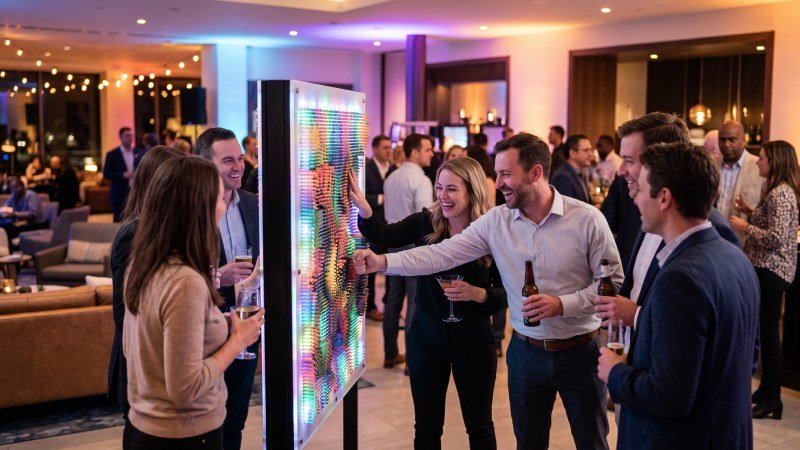
Let’s break down the actual day rates. Standard event rentals usually operate on a daily rate system. For a standard 4-foot by 6-foot pin wall, you will normally pay between $695 and $750. This price typically covers a standard event duration of four to eight hours.
But if you need a serious footprint, premium rental companies offering larger 6-foot by 6-foot units often charge a higher premium. High-end providers in major metro areas quote daily rates around $1,575.
| Rental Duration | Average Cost Range | Best For |
|---|---|---|
| Hourly (Overtime) | $75 – $100 per extra hour | Extending a standard evening party |
| Single Day (4-8 Hrs) | $695 – $1,575 | Corporate parties, single-day festivals |
| Multi-Day / Weekly | $1,200 – $2,500+ | Trade shows, weekend brand activations |
Planning to deploy this at a multi-day trade show? Weekly rates will save your budget. Event vendors rarely charge the full daily rate for every single day. Instead, they use a sliding scale.
Think of it like renting a modular pipe-and-drape system for an expo hall. The first day covers the heavy lifting and setup costs, while subsequent days simply cover the equipment holding fee. That means a three-day rental might only cost you around 1.5 times the single-day rate.
What is Usually Included in the Rental Fee?
When you sign a rental contract, the base price usually covers the physical equipment and basic event services. Out of the gate, the fee includes the giant pin board itself. Next, most vendors include standard delivery within a specific local radius. Crucially, the price typically covers the complete setup and teardown labor.
This means the event crew will roll the unit into your venue, lock the heavy-duty casters in place, and ensure it is safe.
On the higher end, some premium rental packages also include an on-site attendant. Select rental companies provide a dedicated staff member to monitor the interactive game and help guests take fun photos. Always confirm with your vendor exactly what labor and logistics are included in your specific quote.
Here is a breakdown of what you can generally expect in a standard package:
- The Equipment: The fully assembled interactive pin wall.
- Standard Setup: On-site installation and final safety checks.
- Local Delivery: Transportation within a standard 20-mile to 30-mile radius.
- Basic Cleaning: Sanitizing the pins before and after your event.
Key Factors That Influence the Final Price
Several specific features and upgrades will directly impact the final invoice of your interactive display.
The final price of a commercial giant 3D pin wall is determined by the frame materials, the pin type, custom branding additions, and outdoor weatherproofing upgrades. Premium structural metals, custom Pantone color matching for corporate logos, and marine-grade outdoor treatments will significantly increase your total manufacturing cost.

Materials and Pin Types
It all starts with the skeleton. Manufacturers must build a heavy-duty frame. Most commercial frames use powder-coated steel. Steel is heavy, durable, and highly cost-effective for indoor structural support.
Then comes the interactive surface—the pins themselves. Giant commercial walls almost exclusively use soft-tipped ABS plastic pins rather than metal. Solid metal pins would make a 6-foot wall dangerously heavy and incredibly expensive to ship. That makes ABS plastic the only viable, lightweight, and highly durable alternative.
But don’t underestimate the sheer volume of parts; the pin count dictates the final labor and material costs. A higher pin density creates a sharper, more detailed 3D impression. Think of pin density just like the pixel pitch on a commercial LED video display. A tighter pitch requires thousands of additional individual components, which naturally drives up the final invoice.
Custom Branding and Color Options
When businesses buy interactive displays, they usually want to showcase their own brand. Standard base pricing typically includes a choice of stock pin colors. Standard runs stick to primary options like red, yellow, green, navy blue, light blue, grey, and clear. Choosing these off-the-shelf colors keeps your costs low.
Want to match a specific corporate brand identity? That’s going to cost you. If you require exact Pantone color matching for the pins to match your corporate logo, the manufacturer must run a custom plastic injection batch. This specific manufacturing process is quite expensive.
Beyond the pins, you also have to think about the exterior frame. Adding a custom-printed header sign or wrapping the steel base in full-color commercial vinyl will add hundreds or thousands of dollars to the final price.
| Branding Upgrade | Cost Impact | Production Time Impact |
|---|---|---|
| Standard Stock Pin Colors | Included in base price | None |
| Vinyl Frame Wrap | Low to Medium Increase | Adds 1 to 2 weeks |
| Custom Header Signage | Medium Increase | Adds 1 to 2 weeks |
| Pantone-Matched Pins | High Increase | Adds 4+ weeks |
Indoor vs. Outdoor Weatherproofing
Where you plan to place the pin wall drastically changes the manufacturing requirements. Standard models are engineered strictly for climate-controlled indoor environments like corporate lobbies or museums.
If you plan to place the unit outside at a theme park or outdoor festival, you must pay for weatherproofing upgrades. Outdoor units require UV-resistant plastic pins. Without UV protection, standard ABS plastic will quickly fade and turn brittle in direct sunlight. Make sure builders swap standard steel bolts for marine-grade stainless steel hardware to prevent severe rust.
Then there’s the physics of outdoor environments. Because a dense pin wall acts aerodynamically like a giant solid sail when the pins are pushed flat, you cannot simply rely on heavier steel base plates to prevent it from tipping over during a storm. To meet commercial amusement safety standards (such as ASTM F1487 or EN 1176), outdoor units must undergo strict wind-load engineering calculations and be permanently anchored to a solid foundation using concrete footings or deep chemical anchors. Shifting a 3D pin wall from indoor to outdoor specifications requires a premium investment to guarantee public safety.
Hidden Costs to Budget For
Beyond the sticker price of the unit itself, a complete budget must account for logistics and upkeep.
Beyond the base price, buyers must budget for LTL freight shipping, custom crating, professional installation labor, and ongoing maintenance. Shipping heavy displays usually costs between $500 and $1,500, while specialized exhibit installers charge hourly rates. Furthermore, you must purchase spare replacement pins and specialized cleaning supplies to keep the unit operational.
| Hidden Cost Category | Typical Price Range | Why It Is Needed |
|---|---|---|
| LTL Freight Shipping | $500 – $1,500+ | Transporting heavy items on commercial trucks. |
| Custom Wooden Crating | $200 – $500 | Protecting the fragile plastic pins during transit. |
| Professional Assembly | $50 – $150 per hour | Safely bolting and anchoring large steel frames. |
| Replacement Pins | $50 – $200 per batch | Swapping out bent or damaged plastic pieces quickly. |
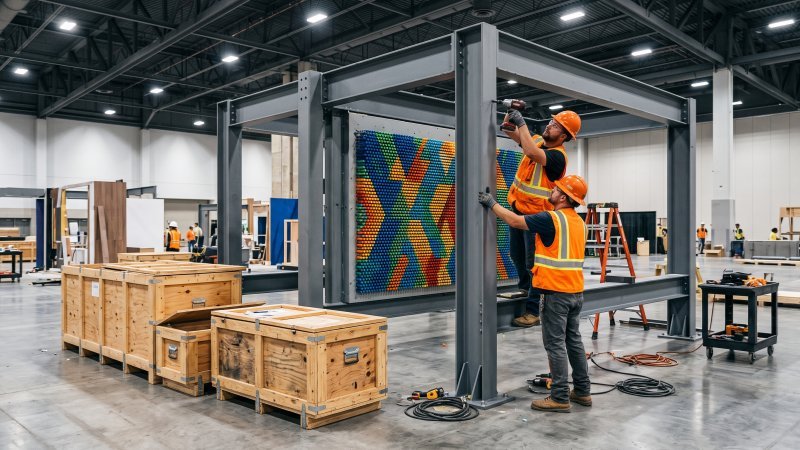
Freight Shipping and Handling
Commercial pin walls are not shipped via standard parcel delivery. Given their immense weight and awkward size, they ship via LTL (Less Than Truckload) freight.
Similar to shipping a modular trade show booth, the manufacturer builds a custom wooden crate. This heavy-duty crate protects the thousands of plastic pins during transit. Custom crating alone can easily add several hundred dollars to your invoice. Depending on the final destination, freight delivery costs generally range from $500 to over $1,500. And here’s a logistical trap: if your venue lacks a dedicated loading dock, you must pay extra for a truck equipped with a liftgate.
Professional Installation Requirements
Smaller commercial units often arrive fully assembled on heavy-duty locking casters. You can practically roll them off the shipping pallet and right into the lobby.
Scale that up, though, and large or extra-large installations require professional assembly. A massive 8-foot wall is typically shipped in multiple heavy sections. Similar to erecting a custom museum exhibit, you need professional installers. These experts must carefully bolt the heavy steel frame together. They also anchor it safely to the floor or wall to prevent tipping. If you place the unit inside a major convention center, you might even be required to hire local union labor. Because assembly needs vary greatly by size, always verify the exact installation requirements and safety anchoring details directly with your supplier.
Maintenance and Replacement Pins
Even with highly durable ABS plastic, the pins will eventually suffer from daily wear and tear. Overenthusiastic guests might bend a pin, or a piece might jam after heavy use.
To prevent unnecessary downtime, secure a bulk bag of backup replacement pins. Think of backup pins like keeping spare mallet heads for a commercial Whac-A-Mole arcade game or extra basketballs for a pop-a-shot machine. Having them ready keeps a minor issue from shutting down the entire attraction.
Don’t forget about daily sanitation. You cannot simply spray harsh chemical cleaners onto the wall. Strong chemicals will permanently damage the plastic. Instead, invest in manufacturer-approved cleaning solutions or specialized electrostatic sanitizing sprayers.
Should You Rent or Buy for Your Business?
Choosing the right procurement strategy is crucial for maximizing your return on investment.
Deciding between purchasing and renting a commercial giant 3D pin wall depends heavily on your event frequency. Purchasing is the most cost-effective strategy for permanent installations or businesses executing more than five events annually. Conversely, renting remains the financially sound choice for one-off trade shows or companies lacking the warehouse infrastructure to store heavy exhibit assets.
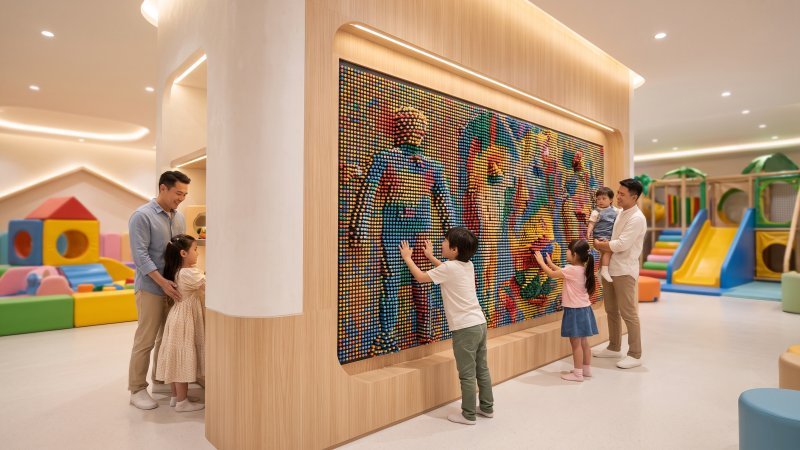
Best Scenarios for Purchasing
Purchasing your own equipment requires a large upfront capital investment. That said, it provides a massive return on investment (ROI) for specific business models. Take permanent entertainment venues—they should always buy their units outright. Places like pediatric clinics, science museums, and corporate lobbies use these interactive walls daily. In these permanent spaces, the wall becomes a long-term architectural asset.
Experiential marketing agencies also benefit greatly from purchasing. If your agency runs a multi-city brand tour, renting equipment in every single city quickly destroys your budget. Think of this process like buying a custom modular exhibit booth. Purchasing the aluminum structure upfront is much cheaper than renting temporary walls for ten different national shows.
Run the math, and the financial break-even point for a medium-sized pin wall happens after seven to ten event days. If you plan to use the wall for more than ten days a year, buying is the clear winner. Because equipment lifespan and warranty terms can heavily influence this break-even calculation, verify the exact durability ratings and guarantee periods directly with your supplier.
When Renting Makes More Financial Sense
Renting is the ultimate solution for short-term needs and single events. Many times, a business only needs an interactive attraction for an annual holiday party. Or maybe they just need a unique crowd draw for a single weekend trade show. In these specific cases, renting avoids tying up your cash in heavy, depreciating equipment.
More importantly, renting completely eliminates major logistical headaches. When you own a giant display, you must pay for climate-controlled warehouse storage year-round. You must also maintain the unit and repair it. Renting an interactive wall works exactly like hiring an AV production company for a corporate keynote. You pay them to bring a massive commercial laser projector, run it perfectly, and take it away when the show ends. You never have to worry about storing it or fixing broken lenses.
| Decision Factor | Renting is Best If… | Buying is Best If… |
|---|---|---|
| Event Frequency | 1 to 4 days per year | 10+ days per year |
| Logistics Team | You have no dedicated event staff | You have an exhibit management team |
| Storage Space | You have zero warehouse space | You own a storage facility or permanent venue |
| Budget Type | You have a small, one-time event budget | You have a large capital expenditure budget |
Bottom line: if your marketing team lacks a dedicated logistics crew, renting is the safer bet. The rental provider handles the heavy lifting, the wooden shipping crates, and the technical installation labor. This allows your team to focus entirely on talking to potential customers instead of building heavy steel frames.
Conclusion
A commercial giant 3D pin wall is a high-impact interactive installation that naturally draws crowds and encourages physical engagement. Sure, the initial costs can seem steep—ranging from $7,000 for standard units to over $26,000 for custom-branded, extra-large outdoor models—but their durability and unique appeal make them a strong investment for permanent venues. By carefully evaluating your event frequency, logistical capabilities, and ensuring strict adherence to commercial safety standards, you can confidently decide whether renting or buying makes the most sense for your project.