-
Whatsapp: +86 15516933785
-
Email: hanlin@hanlinplayground.com
-
Address: Shangjie District, Zhengzhou City, Henan Province, China
-
Whatsapp: +86 15516933785
-
Email: hanlin@hanlinplayground.com
-
Address: Shangjie District, Zhengzhou City, Henan Province, China


Commercial 3D Pin Walls: Plastic vs. Metal Pins – Which is Better?
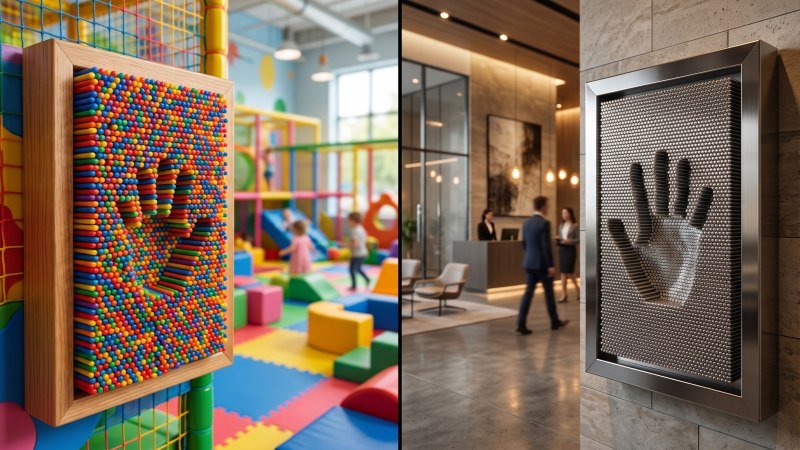
When deciding between plastic and metal for a commercial 3D pin wall, which material is truly the better investment for your specific interactive space?
The best material depends entirely on your venue’s target audience and structural capabilities. Plastic pin walls are lightweight, highly customizable, and extremely safe, making them the superior choice for children’s spaces like family entertainment centers. Conversely, metal pin walls offer heavy-duty durability, premium acoustic feedback, and a high-end architectural aesthetic that is perfect for adult-focused corporate lobbies and upscale galleries.
Matching the Material to Your Specific Venue and Audience
How do you determine whether a plastic or metal 3D pin wall is the right fit for your commercial space?
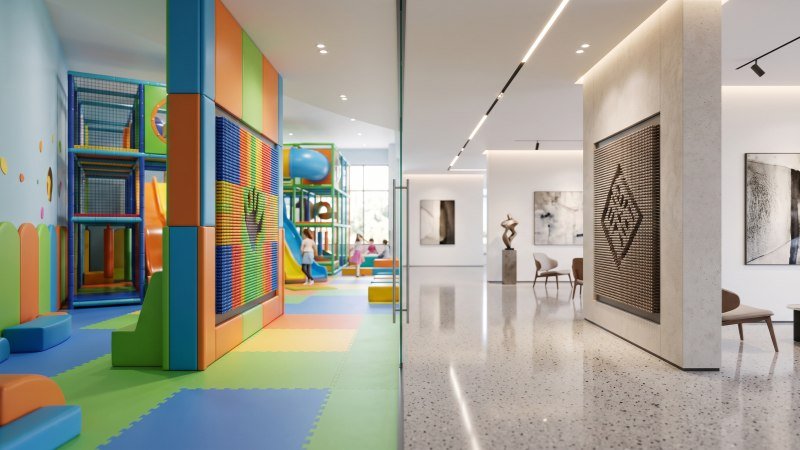
The best choice depends entirely on your primary audience. You must select plastic pins for children’s venues to ensure a safe, lightweight, and hazard-free environment. Conversely, you should choose metal pins for adult-focused spaces that require a premium, heavy architectural aesthetic.
Why Plastic Excels in Family Entertainment Centers and Schools
Let’s look at children’s spaces first. Family Entertainment Centers (FECs) and schools experience chaotic, high-energy foot traffic. In these environments, plastic 3D pin walls are the clear winner. Why? Simply put, children push, run, and fall.
Ever watched a group of energetic kids test the physical limits of a new playground installation? If you have, you know exactly why commercial equipment must absorb that kinetic energy safely. Think of this like outfitting a commercial trampoline park. You would install high-density foam padding over structural steel bars, rather than leaving the bare metal exposed to guests. Similarly, plastic pins offer a much softer physical interaction. Add to that, these plastic pins are incredibly light. As a result, a child accidentally falling against the wall faces a much lower risk of heavy compression injuries compared to a dense metal structure.
Beyond safety, the tactile response is smooth and requires very little force. Young children with developing motor skills can easily manipulate the plastic pins. Be aware that safety depends heavily on pin head design; you must verify with your supplier that the pin heads feature a wide, smooth radius to strictly prevent eye injuries during accidental collisions.
When to Choose Metal for Corporate Lobbies and Art Galleries
Shift gears to corporate lobbies and galleries, and you are dealing with a completely different crowd. Adults interact with interactive installations much more deliberately. Because of this, their expectations for quality, feel, and acoustics are significantly higher. In these upscale environments, a metal pin wall acts as an interactive architectural fixture rather than a playground toy.
Consider the difference between a high-end interactive museum exhibit built from machined aluminum and a standard plastic playground panel. The metal structure carries physical weight and feels cold to the touch. This heavy weight instantly communicates premium quality to the user. Metal pin walls, usually constructed from stainless steel or treated iron, operate on this exact same principle.
Beyond the visual appeal, metal pins provide a distinct, heavy resistance when pushed. This creates a highly satisfying, premium tactile experience for adult users. Visitors at a corporate tech headquarters or an interactive art exhibit expect this level of sophistication. That heavy tactile feedback is what transforms a simple novelty item into a mature, impressive piece of kinetic art.
Safety and Liability Considerations for Public Interactivity
Meanwhile, every commercial operator must carefully evaluate facility liability. An interactive exhibit means customers are physically manipulating your equipment. That means safety risks change drastically depending on the pin material you choose. Do you know exactly what risks your specific venue can tolerate?
Plastic walls heavily reduce blunt force trauma in unmonitored zones. The lightweight polymer pins cannot easily trap fingers. Flip the script to metal walls, and you require much more operational caution. Thousands of heavy steel pins pack serious, dense mass into a small frame. If a guest forcefully strikes a metal wall, the rigid metal will not yield easily. This can directly lead to bruised knuckles or pinched fingers.
Here is the bottom line: facility managers must align the material choice with their venue’s daily supervision level.
| Safety Factor | Plastic Pins (Polycarbonate/Nylon) | Metal Pins (Steel/Iron) |
|---|---|---|
| Impact Yield | High yield; pins slide easily to absorb kinetic energy. | Low yield; heavy mass requires deliberate, strong force. |
| Blunt Trauma Risk | Low; requires smooth, oversized pin heads to protect eyes. | Moderate; risk of surface bruising upon forceful impact. |
| Pinch Point Hazard | Extremely low due to the lightweight plastic material. | Moderate; heavy metal pins can pinch small fingers. |
| Supervision Needed | Low; ideal for unattended free-play zones. | High; best for actively monitored lobbies or exhibits. |
Ultimately, commercial liability insurance policies often dictate what interactive elements you can safely install. Always review your general liability guidelines before placing a heavy kinetic metal structure in a high-traffic public walkway.
Durability and Maintenance in High-Traffic Environments
Evaluating the long-term durability of plastic and metal 3D pin walls requires understanding how each material withstands the relentless wear and tear of a busy commercial environment.
Metal pin walls offer superior resistance to blunt force vandalism and heavy daily wear, making them ideal for high-impact zones, though they require strict rust prevention. Conversely, plastic pin walls resist moisture perfectly but are susceptible to long-term UV degradation and dangerous brittle fractures if cheap polymers are used. Consequently, your maintenance strategy must align directly with the material’s specific environmental vulnerabilities.
Assessing Resistance to Vandalism and Daily Wear
In commercial spaces, daily wear often borders on vandalism. Guests will inevitably pull, twist, and strike the interactive surfaces. Structural integrity is paramount. Metal 3D pin walls excel in these harsh conditions. Manufacturers typically use solid steel or heavy-duty iron pins. As a result, these metal components strongly resist snapping. Instead of breaking, a severely abused metal pin might simply bend.
Plastic pin walls, however, face critical structural challenges. If a user forcefully pulls down on a cheap plastic pin, the brittle shaft can snap entirely. This creates a severe safety hazard. Broken plastic leaves sharp, jagged edges that can cause deep cuts. Worse yet, snapped pin heads become immediate choking hazards for toddlers.
This is why you can never spec standard brittle plastics for high-traffic zones. Strict safety standards require impact-resistant modified polymers, such as polycarbonate (PC) or flexible nylon. These engineering-grade materials will safely yield and bend under extreme stress rather than fracturing into dangerous shards.
Rust Prevention versus UV Degradation
Environmental factors degrade materials just as quickly as physical abuse. But metal and plastic face entirely different environmental enemies. Metal pin walls constantly battle oxidation. Moisture from human hands and ambient humidity will rapidly rust untreated iron. For this reason, commercial metal walls require high-grade stainless steel, like Type 304, or thick protective coatings.
Switching back to plastic, these walls are completely immune to rust. They thrive in humid environments. Yet, plastic has a major hidden weakness: ultraviolet (UV) light. If you place a plastic pin wall in a bright, sunlit atrium, UV rays will gradually break down the polymers. The result? The plastic becomes brittle and the vibrant colors fade. This is similar to how outdoor commercial playground tubes lose their structural integrity and fade after years of direct sunlight exposure.
Cleaning Protocols for Tactile Surfaces
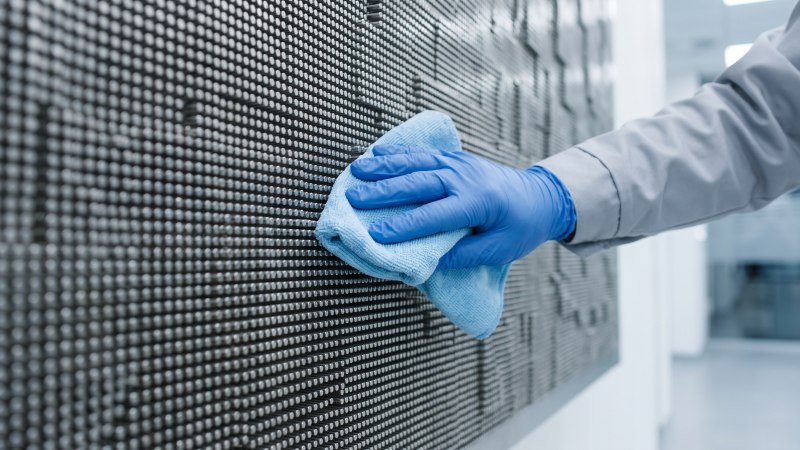
Thousands of individual pins create a massive surface area for bacteria. That makes daily sanitation a major operational hurdle for any facility. Your custodial staff must clean between closely packed pins without damaging the unit.
Are your custodial crews going to spend hours delicately wiping down thousands of individual pins with specialized soft cloths? Let’s be realistic. You need efficient cleaning protocols.
Cleaning metal walls is generally straightforward regarding chemical compatibility. You can safely use commercial-grade disinfectants and alcohol-based solvents on stainless steel. These harsh chemicals quickly eradicate germs without degrading the metal surface.
Plastic walls, on the other hand, require much gentler cleaning protocols. Harsh solvents can melt, pit, or cloud acrylic and modified plastics. Therefore, you must use mild, non-abrasive soapy water or specialized plastic-safe sanitizers.
| Maintenance Category | Plastic Pin Walls | Metal Pin Walls |
|---|---|---|
| Primary Environmental Threat | UV rays (causes brittleness and fading). | Moisture and humidity (causes rust). |
| Chemical Resistance | Low; harsh solvents permanently damage the surface. | High; easily withstands industrial disinfectants. |
| Physical Vulnerability | Dangerous brittle snapping (if using cheap polymers). | Bending under extreme blunt force. |
| Typical Lifespan | 3 to 5 years under heavy commercial use. | 10+ years with proper rust prevention. |
Budgeting for Procurement, Shipping, and Installation
How much should you expect to spend when purchasing, shipping, and installing a commercial 3D pin wall?
The total budget depends heavily on your material choice. Plastic pin walls offer lower upfront costs and cheaper freight, but still demand rigorous structural installation. Conversely, metal pin walls require a significantly higher initial investment due to expensive heavy freight shipping, specialized structural wall reinforcement, and premium manufacturing costs.
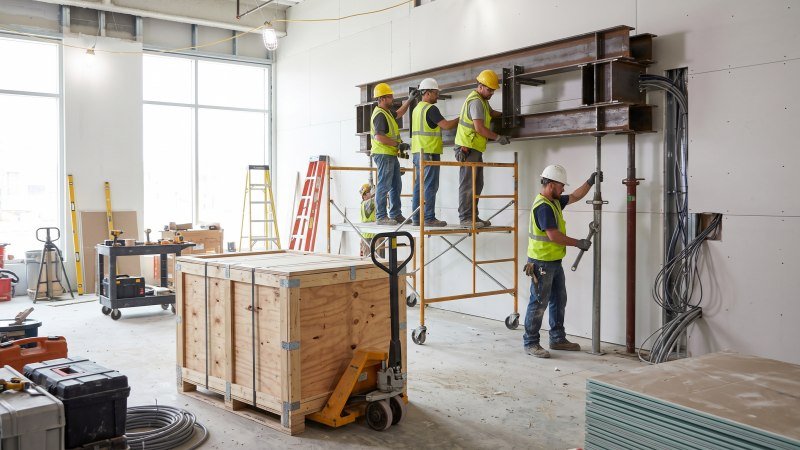
How Extreme Weight Differences Impact Freight Costs
Freight costs often surprise first-time buyers. The material you choose changes the shipping price drastically. Why does this happen? The answer is simple mass.
Metal pin walls are incredibly heavy. A standard 4-foot by 8-foot metal unit can weigh many hundreds of pounds. You must ship it using specialized less-than-truckload (LTL) heavy freight. This process is very expensive. Moving the large crate from the delivery truck into your building requires heavy-duty pallet jacks and a dedicated commercial loading dock. Think of this like shipping a heavy-duty commercial arcade simulator cabinet. The physical logistics are complex and costly.
In contrast, plastic pin walls are exceptionally light. Suppliers can ship them in much lighter boxes, meaning freight fees drop significantly. A single staff member can usually carry a modular plastic panel right through a standard doorway. Because shipping weights and crating dimensions vary greatly depending on the specific pin density and frame structure, you should always verify the exact freight weight and shipping class with your supplier before ordering.
Wall Bearing Requirements and Structural Support
You cannot simply hang a massive commercial pin wall like a standard framed picture. Would you hang a 500-pound dynamic load on a standard drywall stud? Obviously not. The installation process demands serious structural planning to prevent catastrophic accidents.
Although plastic panels are lightweight, you must never mount them directly to standard drywall using basic wall anchors. Children will inevitably pull, lean, and attempt to climb on the interactive surface. This creates a massive dynamic load. Drywall anchors will instantly rip out under this kinetic stress, causing the entire heavy acrylic frame to collapse onto the guests.
Instead, commercial safety standards require strict structural reinforcement. Your installation crew must install heavy plywood or steel blocking behind the drywall, or mount the panels directly to an independent structural steel frame. This is very similar to installing commercial indoor rock climbing walls; the underlying support must handle extreme, unpredictable human body weight safely.
Naturally, metal walls present an even larger engineering challenge. The extreme static weight of thousands of steel pins pulls constantly on the frame. You need massive structural support. In fact, manufacturers often design heavy metal units to rest directly on the floor to carry the weight safely without relying solely on the wall studs.
| Installation Factor | Plastic Pin Walls | Metal Pin Walls |
|---|---|---|
| Wall Anchoring | Heavy blocking or independent steel frame | Reinforced steel backing |
| Installation Crew | 1 to 2 standard maintenance staff | Specialized rigging or construction crew |
| Structural Load | Moderate dynamic load from pulling/climbing | Extreme static load; often requires floor-bearing support |
| Prep Complexity | Moderate architectural planning required | Extensive architectural planning required |
Upfront Pricing Compared to Long-Term Value
When you plan your budget, you must look far beyond the initial sticker price. You need to calculate the true long-term value for your facility.
Plastic pin walls win clearly on upfront pricing. The raw polymers cost less to produce, and the injection molding manufacturing process is very fast. If you have a very tight startup budget for a new commercial space, plastic is undoubtedly your best choice.
However, metal pin walls act as a long-term capital investment. Yes, the upfront cost is often shocking. Yet, the long-term value eventually balances out.
A higher upfront cost often results in a lower total cost of ownership over a ten-year commercial lease.
You will likely need to replace a plastic wall entirely after a few years of non-stop heavy use. A properly maintained metal wall, on the other hand, will last for decades. You pay one large fee for metal, but you might pay three separate replacement fees for plastic over a ten-year period. You must decide if your current cash flow supports a massive upfront expense.
Visual Impact and The Sensory Experience
The visual aesthetics and sensory feedback of plastic and metal 3D pin walls create entirely different atmospheres within an engaging interactive space.
Plastic pin walls offer extensive color customization and deliver a quiet, lightweight sensory experience suitable for vibrant branding. In contrast, metal pin walls provide a high-end, monochromatic visual aesthetic and produce a distinct, heavy acoustic clatter that appeals to sophisticated architectural environments.
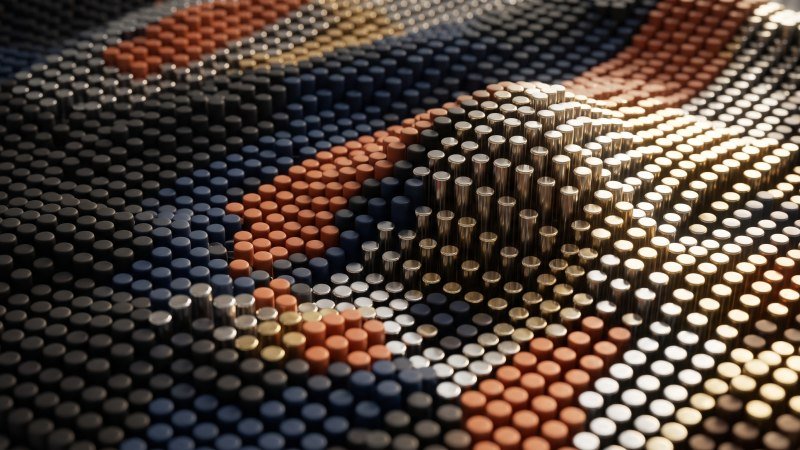
Color Customization Options for Brand Alignment
Plastic pins excel in color variety. Manufacturers produce plastic pins using injection molding, which allows them to mix dyes directly into the raw polymer. That means you can match your company’s exact Pantone colors. Taking it a step further, suppliers can create multi-colored walls to form permanent logos or vibrant patterns. This process is very similar to customizing the vibrant molded plastic slides in a large indoor playground.
Metal pins offer a completely different visual aesthetic. Specifically, metal limits your color choices heavily. Usually, you must choose between standard silver, brass, copper, or anodized black finishes.
The payoff is that metal walls convey a sleek, industrial look. They reflect ambient room lighting beautifully. If your brand identity relies on bright colors, plastic is the superior choice. If your brand requires a minimalist architectural style, metal is the perfect material.
Tactile Feedback and Acoustic Differences During Use
The physical interaction defines a 3D pin wall. Let’s examine the tactile feedback. Pushing plastic pins feels incredibly smooth and lightweight. In contrast, metal pins feel cold, heavy, and substantial. Pushing a large section of metal pins requires deliberate physical effort. Think of this difference like pressing a lightweight plastic arcade button versus flipping a heavy commercial steel toggle switch. The resulting sensory weight is entirely different.
Next, you have to consider the acoustic environment. Sound plays a massive role in interactive design. Generally, plastic pin walls are very quiet. They produce a soft, muted sliding sound during use. That makes them perfect for spaces where you do not want to add extra background clatter.
Metal pin walls create a loud, cascading metallic sound. When a user pushes a large cluster of metal pins, the resulting noise echoes significantly. This acoustic feedback is highly satisfying for the user, but this loud clanking might easily disrupt a quiet workspace.
| Sensory Feature | Plastic Pin Walls | Metal Pin Walls |
|---|---|---|
| Acoustic Profile | Soft, muted sliding sound | Loud, cascading metallic clatter |
| Tactile Resistance | Very low friction and lightweight | Heavy resistance and substantial mass |
| Temperature Feel | Room temperature and neutral | Cold to the initial touch |
“The sound of a commercial installation is just as important as its visual footprint; always plan for the acoustics of interactive surfaces.”
The Final Buyer Checklist
What are the most critical final steps and specifications you must confirm before purchasing a commercial plastic or metal 3D pin wall?
Before finalizing your purchase, you must aggressively vet your manufacturer regarding pin tolerances, fire safety certifications, and warranty terms. Furthermore, you must determine whether your space requires standard modular panels or highly engineered custom dimensions to ensure a seamless architectural fit.

Key Questions to Ask Your Manufacturer Before Ordering
Never assume all manufacturers produce equal quality. You must ask highly specific technical questions to protect your capital investment and facility safety.
Crucially, you must demand proof of fire retardancy. A massive wall of standard plastic acts as a highly concentrated fuel load. Ordinary ABS or PE plastic burns rapidly and releases toxic black smoke. That is exactly why strict commercial fire codes require large plastic installations to hold specific fire retardant certifications, such as ASTM E84 Class A or EN 13501. If your supplier cannot provide this documentation, your local fire marshal will immediately fail your facility inspection.
Next, you must inquire about internal machining tolerances. The tiny physical gap between the pin shaft and the acrylic face plate determines how smoothly the wall operates. Think of this like specifying the exact clearance tolerances for the internal gears of a mechanical arcade redemption game. If the holes are too tight, the pins will jam constantly. If the holes are too loose, the pins will sag and look unprofessional.
Finally, what happens when—not if—a user accidentally damages a small section of your interactive display? You need to know if the supplier sells spare parts. Always ask if you can purchase a separate bucket of loose replacement pins.
| Critical Vendor Question | Why This Matters for Your Business |
|---|---|
| Does the plastic meet ASTM E84 / EN 13501 fire ratings? | Ensures the massive plastic structure passes commercial fire marshal inspections. |
| Are the pins made from shatter-resistant polymers (like PC)? | Prevents brittle snapping that creates dangerous sharp edges and choking hazards. |
| What is the pin-to-hole clearance tolerance? | Dictates the friction level and how smoothly the interactive wall operates. |
| Do you sell loose replacement pins? | Ensures you can fix localized damage without replacing the entire unit. |
Navigating Modular Sizing and Custom Dimensions
After vetting the vendor, you must finalize the physical footprint of your installation. Commercial buyers generally choose between modular panel systems and custom monolithic builds. Your material choice heavily dictates this sizing strategy.
Plastic pin walls almost always utilize a modular design. Manufacturers injection mold standard square panels. Commonly, these measure roughly 24 by 24 inches. This means you can easily bolt multiple panels together to cover a massive surface area. This approach is very similar to assembling modular safety flooring tiles in an indoor playground. If one specific section fails, your maintenance team simply swaps out that single lightweight tile.
Metal pin walls usually require exact custom dimensions. Because of their extreme mass, you cannot easily stack modular metal frames. Instead, manufacturers must fabricate a single, heavy-duty structural chassis to fit your exact architectural space.
You must provide the vendor with precise engineering measurements. You cannot simply guess the dimensions. Always account for ceiling clearance, floor grading, and baseboard height. If a custom metal frame arrives even one inch too tall, it will not fit your space.
Precision in your initial architectural measurements eliminates expensive fabrication errors and ensures a perfect installation.
Conclusion
At the end of the day, choosing between plastic and metal commercial 3D pin walls comes down to successfully balancing safety, aesthetics, and budget for your specific facility. By carefully evaluating dynamic structural loads, fire retardancy requirements, and your target audience’s interaction style, you can confidently select the perfect material to create a safe, engaging, and long-lasting interactive experience for your guests.