-
Whatsapp: +86 15516933785
-
Email: hanlin@hanlinplayground.com
-
Address: Shangjie District, Zhengzhou City, Henan Province, China
-
Whatsapp: +86 15516933785
-
Email: hanlin@hanlinplayground.com
-
Address: Shangjie District, Zhengzhou City, Henan Province, China

What Are the Hidden Costs of Opening an Indoor Playground?
What unexpected expenses will quietly drain your budget when trying to launch a new indoor playground business?
The hidden costs of opening an indoor playground primarily consist of municipal zoning permits, mandatory building code upgrades for public assembly, comprehensive commercial insurance policies, international shipping tariffs for equipment, and critical pre-opening operational capital. Failing to budget for these secondary expenses routinely causes severe cash flow shortages before the facility ever opens its doors.
Navigating Zoning Laws and Building Permits
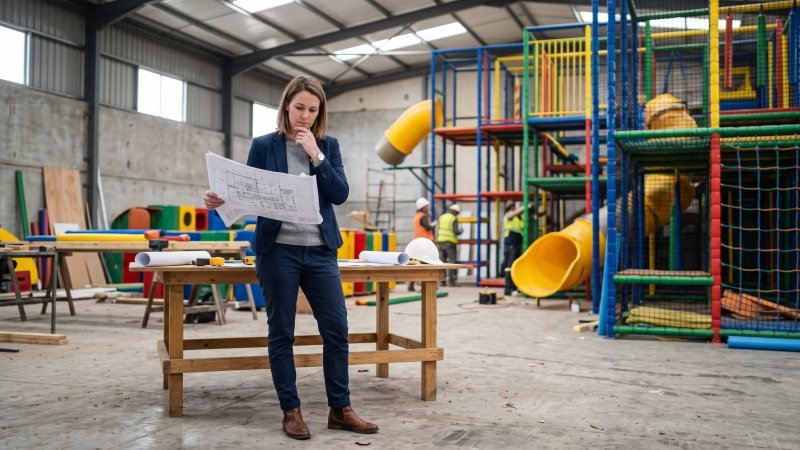
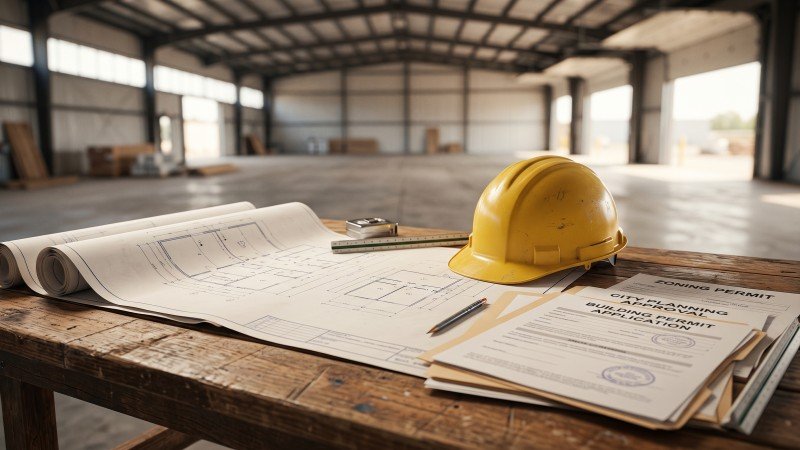
Zoning laws and building permits generate unexpected costs because commercial spaces require specific recreational zoning classifications, expensive municipal impact fees, and mandatory architectural plans. Owners must secure a Certificate of Occupancy, which routinely delays opening by several months and demands significant upfront capital for municipal compliance.
The Cost of Change of Use Applications
Here’s the reality: most entrepreneurs lease empty retail stores or warehouses. However, cities classify buildings into different use groups. A standard warehouse is usually zoned for storage or industrial use, while an indoor playground falls under public assembly.
That means you’re on the hook for a Change of Use application. This process is never free, and you cannot simply submit a basic floor plan to the city. Instead, municipalities require stamped blueprints from a licensed commercial architect who must prove the building can safely handle a high volume of children and parents.
Think of it like upgrading a standard redemption arcade into a high-capacity commercial laser tag arena. The city views the structural and traffic impact very differently. Architectural fees for these blueprints typically range from $3,000 to $10,000. On top of that, cities pile on application fees, zoning review fees, and sometimes specialized traffic impact fees.
Fire Safety and ADA Accessibility Upgrades
When your occupancy classification changes, your building code requirements become much stricter. Naturally, filling a room with running children means the fire marshal will demand a higher level of safety.
Let’s look at fire codes. You will likely need to upgrade the fire sprinkler system. Retail stores require standard sprinkler coverage, but an indoor playground with a massive three-story jungle gym often blocks those standard ceiling sprinklers. Do you really want to discover your sprinkler grid is non-compliant after a massive play structure is already bolted to the floor? To prevent this, you might need to drop sprinkler heads lower or install a denser grid. Because sprinkler head density and water pressure requirements vary significantly based on local codes and structure heights, always verify the exact equipment height specifications with your supplier to ensure they align with your local fire marshal’s clearance requirements.
Then there is the Americans with Disabilities Act (ADA) compliance. An old warehouse might have one small restroom. An indoor playground needs multiple ADA-compliant family restrooms, wider doors, and wheelchair-accessible entry ramps.
| Building Feature | Standard Retail Space | Indoor Playground (Assembly) | Estimated Upgrade Cost |
|---|---|---|---|
| Restrooms | 1-2 standard stalls | Multiple ADA-compliant family restrooms | $15,000 – $30,000 |
| Fire Sprinklers | Basic ceiling grid | High-density grid, drop sprinklers | $10,000 – $40,000 |
| Exits | Standard doors | Panic hardware, illuminated exit paths | $2,000 – $5,000 |
These mandatory construction upgrades frequently catch new owners completely off guard, instantly draining the startup budget.
Rent Burn During Approval Delays
Time is money, especially in commercial real estate. Rent burn happens when you pay rent on a building you cannot legally use yet.
Typically, a landlord requires you to sign a commercial lease before you apply for permits. The catch is that city approval processes are notoriously slow. Getting your building permits and your final Certificate of Occupancy often takes three to six months. During this waiting period, your playground generates zero revenue.
If your monthly rent is $6,000, a four-month delay means you lose $24,000 before opening your doors. This is a massive hidden cost. To protect your budget, you must negotiate a rent abatement period. Experienced operators often secure 90 to 120 days of free rent in their lease agreement specifically to cover this permitting phase. Without this buffer, rent burn can destroy your cash reserves before the playground equipment even arrives.
Comprehensive Insurance Requirements
Indoor playgrounds face exceptionally high insurance premiums due to the inherent physical risks of active play environments. Operators must secure multi-layered coverage, which includes general liability, property, workers’ compensation, and cyber insurance. These policies often total between $15,000 and $40,000 annually, depending on the facility size.
General Liability and Umbrella Policies
General liability insurance is the absolute foundation of your business protection. This policy covers bodily injuries if a child gets hurt while playing.
It’s easy to underestimate this expense. Owners often assume playground insurance costs the same as standard retail insurance, but let’s be honest, the risks are vastly different. Think of it like comparing a traditional retail toy store to a high-speed commercial go-kart track. The go-kart track faces constant collision risks, and similarly, indoor playgrounds face constant fall and trip risks.
Landlords typically require operators to carry a minimum of $1 million per occurrence and $2 million in aggregate coverage. Because premium rates fluctuate significantly based on local regulations and the exact equipment mix, always verify the required coverage limits directly with your specialized insurance broker.
Sometimes, basic general liability isn’t enough. Landlords often demand an umbrella policy to provide additional coverage if a massive lawsuit exceeds your primary liability limits. Think of it as your ultimate financial safety net.
Workers Compensation and Property Damage
Protecting your guests is only half the battle. You must also protect your employees and your physical assets.
Workers’ compensation insurance is legally required in most states, covering medical bills and lost wages if an employee is injured on the job. Playground staff do more than just scan tickets. They climb multi-level play structures for deep cleaning, and they routinely lift heavy safety mats. Because of this, these physical tasks increase the risk of workplace injuries.
Property damage insurance is equally critical. You are investing hundreds of thousands of dollars into custom playground equipment. What happens if a ceiling pipe bursts and ruins your commercial-grade safety flooring? Property insurance covers the cost to repair or replace those expensive assets.
| Insurance Type | Primary Protection Target | Common Claim Example |
|---|---|---|
| Workers’ Compensation | Employees | Staff member falls while cleaning a high tube slide. |
| Property Damage | Physical Assets | Roof leak destroys expensive electronic arcade games. |
Cybersecurity Insurance for Digital Waivers
You might wonder why a physical playground needs cyber insurance. The answer lies in how you collect customer data.
Modern indoor playgrounds rely heavily on digital waiver stations. Parents type their names, addresses, and children’s birthdates into iPads before entering. As a result, your business stores thousands of digital records containing Personally Identifiable Information (PII).
Hackers actively target businesses that hold sensitive family data. Just as a modern family entertainment center must strictly secure its point-of-sale systems against credit card theft, you must secure your digital waiver database.
Cybersecurity insurance covers the massive costs associated with a data breach. If a hacker steals your customer list, this insurance pays for legal fees, mandatory customer notification costs, and public relations efforts to repair your brand’s reputation. Without it, a single data breach could easily bankrupt a new playground.
Facility Build-Out and Installation Expenses
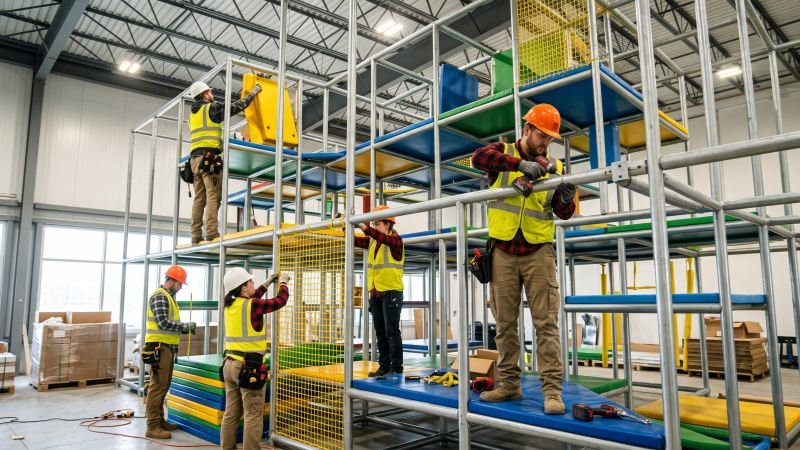
Facility build-outs and installation create massive hidden costs because raw equipment prices rarely include essential secondary expenses. Owners must budget heavily for specialized commercial safety surfacing, volatile international shipping tariffs, mandatory port fees, and highly specialized assembly labor. Furthermore, securing final operational approval requires paying certified third-party safety inspectors to verify the installation.
Commercial-Grade Flooring and Safety Surfacing
Are you surprised to learn that the ground beneath your equipment is a major expense? Safety surfacing is absolutely mandatory for commercial spaces because it actively prevents severe injuries from high falls.
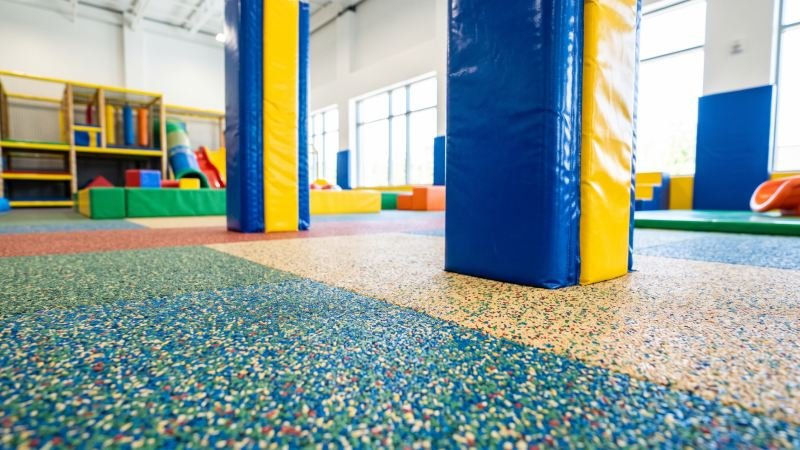
You simply cannot use standard residential foam mats. Instead, commercial playgrounds require heavy-duty impact materials that meet strict Critical Fall Height (CFH) ratings. Because required mat thickness varies heavily based on the highest standing platform of your play structures, always verify the exact fall height specifications with your equipment supplier to ensure your flooring choice meets the required safety standards.
| Surfacing Type | Estimated Cost Per Sq. Ft. | Durability | Typical Industry Application |
|---|---|---|---|
| High-Density EVA Tiles | $3.00 – $6.00 | Moderate | Toddler zones and low-impact soft play areas. |
| Poured-in-Place (PIP) Rubber | $10.00 – $18.00 | Excellent | High-traffic zones and beneath tall multi-level structures. |
Choosing cheap flooring initially will cost you more later. Low-grade mats wear out quickly under heavy foot traffic, requiring constant replacement.
International Shipping Duties and Port Fees
Did you know that the factory price of your play structure is only the beginning? Most commercial playground equipment is manufactured overseas, meaning you have to import it using massive shipping containers.
International shipping introduces heavy hidden logistics fees. First, you pay expensive ocean freight charges, and then you must cover customs duties and import taxes. Worse still, unexpected port fees can easily destroy your budget. Ever tried negotiating a demurrage fee with a port authority? If your transport trucks are late picking up the container, ports charge severe daily storage penalties.
Think of this like the logistics of importing massive commercial bowling alley lanes. The actual ocean transport is expensive, but unexpected customs delays and port penalties are financially lethal. The takeaway? Always hire a licensed customs broker to handle this complex paperwork.
Professional Assembly and Independent Safety Inspections
Who is actually building your massive indoor jungle gym? You cannot hire general handymen for this complex job. Commercial playground assembly requires highly specialized installation crews.
Just as an indoor zip-line course requires certified riggers, indoor play structures require expert commercial installers. Typically, professional assembly costs between 15% and 25% of your total equipment purchase price. Factor this in, too: owners often have to cover the installation crew’s airfare, hotel accommodations, and daily meals.
Even when the last bolt is tightened, you’re not ready to open. You must hire an independent, certified safety inspector to thoroughly test the equipment and verify that the complete installation meets strict ASTM or international playground safety standards. Only after passing this paid inspection can you legally allow children onto the equipment.
Pre-Opening and Early Operational Budget
Many owners fail because they exhaust their funds on the physical facility and ignore early operations. A safe budget must include pre-opening staff salaries, a six-month working capital reserve, and commercial cleaning contracts. Without these funds, businesses quickly face severe cash flow shortages during their initial launch phase.
Staff Recruitment and Paid Training Seminars
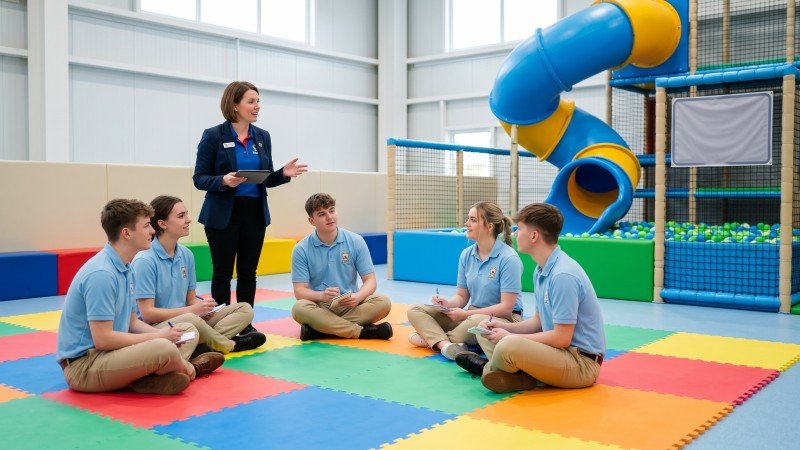
You cannot hire your team on opening day. Instead, you must recruit and train them weeks in advance. That translates to substantial wages paid long before selling a single ticket.
Your staff must learn your specific point-of-sale software. Beyond that, they need to drill down on complex safety rules. Just as a commercial trampoline park requires certified jump monitors to prevent collisions, your indoor playground needs extensively trained floor staff to manage active children.
This pre-opening phase includes mandatory training seminars where you pay for certified instructors to teach pediatric CPR and basic first-aid, plus the hourly wages for your employees to attend. These early payroll expenses easily consume thousands of dollars from your startup capital.
Working Capital for the First Six Months
Working capital is your ultimate business survival fund. It pays your daily expenses while your customer base slowly grows, because new recreational businesses rarely break even in their first month.
The reality is a stressful ramp-up period. Your facility will immediately demand full rent payments, high utility bills, and regular payroll. Meanwhile, daily ticket sales usually start slow. Industry data shows that family entertainment centers often take eight to twelve months to achieve steady cash flow.
| Expense Category | Day 1 Status | Revenue Status | Financial Impact |
|---|---|---|---|
| Rent & Utilities | 100% Due | Low | High cash drain. |
| Payroll & Taxes | 100% Due | Low | Constant weekly outflow. |
| Marketing | Heavy Spend | Building | High initial cost for awareness. |
The golden rule? Hold at least six months of operational expenses in reserve. This working capital prevents you from taking out desperate, high-interest loans just to keep the lights on.
Specialized Deep Cleaning Supplies and Maintenance Contracts
Children generate constant, unpredictable messes. Make no mistake, standard household janitorial supplies will fail quickly in a commercial setting, requiring you to invest heavily in specialized commercial cleaning equipment before you open.
For example, maintaining a massive ball pit is highly labor-intensive. How exactly do you plan to sanitize a hundred thousand plastic balls by hand? You can’t. Instead, you must purchase a commercial automated ball-washing machine. Because ball pit capacities vary heavily based on your specific layout, you must source a machine with an output capacity that matches your total volume to keep labor costs down.
You also need to budget for ongoing professional maintenance contracts. The heavy foot traffic creates massive amounts of dust. As a result, your HVAC systems require frequent commercial servicing and expensive filter replacements.
Conclusion
Successfully launching an indoor playground requires looking far beyond the price tag of the play structures. By carefully planning for building permits, extensive insurance policies, logistics, and crucial early operational capital, you can protect your investment and build a resilient business. Preparing for these hidden costs transforms a risky venture into a well-managed family entertainment center.