-
Whatsapp: +86 15516933785
-
Email: hanlin@hanlinplayground.com
-
Address: Shangjie District, Zhengzhou City, Henan Province, China
-
Whatsapp: +86 15516933785
-
Email: hanlin@hanlinplayground.com
-
Address: Shangjie District, Zhengzhou City, Henan Province, China

How to Start a Play Cafe
What are the exact steps required to successfully launch and operate a profitable indoor play cafe?
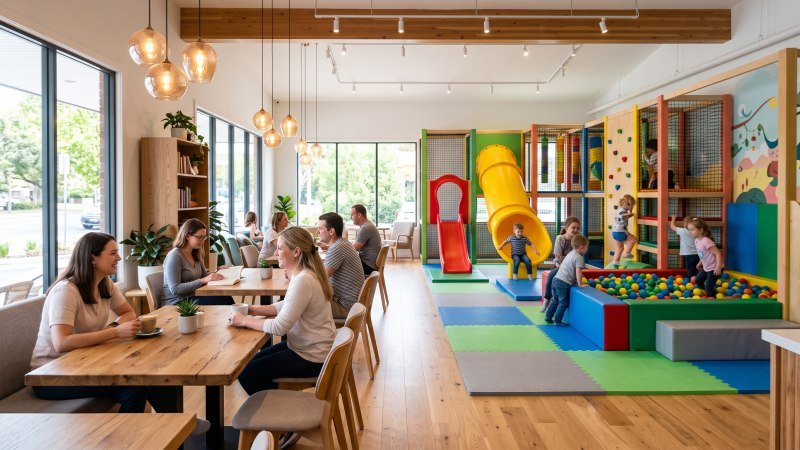
Starting a successful play cafe requires carefully calculating initial startup costs, designing a safe layout with commercial-grade materials, securing local health and zoning permits, and building a profitable revenue model through tiered birthday packages and recurring memberships. More importantly, implementing strict daily sanitization protocols and an integrated online booking system ensures a hygienic, efficient environment that drives consistent family repeat business.
Calculating Your Startup Costs and Budget
What is the exact financial investment required to successfully launch an indoor play cafe?
Starting a play cafe generally requires an initial investment ranging from $80,000 to $150,000 for a standard 1,000 to 2,000 square foot location. This complete budget breaks down into three major financial categories: securing the commercial lease with upfront deposits, funding interior space renovations alongside professional playground installations, and purchasing commercial-grade espresso and seating equipment. Nail down this capital allocation early, and you’ll have enough cash flow to survive those early operational months.
Securing the Commercial Space and Initial Lease
Let’s start with the physical location. Finding the right commercial real estate is your largest fixed cost. Do you know how commercial leases actually work? Unlike renting a residential house, commercial leases often require much more upfront cash.
In the commercial world, retail spaces use a Triple Net (NNN) lease structure. That means on top of your base rent, you’re on the hook for a share of the building’s property taxes, insurance, and maintenance fees. For example, a standard 2,000-square-foot retail space might cost $25 per square foot annually. So, your base rent would be roughly $4,166 per month.
But here’s the catch: landlords usually demand a significant upfront deposit before handing over the keys. You typically need to pay the first month’s rent, the last month’s rent, and a security deposit. For a $4,166 monthly rent, you must prepare at least $12,500 in cash just to sign the lease document. In addition, landlords may require a letter of credit from your bank.
Estimating Renovation and Playground Installation Expenses
Once you have the keys, it’s time to build out the space. This step requires the largest portion of your overall budget. Initial renovation costs cover painting, upgrading restrooms for small children, and modifying electrical panels.
The main centerpiece of your business is the indoor playground structure itself. The cost of commercial soft play equipment varies significantly based on size and features. A customized, multi-level soft play frame typically costs between $30,000 and $60,000. Factor in professional installation crews, and you can expect to add another 15% to 20% to your total equipment bill.
Think of building a soft play grid as being similar to constructing an indoor laser tag arena framework. Both systems require precise spatial planning, heavy-duty steel framing, and strict adherence to structural engineering weight loads. Would you trust a weekend DIYer to weld a load-bearing structure for dozens of kids? Definitely not. Professional installers ensure every steel bolt and protective foam pad is locked tight.
Always confirm the exact technical specifications and physical dimensions with your equipment manufacturer before finalizing any purchase agreements. This simple check prevents costly delays and modifications if a structure ultimately does not fit your ceiling height.
Cafe Equipment and Furniture Investments
Now, let’s talk about the “cafe” side of your business. You need reliable, commercial-grade machinery to serve visiting parents quickly. Buying cheap residential equipment is a fast path to breakdowns and unhappy customers.
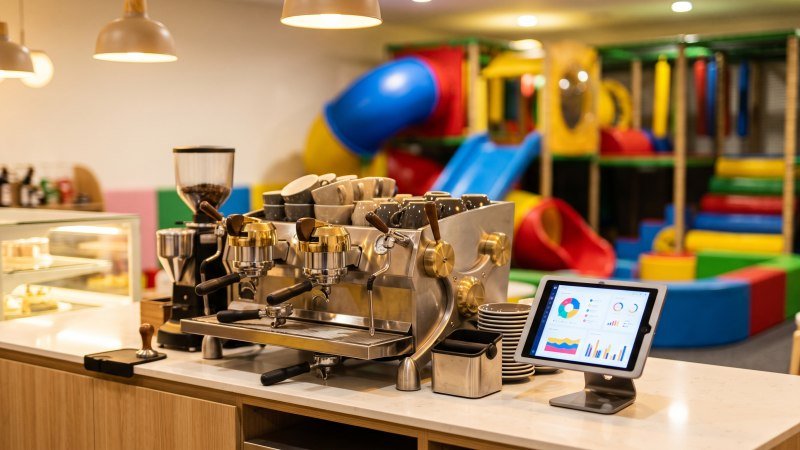
For instance, a high-volume commercial espresso machine is absolutely essential. Parents expect coffee shop quality. That means you need to invest in professional barista gear. Alongside the coffee machine, you also need commercial refrigeration, water filtration systems, and clean display cases for snacks.
Below is a realistic cost breakdown for basic, essential cafe equipment:
| Equipment Type | Estimated Cost Range | Primary Purpose |
|---|---|---|
| Commercial Espresso Machine (2-Group) | $6,000 – $12,000 | Brewing high-volume coffee drinks rapidly. |
| Commercial Coffee Grinder | $800 – $2,500 | Ensuring consistent espresso bean grinding. |
| Undercounter Refrigeration | $1,500 – $3,000 | Storing milk, cold beverages, and fresh snacks. |
| Point of Sale (POS) Hardware | $800 – $1,500 | Processing fast payments and printing receipts. |
| Parent Lounge Seating & Tables | $3,000 – $6,000 | Providing durable, wipeable furniture for adults. |
In addition to the machines, you must purchase seating and tables. All furniture must be highly durable and easy to wipe down. Commercial furniture costs more upfront but withstands heavy daily use. Bottom line: budgeting accurately for both kitchen equipment and dining furniture prevents unexpected cash shortages right before your grand opening day.
Designing the Layout for Safety and Flow
How do you design an indoor play space that maximizes child safety while ensuring smooth customer foot traffic?
An effective play cafe layout requires the physical segregation of age-specific play zones, unobstructed sightlines from adult seating areas, and commercial-grade impact-absorbing materials. Strategically mapping the customer journey from the entrance to the dining area prevents bottlenecks. Beyond that, sticking to spatial flow principles guarantees a secure environment that encourages longer visits and higher spending.
Separating Toddler and Big Kid Zones
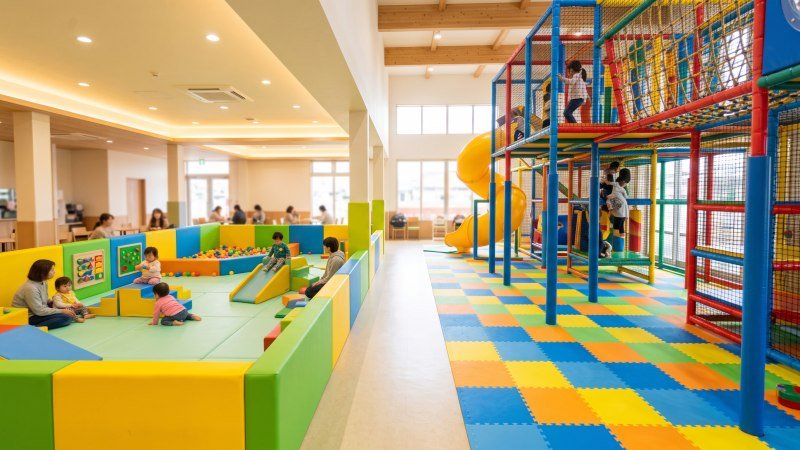
Toddlers and older children possess vastly different play dynamics and physical weights. Put simply, mixing a crawling one-year-old with a running seven-year-old inevitably leads to collisions. Because of this, physical separation of these age groups is absolutely mandatory for injury prevention.
Are you relying on simple floor tape to divide these areas? That is highly ineffective. Instead, you must install physical barriers. Half-walls, heavy-duty netting, or gated enclosures work best. This physical division is exactly like how a large trampoline park separates the intense dodgeball court from the junior jump arena. Both facilities must manage kinetic energy to keep smaller guests safe.
Industry standards often recommend keeping the toddler area closer to the cafe seating. This naturally allows parents to intervene quickly. In contrast, the large multi-level structure for older kids can sit further back. This specific placement successfully controls noise levels near the ordering counter. Even better, it naturally funnels high-energy foot traffic away from the main entrance.
Creating a Comfortable Parent Lounge Area
Children beg to visit, but parents hold the purchasing power. Let’s be brutally honest: if the adults are uncomfortable, they will leave quickly and never return. A successful parent lounge prioritizes one critical element: unobstructed sightlines.
Parents must be able to visually track their children from a seated position. If parents are constantly standing up to find their kids, your layout has failed. You should position bar-style seating directly facing the soft play structure. Additionally, utilize low-profile furniture in the center of the room. This prevents dangerous visual blind spots.
“A comfortable parent lounge directly increases the average dwell time, which naturally boosts food and beverage sales.”
To level up the space, integrate modern conveniences into the seating design. Provide ample electrical outlets for laptops. Ensure high-speed Wi-Fi is consistently available. When parents can comfortably work or relax, they allow their children to play longer. This directly benefits your daily revenue.
Choosing Commercial-Grade Flooring and Soft Play Materials
Flooring is not merely an aesthetic choice. It is a highly critical safety mechanism. You cannot use standard residential foam mats in a commercial facility. High foot traffic will destroy cheap materials within weeks. That’s exactly why you need to invest in high-density, commercial-grade surfacing.
Most play cafes utilize EVA (Ethylene-Vinyl Acetate) foam tiles or poured-in-place rubber. EVA foam provides excellent shock absorption for toddler areas. Meanwhile, soft play structures use heavy-duty PVC vinyl to cover structural foam.
Below is a comparison of standard commercial flooring options:
| Flooring Type | Primary Application | Key Benefit |
|---|---|---|
| High-Density EVA Foam | Toddler Zones & Open Play | Cost-effective and easily replaceable. |
| Poured-In-Place Rubber | High-Traffic Walkways | Extremely durable and slip-resistant. |
| Commercial Carpet Squares | Parent Lounge & Cafe | Reduces noise and handles spills well. |
When purchasing safety flooring, you must consider the specific fall height rating. Floor padding under a slide needs to be much thicker than padding in a flat crawl space. For instance, a 5-foot slide might require a specific 2-inch thickness of impact-absorbing foam. Because impact ratings differ across materials, consult your flooring provider to guarantee your selection meets the specific fall height compliance for your equipment.
One last critical detail: always spec anti-bacterial and fire-retardant materials. These specific features greatly protect your customers and keep your insurance premiums manageable.
Navigating Licenses, Permits, and Insurance
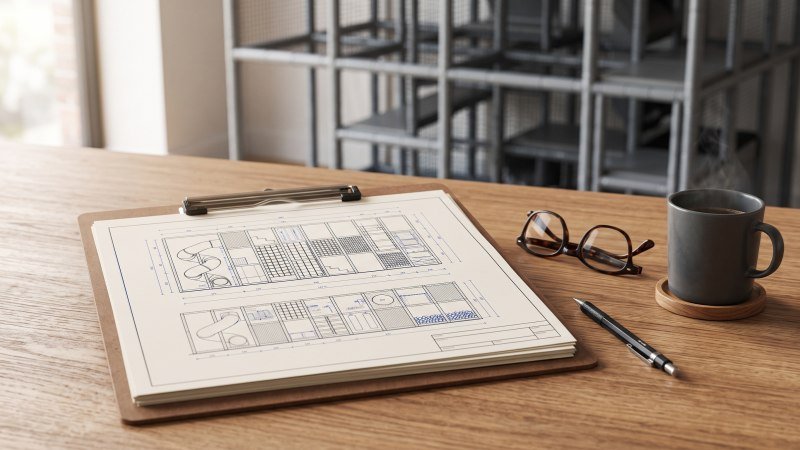
To legally operate an indoor play cafe, securing the right legal permits and specialized insurance is just as important as installing the playground itself. Owners must obtain a general business license, specific local zoning permits, and health department approvals for food service. On top of that, locking down commercial general liability insurance tailored specifically for indoor amusement centers is mandatory to protect against injury claims and property damage.
Meeting Local Zoning and Health Department Codes
Before signing a lease, you must guarantee the city allows your business type. This process involves local zoning laws. Can you open a play cafe in any retail strip mall? No, you cannot. Cities classify businesses into specific use categories. Because of this, you’ll need to pull a Certificate of Occupancy (CO) for indoor recreation.
Think of zoning approval like an indoor trampoline park getting clearance for a new facility. The city must verify that local roads and parking lots can handle the sudden increase in family traffic. For a play cafe, city planners look closely at parking availability. Most municipalities require a specific number of parking spaces. For example, they might demand one parking spot for every 200 square feet of space. Always verify the exact parking ratios and zoning requirements with your local building department early in the planning phase.
Passing Health Inspections
Don’t forget the local health department. Serving food requires strict oversight. Even if you only sell pre-packaged snacks and espresso, you still need a basic food service license. Inspectors will check your sinks, refrigerators, and grease traps. Make no mistake, passing these inspections is a hard stop before opening your doors.
Obtaining the Right Liability Coverage for Indoor Play
After getting your permits, you must buy insurance. This is not optional. Children will trip, fall, and bump into things. You absolutely need robust liability coverage.
Think a standard retail policy will cover a kid breaking an arm on a slide? Not a chance. Relying on a standard retail insurance policy for a play cafe is like using a standard restaurant policy for a roller skating rink. The physical liability risks are completely different. Instead, you need a specialized “Amusement and Recreation” policy. This specific policy covers slip-and-fall injuries on soft play equipment.
“Specialized amusement insurance is your final safety net against unpredictable physical accidents.”
Insurance companies will heavily scrutinize your play equipment. They want to see safety certificates. Keep in mind, your premium costs depend heavily on your facility’s size. Specialized liability premiums often range from $3,000 to $8,000 annually.
Here is a breakdown of the essential insurance policies you need:
| Insurance Type | Coverage Purpose | Why It Is Crucial |
|---|---|---|
| General Liability (Amusement) | Covers customer injuries inside the play area. | Protects against expensive injury lawsuits. |
| Commercial Property | Covers damage to your equipment and building. | Pays for repairs after fires or severe leaks. |
| Workers’ Compensation | Covers medical bills for injured employees. | Legally required in most states for your staff. |
Finally, your insurance provider will demand a solid liability waiver. Every parent must sign this document before their child enters the play zone. This simple waiver significantly reduces your legal risks.
Building a Profitable Revenue Model
Transforming a fun indoor playground into a financially sustainable business relies on a carefully balanced combination of recurring income, high-margin private events, and daily impulse purchases. The blueprint is straightforward: successful operators build baseline revenue through daily admissions and monthly memberships, significantly boost profit margins by hosting premium weekend birthday parties, and maximize the average transaction value through strategic food and beverage sales.
Structuring Daily Admission and Monthly Memberships
Your foundational income comes from open play sessions. Most play cafes charge a flat daily admission fee per child. Adults usually enter for free. However, relying solely on daily tickets creates unpredictable income. To fix that, you need a bulletproof monthly membership program.
Memberships provide guaranteed, recurring revenue. This stable cash flow helps cover your fixed monthly lease payments. Think of a play cafe membership like a family entertainment center’s (FEC) seasonal pass. Both programs encourage families to visit more frequently during slow weekday mornings.
Industry data suggests that successful play cafes aim to generate at least 20% of their total revenue from recurring memberships. To achieve this, you should price the monthly membership at roughly two to three times the cost of a single daily admission. Do the math: if a parent plans to visit three times a month, buying the membership becomes the obvious, cost-effective choice.
Designing High-Margin Birthday Party Packages
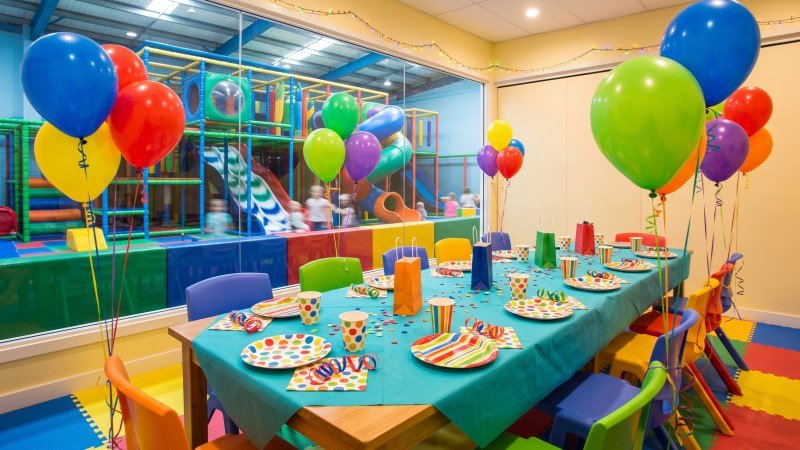
Weekend birthday parties are the true financial engine of your business. While weekday mornings rely on local toddlers, weekends bring large groups. Private event hosting offers the highest profit margins in the indoor amusement industry.
Hosting a private party in a play cafe is very similar to booking a private lane at a modern bowling alley. In both scenarios, you are renting out a dedicated, controlled space for a strict two-hour window. This efficient turnover allows you to stack multiple parties in a single day.
“A well-structured weekend party schedule can easily account for 40% to 50% of a play cafe’s gross annual revenue.”
If you want to maximize this income, you must offer tiered party packages. Provide a “Basic” package covering just the room and play access. Then, offer a “Premium” package that includes decorations, pizza, and a dedicated party host. The premium tiers require very little extra labor but command a much higher price tag.
Maximizing Food and Beverage Sales
Let’s look at your captive audience. When families stay for two hours, they will naturally get hungry and thirsty. This is exactly where your cafe counter becomes incredibly valuable. Food and beverage (F&B) sales capture additional revenue from customers who have already paid admission.
Focus heavily on high-margin items. Commercial espresso drinks are incredibly profitable. A latte costs very little to make but sells for a premium price to tired parents. Add in some high-markup, pre-packaged toddler snacks, and you’re set.
Here is a typical breakdown of how a balanced revenue model performs:
| Revenue Stream | Target Percentage of Total Income | Primary Profit Driver |
|---|---|---|
| Birthday Parties | 40% – 50% | High margins on tiered package upgrades. |
| Cafe Sales (F&B) | 20% – 30% | Low-cost espresso and premium snack markups. |
| Daily Admission | 15% – 20% | High volume of first-time weekend visitors. |
| Memberships | 15% – 20% | Predictable, recurring monthly credit card charges. |
By clearly separating these income streams, you protect your business from seasonal dips. If a severe winter storm limits daily walk-ins, your monthly memberships and pre-booked party deposits will still keep the business running smoothly.
Essential Daily Operations and Hygiene Standards
Running a safe and hygienic play cafe demands a relentless commitment to strict sanitization protocols, seamless digital check-ins, and highly trained customer service staff. Pair that with centralized booking systems and vigilant floor monitoring, and you ensure a premium, secure experience that builds trust and drives consistent family repeat business.
Implementing a Strict Cleaning and Sanitization Routine
Parents care about cleanliness above all else. If your facility appears dirty, they will never return. That means you need a non-negotiable, documented cleaning routine.
Maintaining a hygienic play cafe is just as critical as managing water quality at an indoor water park—both require constant, systematic treatment to prevent outbreaks. You cannot simply wipe down surfaces once a day. Instead, you need professional-grade sanitization equipment. Many successful operators use electrostatic sprayers. These devices evenly coat complex climbing structures with a fine mist of non-toxic disinfectant.
Most facilities utilize Hypochlorous Acid (HOCl) solutions. This specific chemical is highly effective against viruses but completely safe for toddlers. However, before applying any strong disinfectants, check the chemical compatibility and recommended dilution ratios with your soft play equipment manufacturer to avoid corroding the PVC vinyl coverings.
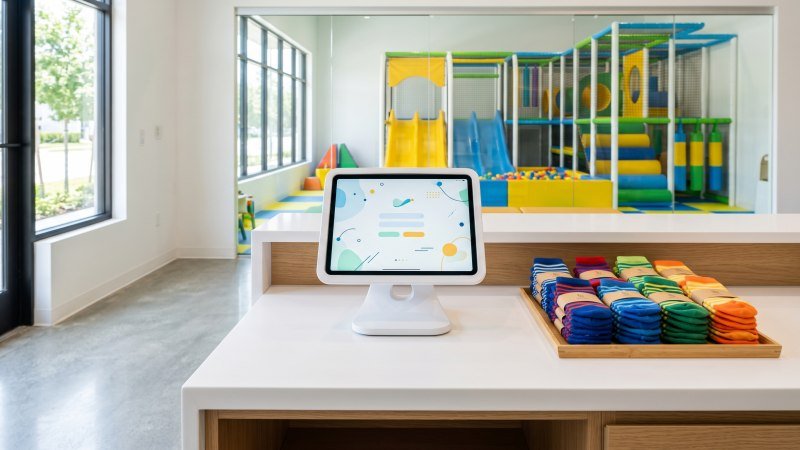
Here’s another non-negotiable: enforce a strict “socks-only” policy. Shoes track dangerous outdoor pathogens onto the play mats. Bare feet spread contagious skin infections. By mandating grip socks, you immediately elevate your baseline hygiene.
Here is a standard cleaning schedule used by successful indoor amusement centers:
| Frequency | Specific Cleaning Tasks | Primary Goal |
|---|---|---|
| Hourly | Wipe down high-touch areas (door handles, cafe tables, gates). | Prevent immediate cross-contamination during operating hours. |
| Daily (Closing) | Vacuum all mats, run the electrostatic sprayer, mop hard floors. | Reset the facility to a completely sterile baseline. |
| Weekly | Deep clean the ball pit machine, scrub restrooms, inspect foam pads. | Remove hidden debris and perform preventative maintenance. |
| Monthly | Professionally steam clean carpets, inspect HVAC air filters. | Maintain overall indoor air quality and facility freshness. |
Setting Up an Online Booking and Waiver System
Long lines at the front desk frustrate parents and create a chaotic atmosphere. You have to eliminate manual paper processes. You need dedicated facility management software.
Operating a modern play cafe without facility software is like running a multi-room escape venue with a paper notebook. It simply causes double bookings and lost revenue. Modern Family Entertainment Center (FEC) software, such as Roller or CenterEdge, automates your entire front desk. These platforms handle daily admissions, party deposits, and capacity tracking in one place.
Here’s the real game-changer: this software manages your digital waivers. As discussed previously, waivers protect your business. However, managing paper waivers is a logistical nightmare. Digital systems allow parents to sign the liability document on their smartphones before they even leave home. The software securely stores these documents in the cloud. As a result, when a returning customer arrives, the system instantly verifies their active waiver. This speeds up the check-in process from three minutes to less than thirty seconds.
Industry data shows that facilities offering integrated online booking capture up to 30% more weekend party reservations. Parents appreciate the convenience of booking a birthday package at midnight.
Staffing and Customer Service Best Practices
Your equipment might be beautiful, but your staff dictates the actual customer experience. Hiring the right team is absolutely crucial.
You generally need two distinct types of employees. First, you need friendly front-desk attendants and baristas. These individuals handle transactions, verify digital waivers, and craft espresso drinks quickly. Second, you need dedicated “floor monitors.” Floor monitors walk the play area continuously. They enforce safety rules, organize scattered toys, and assist parents.
However, you must make one policy extremely clear to your customers. Floor monitors are not babysitters. Parents must actively supervise their own children. The staff is there to maintain order, not to provide childcare. For instance, if a child runs up the slide the wrong way, the monitor politely redirects them.
Beyond daily tasks, you need to invest in professional training. Every single employee should possess valid First Aid and pediatric CPR certifications. Do you want to scramble during a medical emergency? Certainly not. Thoroughly trained staff project confidence. When parents see attentive, capable employees, they relax. This ultimately builds lasting trust and drives continuous repeat business.
Conclusion
Starting a play cafe is an exciting venture that requires careful planning, strict safety protocols, and a solid financial strategy. By prioritizing a well-designed space, securing the proper insurance, and establishing multiple profitable revenue streams, you lay the foundation for a sustainable family entertainment business. When you nail these fundamentals, a relentless focus on cleanliness, customer experience, and operational efficiency will set your facility apart from the competition. If you have any further questions about sourcing equipment or designing your layout, please do not hesitate to contact us!