-
Whatsapp: +86 15516933785
-
Email: hanlin@hanlinplayground.com
-
Address: Shangjie District, Zhengzhou City, Henan Province, China
-
Whatsapp: +86 15516933785
-
Email: hanlin@hanlinplayground.com
-
Address: Shangjie District, Zhengzhou City, Henan Province, China

How Much Does It Cost to Start an Indoor Playground?
Starting an indoor playground costs between $80,000 and $3,000,000+ USD globally, depending on your venue size, attraction mix, and the shape your commercial space is in. A small toddler play café can open for $80,000 to $250,000, a mid-size standalone playground usually runs $250,000 to $750,000, and a large family entertainment center (FEC) or franchise easily crosses $750,000 to $3,000,000+.
Here is the budgeting reality that catches most first-time operators off guard: the base play equipment itself only accounts for 35% to 50% of your total startup cost. The rest gets eaten up by international freight, installation, lease deposits, facility build-out, fire safety upgrades, non-play furnishings, pre-opening marketing, insurance, and working capital.
Indoor Playground Startup Costs by Size and Format
Your budget scales directly with floor area, ceiling height, and how complex your attractions are. Locking in your business format early saves you from wasting months touring spaces that are either too low-ceilinged for your equipment or way outside your capital range.
| Venue Format | Typical Size | Minimum Ceiling Height | Estimated Total Startup Cost (USD) |
| Small Play Café / Soft Play | 2,000–4,000 sq ft (185–370 sqm) | 10–12 ft (3.0–3.6 m) | $80,000–$250,000 |
| Mid-Size Standalone Playground | 5,000–10,000 sq ft (465–930 sqm) | 14–18 ft (4.3–5.5 m) | $250,000–$750,000 |
| Large FEC / Franchise Park | 10,000–35,000+ sq ft (930–3,250+ sqm) | 18–22+ ft (5.5–6.7+ m) | $750,000–$3,000,000+ |
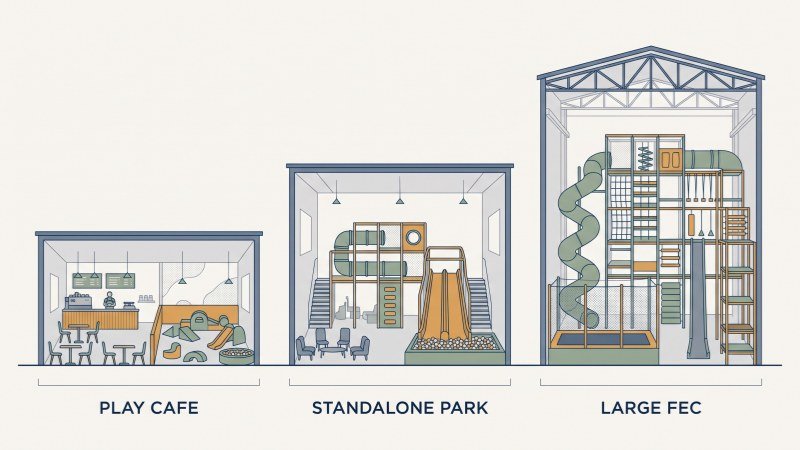
Small Play Cafés and Soft Play Areas (2,000–4,000 sq ft)
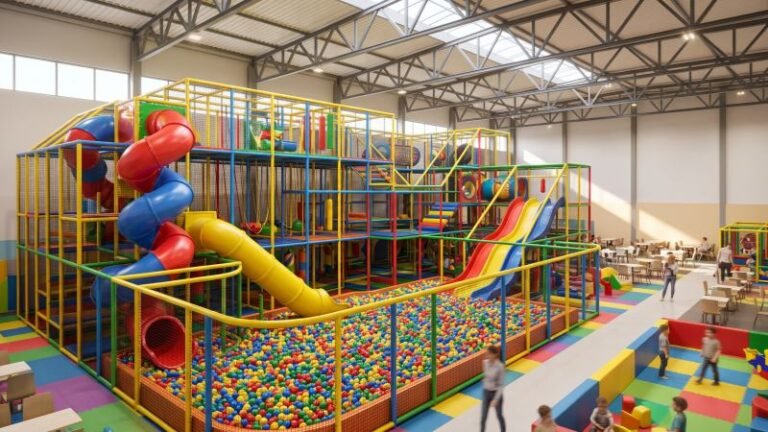
Play cafés and toddler soft play venues are the lowest-capital way into the indoor amusement market. Built mainly for kids aged 0 to 6, they pair low-height foam structures, ball pits, and role-play zones with a coffee bar and seating area where parents can actually relax.
Because you don’t need extreme ceiling heights or heavy structural steel anchoring, these concepts drop neatly into standard neighborhood retail units. Most operators at this scale spend $30,000 to $90,000 on play equipment, putting the rest toward café gear, light renovations, deposits, and initial operating reserves.
Mid-Size Standalone Indoor Playgrounds (5,000–10,000 sq ft)
If you’re an independent investor targeting a wider age range (ages 1 to 12), this is the most common sweet spot. These venues typically feature a multi-level modular play structure, a dedicated toddler zone, interactive projection games, slides, and 2 to 4 private birthday party rooms.
Equipment budgets here generally sit between $100,000 and $300,000. Whether your turnkey total lands closer to $250,000 or $750,000 comes down to the building: a unit with existing commercial-grade finishes keeps costs manageable, while heavy mechanical, electrical, and plumbing (MEP) work will push you straight to the top of that range.
Large Family Entertainment Centers and Franchises (10,000+ sq ft)
Large FECs, indoor inflatable parks, trampoline parks, and dry-slide parks are high-throughput destination venues, and their capital requirements reflect it. Specialty concepts like large-scale slide parks often require 22-foot (6.7-meter) clear ceiling heights and $1,500,000 to $3,000,000+ to get off the ground.
If you’re weighing an independent build against a franchise, look past the turnkey pitch and factor in brand costs. Franchise systems typically charge an upfront franchise fee of $40,000 to $60,000+, followed by ongoing royalties and mandatory marketing funds that commonly take 7% to 11% of gross revenue.
What Makes Up the Landed and Installed Cost of Indoor Playground Equipment?
If you build your budget off an ex-works (EXW) factory quote alone, you’re going to run out of cash long before opening day. Once you add international shipping, import duties, safety flooring, compliance documentation, and professional installation, your actual landed and installed cost usually runs 25% to 45% higher than the base equipment price—and even higher in markets with steep import tariffs.
Equipment Pricing by Attraction Type
Manufacturers typically price commercial play equipment per square meter (or square foot) of play footprint, adjusting for structure height, density of play events, and custom theming. Keep in mind that your active play footprint usually covers only 50% to 65% of your total leased floor area—the rest is needed for reception, parent seating, party rooms, restrooms, and walkways—so never multiply your total building square footage by the per-square-foot equipment rate.
| Attraction Type | Typical Factory Price Range (USD) | Key Cost Drivers |
| Toddler Soft Play & Role-Play Zones | $150–$300 / sqm ($14–$28 / sq ft) | Vinyl grade, foam density, custom wood/sensory panels |
| Multi-Level Modular Play Structures | $250–$500 / sqm ($23–$46 / sq ft) | Number of levels (2–4), slide types, netting, theme panels |
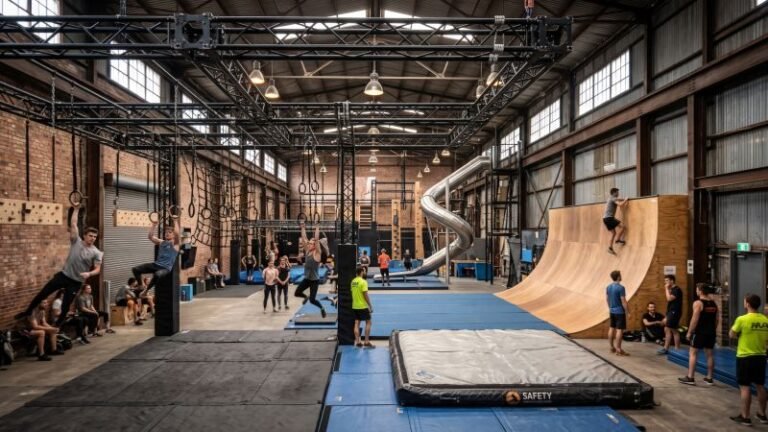
| Ninja Warrior & Ropes Courses | $350–$650 / sqm ($33–$60 / sq ft) | Heavy steel trusses, safety harnesses, timing systems |
| Trampoline & Dry Slide Attractions | $300–$600+ / sqm ($28–$56+ / sq ft) | Structural engineering, foam pits/airbags, specialty slide surfaces |
| Custom-Themed Flagship Builds | $500–$900+ / sqm ($46–$84+ / sq ft) | Sculpted fiberglass, custom paintwork, integrated LED/AV effects |
International Shipping, Tariffs, and Installation
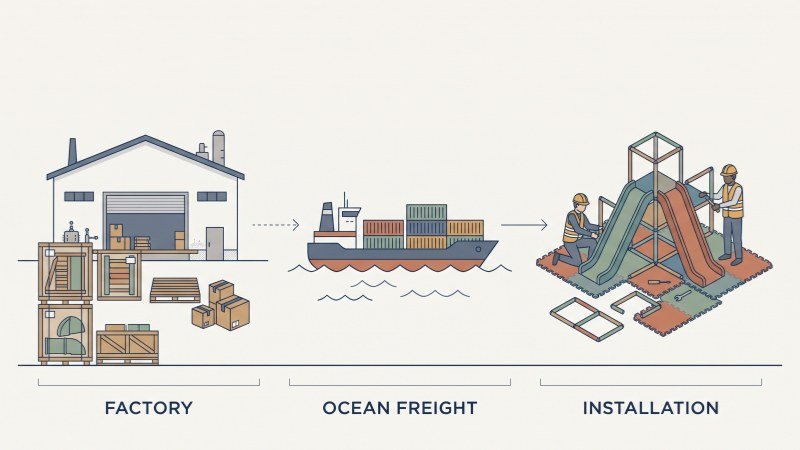
Most commercial playgrounds come out of major export hubs and travel in 20-foot or 40-foot high-cube shipping containers. Moving that gear across borders adds two distinct cost layers on top of the factory invoice:
- Freight, Customs, and Drayage (10%–20% of equipment value in most markets; 25%–45% in high-tariff markets like the U.S.): Covers ocean freight, marine transit insurance, port handling fees, import tariffs or VAT, customs brokerage, and local trucking from the port to your door.
- Professional Installation (10%–20% of equipment value): Multi-level structures aren’t a DIY job if you want them structurally sound and code-compliant. You’ll either fly in factory-dispatched technicians (covering their flights, visas, accommodation, and daily stipends) or hire certified local installation crews.
Safety Flooring and Certification Costs
You can’t bolt a commercial play structure straight onto bare concrete. Impact-attenuating safety flooring costs vary sharply by material and critical fall height requirements: standard high-density EVA interlock mats typically run $20 to $60 per square meter ($2 to $6 per square foot) for supply, whereas commercial-grade artificial turf with shock pads ($80–$160 / sqm or $8–$15 / sq ft) and poured-in-place rubber surfacing ($150–$300+ / sqm or $15–$30+ / sq ft) cost significantly more once installed.
Also make sure your equipment quote includes compliance engineering and test certificates for your region’s standards—such as ASTM F1918 (North America) or EN 1176 (Europe and many international markets) for soft-contained play structures, as well as dedicated standards for specialty attractions (like ASTM F2970 for trampoline parks or ASTM F2374 / EN 14960 for commercial inflatables). Before you open, many local jurisdictions and insurance underwriters will also require a post-installation sign-off from an independent third-party amusement or indoor play safety inspector (such as a NAARSO- or AIMS-certified inspector in North America, or an RPII-certified indoor inspector in the UK/Europe), which adds another $1,500 to $5,000.
Facility, Permit, and Pre-Opening Costs Beyond Equipment
Non-equipment costs usually swallow 50% to 65% of your total investment. Commercial lease deposits, interior build-out, change-of-use permits, fire safety upgrades, non-play furnishings, pre-opening marketing, liability insurance, and working capital all hit before you sell your first ticket.
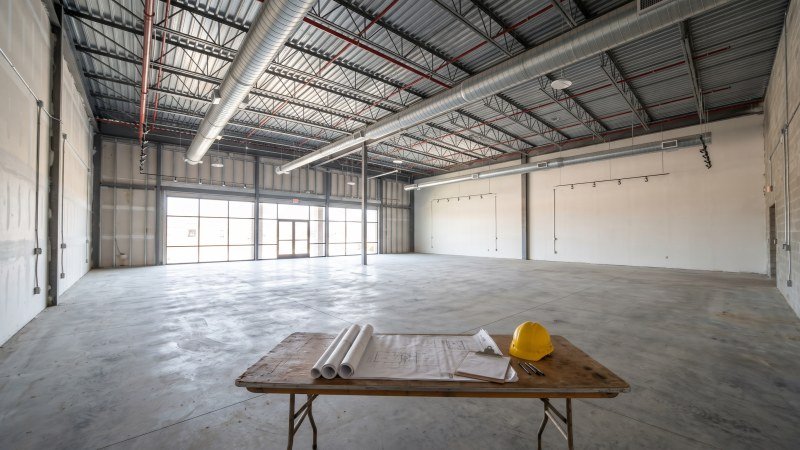
Commercial Lease Deposits, Space Build-Out, and FF&E
A lot of first-time operators look at the equipment quote and assume that’s the main project budget. In practice, a reliable industry rule of thumb is that your total turnkey cost will land at 2.0 to 3.0 times the base equipment price. A $150,000 base equipment package, for instance, typically takes $300,000 to $450,000 in total capital to actually open the doors once freight, installation, build-out, and reserves are factored in.
Real estate condition is what drives that spread. Stepping into a second-generation retail space that already has restrooms, HVAC, and electrical panels keeps you closer to 2.0x. Taking on a cold shell (bare concrete slab with stubbed utilities) sends construction costs climbing fast—and often adds 3 to 6 extra months of architectural design, permitting, and build-out time. In large-format venues, architectural design and interior build-out ($300,000 to $650,000+) routinely cost more than the play equipment itself.
Beyond construction, budget for:
- Lease Deposits: 2 to 4 months of rent set aside upfront for security deposits and pre-opening lease payments.
- FF&E and IT Systems: Reception counters, shoe cubbies, parent lounge seating, party room furniture, POS hardware, and a full-coverage HD CCTV security camera system (often required by insurers).
- Pre-Opening Marketing: Website development, local SEO, branding, signage, and launch ad campaigns, which typically run $5,000 to $30,000+ depending on market size.
Change of Use Permits and Fire Safety Upgrades
Signing a commercial lease or ordering custom equipment before checking local building codes is easily the most expensive mistake you can make in this business. Local authorities classify indoor playgrounds as high-density Assembly Occupancy, not standard retail or warehouse space.
Never sign a commercial lease until an architect or local code consultant confirms whether the building requires a Change of Use permit, additional emergency exits, or a fire sprinkler retrofit.
Converting an old warehouse or retail unit to Assembly Occupancy can trigger mandatory upgrades to fire sprinkler systems, fire alarms, HVAC fresh-air exchange rates, and ADA or accessible restroom ratios. Depending on the building’s age, fire suppression upgrades alone can hit you with $50,000 to $150,000+ in unplanned construction and months of permitting delays.
Liability Insurance and Working Capital
Commercial general liability insurance is a major fixed expense that swings widely by country, guest capacity, and attraction mix. Toddler soft play venues pay a fraction of what trampoline parks or high-speed slide facilities do. Always pull binding insurance quotes tied to your exact building address and attraction list before locking in your financial model.
Don’t fall into the trap of thinking digital or paper customer waivers wipe out your legal exposure. In most jurisdictions, parental liability waivers for minors aren’t an ironclad shield against negligence claims. Certified equipment, proper floor supervision, and solid insurance coverage are non-negotiable.
Finally, keep 3 to 6 months of operating expenses in reserve as working capital. Permitting bottlenecks, shipping delays, and a slower-than-expected opening ramp happen far more often than spreadsheets predict.
How Much Does It Cost to Operate an Indoor Playground Monthly?
Running an indoor playground generally costs $8,000 to $50,000+ per month—with compact play cafés at the lower end and mid-to-large venues starting around $15,000+—with rent, payroll, utilities, insurance, and maintenance taking the biggest bites. When you build your monthly OpEx forecast, account for every recurring bill:
- Base Rent plus NNN / Service Charges: In many commercial markets, Triple Net (NNN) or Common Area Maintenance (CAM) fees cover property taxes, building insurance, and shared upkeep. They routinely tack 20% to 40% onto the advertised base rent.
- Staffing and Payroll: Floor monitors, front-desk receptionists, party hosts, and sanitization staff. Labor hours jump sharply on weekends and school holidays.
- Utilities and Cleaning: High-capacity HVAC running hard all day to keep active kids and parents comfortable, plus commercial-grade daily sanitization supplies.
- Insurance and Software: Monthly liability insurance installments, POS and ticketing systems, digital waiver platforms, and online booking software.
- Maintenance and Lifecycle Replacement Reserves: Beyond routine repairs, equipment wears out. Commercial inflatable parks often face a practical service life of 2 to 5 years on high-traffic inflatable units—with heavy-wear sections sometimes needing major refurbishment or full replacement within 24 to 36 months to keep passing annual safety inspections. Steel-and-foam modular structures last much longer, but you’ll still be replacing safety netting, high-wear vinyl padding, and ball pit balls periodically.
4 Ways to Lower Startup Costs and Preserve Upfront Cash
You can trim 20% to 40% off your upfront capital requirements without cutting corners on safety if you’re smart about real estate, phasing, procurement, and financing:
- Lease a Second-Generation Space and Negotiate TI Allowances: Look for former retail stores, gyms, or entertainment spaces that already have commercial HVAC, fire sprinklers, and multi-stall restrooms in place. During lease negotiations, push the landlord for a Tenant Improvement (TI) allowance and a 3-to-6-month rent-free build-out period to protect your upfront cash.
- Launch in Modular Phases: You don’t have to fill 100% of your floor plan on day one. Install your core anchor structure and party rooms first, and leave clearly marked expansion zones. Once year-one cash flow steadies out, use operating profits to add higher-ticket draws like ninja courses, interactive walls, or climbing towers.
- Source Factory-Direct and Optimize Container Loads: Buying straight from a certified manufacturer cuts out distributor markups. Work with your supplier to consolidate safety flooring, spare parts, party furniture, and play structures into full container loads (FCL) so you aren’t paying to ship air.
- Use Equipment Financing and Tax Incentives to Protect Liquidity: While commercial equipment leasing or small-business loans don’t lower your total project cost due to interest, they dramatically reduce your upfront cash outlay so your working capital stays in the bank. Pairing financing with accelerated depreciation programs (like Section 179 in the United States or equivalent capital allowance schemes globally) can also significantly improve year-one tax efficiency.
How Long Does It Take to Reach Payback on an Indoor Playground?
While a well-marketed venue can reach monthly operating break-even within its first few months, full investment payback typically takes 18 to 36 months for well-run standalone indoor playgrounds, and 36 to 60 months for large-format FECs and franchises. Getting there faster has less to do with packing the house on Saturdays and more to do with how you diversify revenue and fill your off-peak hours.
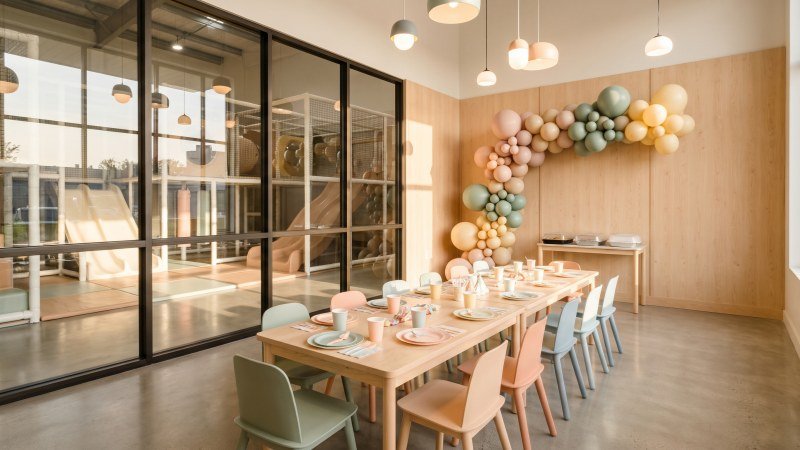
Revenue Streams for Indoor Playgrounds
Trying to survive on walk-in admission alone rarely leaves healthy margins. Profitable operators spread their income across four core streams:
- Birthday Parties and Private Events: Consistently your highest-margin earner, often bringing in 35% to 50% of total revenue through bundled room rentals, food, and guest passes.
- General Admission: Reliable weekend volume, usually priced per child for timed sessions or all-day play.
- Memberships and Multi-Visit Passes: Recurring monthly plans smooth out seasonal slumps and give you predictable baseline cash flow.
- Secondary Spend: On-site cafés (coffee and snacks for parents), mandatory grip socks, arcade redemption games, and branded merchandise.
Managing Weekday vs. Weekend Utilization
Saturday and Sunday afternoons usually take care of themselves. The real operational headache in this business is Tuesday morning. You’re packed on weekends, then sitting nearly empty during weekday school hours while rent, utilities, and baseline payroll keep ticking. On top of that, supervising adults usually get in free or for a nominal fee, meaning half the people on your floor aren’t paying admission.
The operators who hit payback fastest solve both problems head-on:
- Capture the Pre-School Market: Run discounted weekday toddler mornings, sensory play hours, or music-and-movement classes aimed at kids aged 0 to 4 who aren’t in school yet.
- Partner with Local Organizations: Book recurring weekday field trips with daycares, preschools, homeschool networks, and youth groups.
- Monetize Parent Dwell Time: Set up comfortable seating with clear sightlines to the play area and invest in a genuinely good coffee and snack program so non-paying adults still lift your average ticket value.
Putting Your Indoor Playground Budget Together
Opening an indoor playground on budget comes down to doing things in the right order. Before you get attached to a space or fall in love with a 3D equipment render, confirm local occupancy and fire codes before signing any lease, price out your true landed equipment cost, and build a financial model that doesn’t rely solely on weekend walk-ins to pay the bills.
If you’re evaluating a space and need a detailed floor plan, compliance guidance, or an itemized factory-direct equipment quotation tailored to your target budget, contact us to discuss your project specifications.